
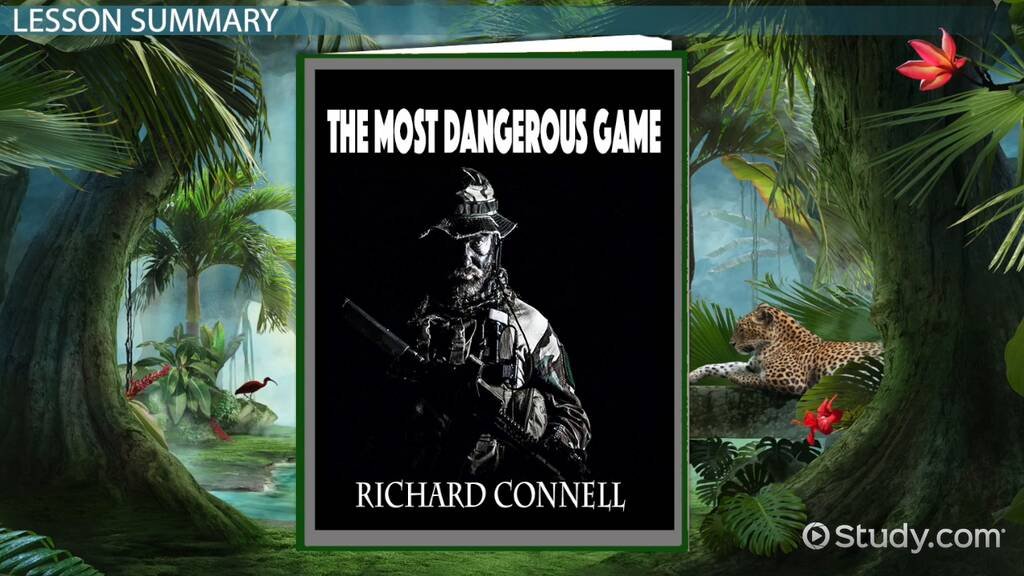
The mood of “The Most Dangerous Game” is primarily one of suspenseful dread, marked by increasing tension and a pervasive sense of danger.
Have you ever felt the hairs on your neck stand up while reading a story? The short story “The Most Dangerous Game” does exactly this. It crafts an atmosphere thick with unease and a looming threat that permeates every page.
Exploring what is the mood of the most dangerous game reveals a story that expertly uses elements of suspense and fear. The setting, a remote island, adds to the isolation and the sense of being trapped. The game itself generates a feeling of impending doom that keeps readers on edge.

What is the Mood of The Most Dangerous Game?
Let’s dive into the chilling atmosphere of “The Most Dangerous Game,” a story that’s not just about hunting, but about the dark side of human nature. The mood, or the overall feeling the story creates, is complex and shifts throughout the narrative. It’s not just one thing; it’s a blend of suspense, dread, and a touch of chilling excitement. Think of it like a rollercoaster, where you’re constantly going up and down, feeling different things all the way.
The Initial Feeling: Exotic and Relaxing
At the very beginning, the mood isn’t scary at all. When Rainsford is on the yacht, there’s a sense of adventure and a bit of a luxurious, care-free feeling. The setting is the warm Caribbean, and the characters are having a comfortable conversation about hunting. We get hints of Rainsford’s strong and confident personality. He seems to be in his element, a master of the hunt. The author uses descriptions that make you feel like you’re there, enjoying the sea breeze and the talk of far-off places. This initial mood creates a sense of ease which is important, because it makes the transition to the dark mood more impactful. It’s like the calm before a big storm, that is exactly what the author wants you to feel. The author want to bring you in a sense of safety in the start, so that when the real danger starts, it will make you more aware about the change in the mood and how dangerous the situation has become.
The Turn: The Island’s Mysterious Aura
The mood begins to change when Rainsford falls off the yacht and ends up on Ship-Trap Island. The descriptions shift from beautiful and vibrant to ominous and unsettling. There’s a sense of foreboding when he first encounters the dense jungle. We start feeling the isolation and danger. The author use phrases like “dark jungle,” and “weird noises” that make you feel like something is not right. This creates a mysterious aura around the island, and you can sense that there’s something scary about this place, the place is not an ordinary place. The name “Ship-Trap Island” itself sends shivers down your spine, as it’s clearly not a place where ships normally go and is not a tourist destination. The change in location creates a big shift in the story’s atmosphere. You go from enjoying a calm sea to the thick darkness of a mysterious island, and it’s a big shock to the mind, when the mood becomes dark and tense.
Rising Tension: The General’s House and the Hunt
Things really start to pick up when Rainsford meets General Zaroff. At first, Zaroff appears to be a sophisticated and welcoming host. He lives in a luxurious chateau that seems out of place on this creepy island. However, there’s an undercurrent of something sinister in Zaroff’s manners and his conversation with Rainsford. Zaroff’s calm, almost too-calm, demeanor contrasts with the tense situation that’s about to happen. The feeling of being trapped comes when Zaroff begins to explain his most dangerous game – hunting humans. This is the turning point of the story and the beginning of the real suspense. At that very instant, the initial mood of adventure turns into one of survival.
The Game Begins: A Race Against Time
Once the hunt starts, the story enters a phase of high suspense. The mood is now heavily charged with fear and desperation. Rainsford is no longer the hunter but the hunted. The readers follow Rainsford as he uses his experience to survive in a dense forest, with the constant danger of being discovered by Zaroff. The author creates the suspense by describing the chase, highlighting Rainsford’s constant anxiety and the feeling of being watched. Every rustle of leaves, every shadow, becomes a source of potential danger, and the reader feels that stress right along with Rainsford. The sense of fear is very prominent during this phase of the story, as Rainsford is always running or finding a place to hide. There’s a palpable sense of urgency because the hunt is a matter of life or death. The island becomes a vast stage for the dangerous game and the only rule is – survive.
Psychological Dread: The Real Horror
Beyond the physical danger, “The Most Dangerous Game” explores the psychological impact of being hunted. The mood takes a dark and twisted turn, highlighting the mental game between Rainsford and Zaroff. Rainsford experiences moments of intense terror and despair as he thinks about the hunter’s motives. He is no longer just afraid of being killed but also of what his hunter will do to him. This sense of psychological dread is a crucial part of the story’s overall mood. It shows how powerful and controlling Zaroff is. The game goes beyond just physical skill; it’s also about the mental strength and endurance of the participants. The feeling of being a prey becomes a nightmare for Rainsford and makes his fear more real.
Zaroff’s Cruelty: A Sense of Unease
The character of Zaroff contributes a lot to the unsettling mood of the story. He’s not just a hunter; he’s a predator with a disturbing enjoyment of human suffering. His calm and almost polite behavior when talking about hunting humans adds a layer of creepiness to the story. He treats humans like animals, and you get a sense of his coldness, which creates a very disturbing and chilling atmosphere. The author wants you to feel the uneasiness that comes from meeting someone who does not value human life. The mood is not only suspenseful, but it’s also very uncomfortable because of Zaroff’s evil character and his way of viewing humans. He’s the reason why the story has a mix of thriller, horror, and psychological dread. The readers feel very uneasy with the way he acts and his cruel nature. His character really changes the entire mood of the story.
The Final Showdown: Hope and Desperation
As the story nears the end, the mood becomes even more intense. The final confrontation between Rainsford and Zaroff is a mix of desperation and a little bit of hope. The reader feels a surge of hope as Rainsford begins to challenge Zaroff’s power in the game. This creates a dramatic shift from just trying to survive to actively fighting back. The chase turns into a battle of wits and physical strength as Rainsford uses his skills to set traps for Zaroff, changing the game entirely. This moment is the peak of suspense because we see Rainsford not just surviving, but fighting for his freedom. This builds up the tension and also bring a sense of hope for Rainsford. At the very end, when Rainsford defeats Zaroff, you feel a sense of relief mixed with the dark truth about the story and what he just had to go through.
A Summary of the Moods
To sum up, the mood of “The Most Dangerous Game” is not one simple feeling, but a complex mix of emotions that builds up slowly. Here is a quick rundown:
- Initial Calm: A relaxing and adventurous start, with a sense of ease.
- Mysterious Unease: The island sets a dark and foreboding atmosphere.
- Rising Suspense: The story builds tension as the dangerous game begins.
- Fear and Desperation: Rainsford is now the hunted, the mood is tense.
- Psychological Dread: The story explores the mental aspects of being hunted.
- Unease with Zaroff’s Cruelty: His evil behavior adds to the unsettling atmosphere.
- Hope and Final Confrontation: The last part of the story provides a mix of hope and danger.
The mood is just as important as the story itself. The changing mood makes “The Most Dangerous Game” so exciting to read. It takes the reader on a wild journey that is both scary and thrilling and makes them think about things beyond the page.
The story effectively uses the settings, characters, and plot events to create a very vivid and impactful reading experience. The shift in mood reflects the central ideas of the story about hunter vs. prey, civilization vs. savagery, and the nature of human instincts. It’s the mastery of shifting mood that makes “The Most Dangerous Game” not just an adventure story, but a story that sticks with you and make you think even after you finish reading it.
Mood in the Most Dangerous Game
Final Thoughts
The story’s mood is intensely suspenseful. Readers feel a constant sense of unease, driven by the cat-and-mouse game. This hunting dynamic creates palpable tension.
Fear is a must. Rainsford’s constant awareness of being hunted pervades the narrative. It makes the environment seem hostile and predatory.
The story ends with a chilling implication. The question of “what is the mood of the most dangerous game” always circles back to dread and a terrifying sense of hunter becomes the hunted.

