
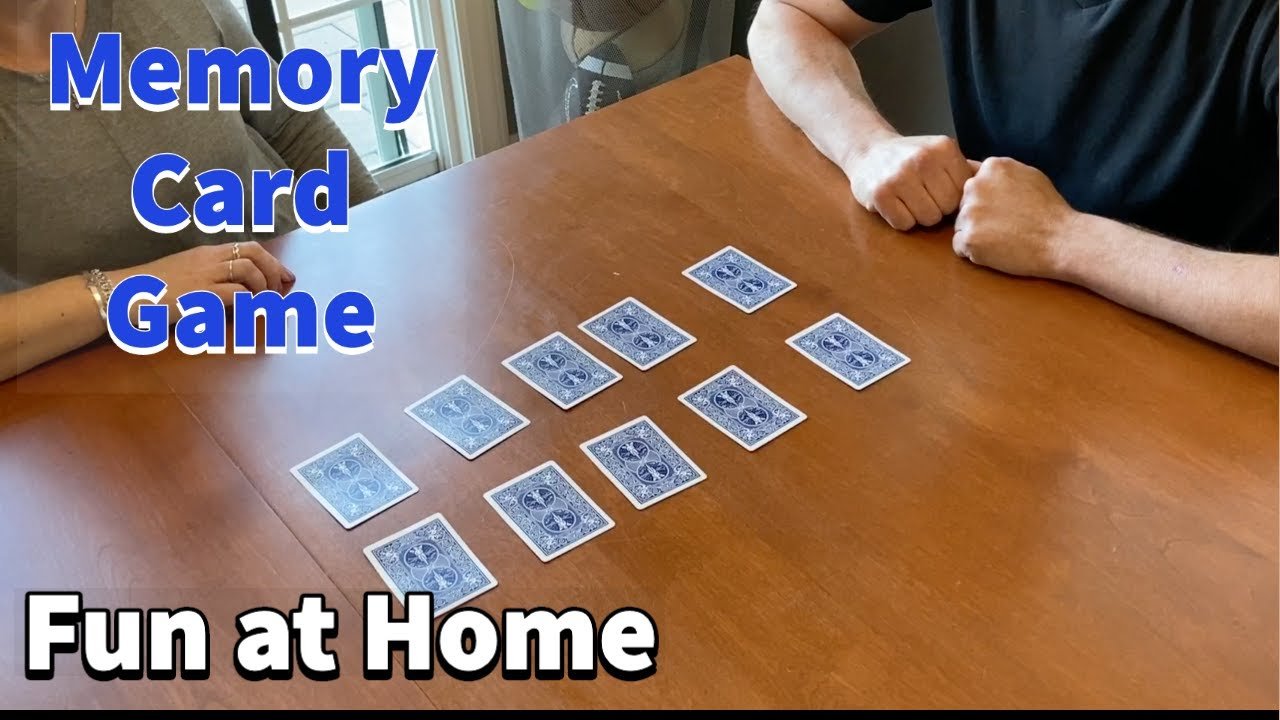
To play a memory game, you arrange matching pairs of cards face down, then take turns flipping two cards. If they match, keep them; if not, turn them back and try to remember their locations.
Ever wondered how to play a memory game and sharpen your focus? It’s a simple yet engaging activity, perfect for all ages. The basic idea involves matching pairs, which sounds easy enough, but it can be surprisingly challenging and fun.
The satisfaction of finding those matches is what makes it so popular, and you’ll quickly understand how to play a memory game once you get started. With a little practice, you’ll be surprising yourself with your ability to remember card locations.

How to Play a Memory Game: A Fun Guide
Memory games are not just a fun way to pass the time; they’re also fantastic for sharpening your mind! Whether you’re a kid or a grown-up, playing memory games can help improve your focus, concentration, and, of course, your memory! Let’s dive into the exciting world of memory games and explore different ways to play.
Understanding the Basics of a Memory Game
At its heart, a memory game is about finding matching pairs. The game usually involves a set of cards that are placed face down on a flat surface. Each card has a partner that is identical to it. The challenge lies in remembering the location of each card so you can find its matching pair. It might sound simple, but it can be surprisingly tricky – and that’s part of the fun!
The Classic Card Matching Game
This is probably the most well-known type of memory game. Here’s how it typically works:
- Preparation: Gather a set of cards, with two of each design (animals, shapes, colors, etc.) Usually, you’ll want to have between 20 and 50 cards in total – ten to twenty-five pairs. When first learning, start with a smaller number and gradually increase as you get better.
- Setting up: Mix the cards well and arrange them face down in a grid pattern. You could use rows and columns so that the placement is neat.
- Taking turns: The first player flips over two cards, showing everyone what they are.
- Finding a match: If the two cards are a match, the player keeps the pair and gets another turn.
- No match: If the two cards don’t match, the player flips them back over, and it’s the next player’s turn. The key here is to pay close attention to which cards are where.
- Winning the Game: The game continues until all matching pairs have been found. The player with the most pairs wins.
Don’t worry if you don’t win the first time. It takes practice and good concentration. The more you play, the better you’ll get!
Variations on the Classic Game
While the classic card matching game is great, there are many fun variations you can try:
Theme-Based Games
Make your game even more exciting by choosing cards that follow a specific theme. Here are some ideas:
- Animals: Use cards with different pictures of animals.
- Foods: Picture cards of fruits, vegetables, or yummy treats.
- Vehicles: Use cards with various cars, trucks, and planes.
- Holidays: Celebrate special occasions with cards that depict themes like Christmas, Halloween, or birthdays.
The possibilities are endless. You can tailor the game to your interest and your current learning focus. This can make learning fun and memorable.
Increasing the Challenge
Once you’ve mastered the basic game, you can increase the difficulty:
- More Cards: Add more pairs to the game. This makes it harder to remember where each card is.
- Similar Images: Use images that look very similar to each other. For instance, different types of flowers might be harder to differentiate than a picture of a cat and a dog.
- Timed Games: Introduce a timer to add pressure. This makes the game more competitive and helps you get quicker at memorizing.
Beyond Cards: Other Types of Memory Games
While card matching is popular, memory games come in different forms, adding variety and challenges to the fun.
Tray Memory Games
This is a great game to play with a group of friends or family. Here’s how it usually goes:
- Preparation: Gather a collection of small items like a pencil, a small toy, a spoon, or a rubber ball.
- Show the items: Arrange the items on a tray and let everyone look at them for about one minute.
- Cover the tray: Cover the tray with a cloth so that no one can see the items anymore.
- List the items: Everyone writes down as many items as they can remember.
- Check the lists: Remove the cover from the tray and check everyone’s lists.
- Winning the Game: The person who correctly remembers the most items wins.
This game helps you practice observing and remembering visual details.
Sound Matching Games
This is a fun way to use your ears for memory practice. Here’s how you could play it:
- Preparation: Find pairs of items that make different sounds – such as two cups, two bells, or two different musical instruments.
- Make a sound: Hide all the items from sight and then produce the sound of one of the items.
- Find the match: the aim is to find the matching sound.
- Winning the game: Continue to search for matches until all the pairs have been found.
Sound matching games are fun to play as they use a different sense – hearing – for the memory exercise.
Picture Memory Games
This one uses picture as visual cues. The objective is to memorise different images and recall them later. Here’s how it can be played:
- Preparation: Use a set of drawings or picture cards.
- Viewing time: Show the drawings or picture cards to the player(s). Let them look at them for 1-2 minutes.
- Recall: Take away the cards or drawings and ask them to recall as many details as they can.
- Matching: if you are playing with a set of cards, then the aim would be to find the matching pairs.
Tips to Improve Your Memory Game Skills
Playing memory games is fun, but it’s also a skill that you can improve with practice. Here are some strategies to help you get better:
Focus and Concentration
It’s easy to get distracted, but focusing is key in a memory game. Find a quiet place to play and try to keep your mind on the task. When you pick up a card and see what the image is, make an active effort to memorise it as well as its location. Try to minimise any interruptions to keep your mind on the game.
Using Visualisation
Visualising is a good memory technique. Try to create a mental picture of the card and its place on the playing surface. For example, if you see a card with a picture of a flower in the top-left position, picture a big, colorful flower blooming in that corner. Visualising will make it easier to recall later.
Pay Close Attention
It’s important to look carefully at every card you turn over, even if it’s not a match. Pay attention to details like the card’s color, the design, and its position on the table. Every little detail helps to build your visual memory.
Practice Regularly
Like any skill, the more you practice, the better you’ll become at memory games. Try to play at least a few rounds each day or a few times a week. Consistency will make a big difference to how good your memory becomes.
Start Simple and Then Increase Difficulty
Begin with a smaller set of cards and increase the number as you feel comfortable. It’s okay to feel challenged. Starting with too many cards too soon may be overwhelming. Gradually increasing the challenge will help you to build memory skills over time.
Engage with Different Types of Games
Try different variations of memory games to challenge different parts of your brain. This is because visual, auditory, and tactile games activate different parts of the brain, which is good for its overall development. For example, tray memory games enhance observational skills, while sound matching games sharpen your auditory memory.
Play with Others
Playing with friends or family makes the game more fun and engaging. They may also be able to teach you new techniques and also motivate you. The competitive spirit can push you to play better and help each other improve.
Why Memory Games Are Good for You
Besides being lots of fun, memory games are really good for your brain. Here are some of the benefits:
- Improve memory skills: Obviously, the best benefit is improving your memory. You become better at remembering details and recalling information.
- Increase focus and concentration: Memory games require focus. Over time, playing regularly will increase your attention span.
- Sharpen your mind: Memory games help to exercise your brain, keeping it sharp and alert.
- Boost cognitive function: Playing memory games regularly can help to keep your brain healthy and enhance cognitive function.
- Reduce stress: These games are not just beneficial for your brain but are also a good way to unwind and reduce stress.
Memory games are a fun way to challenge your brain. They are suitable for all ages, and it’s easy to tailor a game to suit your needs.
Memory games are a fantastic pastime and brain exercise that can enhance your focus, memory, and overall cognitive abilities. Whether you’re matching cards, remembering items on a tray, or playing a sound-based game, these activities provide valuable mental exercise. Start with the basic rules, practice often, and you’ll be on your way to becoming a memory game pro! Keep playing, keep learning, and most importantly, keep having fun.
How to Play Memory Card Game – Games For Fun and Distance Learning | Kids and Family | Fix and Play
Final Thoughts
To play a memory game, first, lay all the cards face down. Players then take turns flipping two cards at a time. If the cards match, the player keeps them and takes another turn.
If the cards do not match, they return to their face-down position. The goal is to remember the location of each card, and find all the pairs. Understanding how to play a memory game is very simple. The player with the most pairs at the end wins.

