
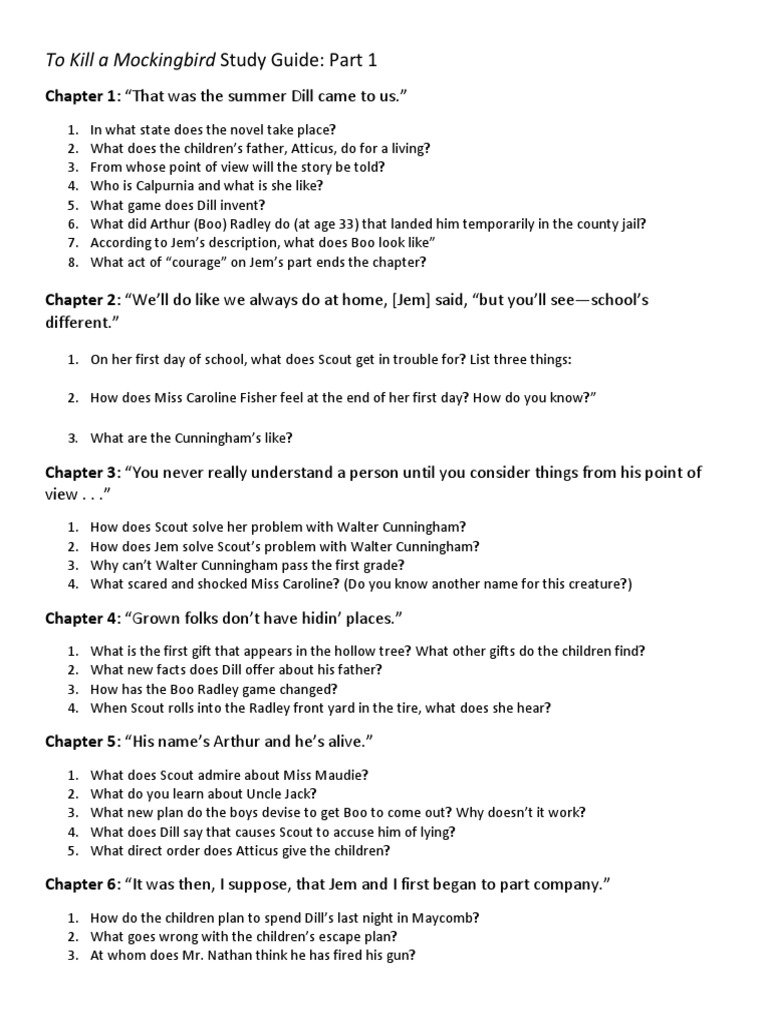
The Boo Radley game shifted from simple, childhood dares of approaching his house to more complex, imaginative play scenarios, often involving acting out stories about him rather than direct interaction.
Remember those childhood days, filled with innocent curiosity and a touch of fear? We all had that one mysterious house on the street, and for the kids in “To Kill a Mockingbird,” it was the Radley place. The innocent yet slightly cruel game they played centered around Boo Radley. But how has the Boo Radley game changed, if we were to reimagine it in today’s context? The playful dares of touching the house or leaving notes evolved in our imagination.

How Has the Boo Radley Game Changed?
Remember playing pretend as kids? Maybe you had imaginary friends or went on wild adventures in your backyard. In Harper Lee’s classic novel, To Kill a Mockingbird, the children, Scout, Jem, and Dill, had a special game – the Boo Radley game. It wasn’t just any game; it was about their mysterious neighbor, Arthur “Boo” Radley. Let’s explore how this game has changed, both in the book and in how we think about it now.
The Original Boo Radley Game: A Child’s Perspective
In the book, the Boo Radley game starts out as innocent fun, but it quickly becomes something more complex. At first, the kids are mostly curious and a little scared. They don’t know much about Boo, except that he’s a recluse who lives in the old, spooky Radley house. It’s like a big, unanswered question mark in their neighborhood. This mystery makes him fascinating and a little frightening.
Initial Curiosity and Imagination
The children’s game was primarily a product of their imagination. They created stories about Boo based on neighborhood rumors and their own fears. Their actions are driven by childlike curiosity and a desire to understand the unknown. They don’t mean any harm; they’re just trying to figure out this mysterious person.
- Role-Playing: Jem, Scout, and Dill act out dramatic scenes, pretending to be Boo and members of his family. They mimic the stories they’ve heard, often exaggerating details.
- Staging: They use props like old scissors, which they think represents Boo’s ability to harm others. This also represents their perception of Boo as a dangerous figure.
- Fear and Fascination: The children are both frightened and drawn to Boo. He’s a figure of the unknown, a character from whispered rumors. They are fascinated by the idea of a “monster” hidden in plain sight.
The Game’s Progression
As the story moves forward, the game evolves. It goes from playful imitation to more intrusive attempts to make Boo come out. They’re not just acting; they’re actively trying to get a reaction from him, not realizing that they are actually invading his privacy.
- Trying to See Boo: They attempt to peek into the Radley house, even going so far as to tap on windows. This shows their growing boldness and desperation to see the man himself.
- The Night Raid: They try to get a closer look at him during a late-night raid, ending with Jem losing his pants. This shows the risks they are willing to take and further cements their desire to solve the Boo Radley puzzle.
- The Evolving Narrative: The game reveals more about the children’s thought processes, how their fear and understanding of the world around them changes. They’re not just kids having fun, their actions are a reflection of the social issues, including prejudice and bias that are present in the story’s setting.
Changing Perspectives: Growing Up and Understanding
As Scout and Jem grow older, their view of the Boo Radley game—and Boo himself—undergoes a significant shift. Their childish fears start to fade, replaced by a greater awareness of Boo’s humanity. It is a journey from seeing Boo as a monster to seeing him as a vulnerable person.
Shifting from Fear to Empathy
The kids start to get a different point of view as the story continues. They begin to see Boo, not as a monster in the story, but as a person who has been hurt and isolated. Their understanding develops slowly as they experience more of the world. They begin to see the unfairness and prejudice of their community and also realize that Boo Radley might be a victim, not a villain.
- Boo’s Actions: When Boo leaves small gifts in the knothole of the tree, the children are intrigued, not frightened. They interpret these gestures as kind and recognize that someone is looking out for them. These actions, including saving Jem and Scout from Bob Ewell, change their whole view of him.
- Atticus’s Influence: Atticus’s teachings of tolerance and empathy play an important role in how the kids start to understand Boo. Atticus teaches them to see things from another person’s perspective and helps them consider the impact of their actions.
- Personal Experiences: Jem’s experience with the Radley house shows a crucial turning point. They feel scared, but also realize the impact of invading someone’s privacy and the possibility of someone else having different experiences than their own.
The End of the Game
By the end of the novel, the game ends, because the children have started to understand Boo and the world a little better. They learn more about the complex human nature and stop seeing Boo as a character from a scary story. The game wasn’t just a game; it was a way for the children to understand the world, and their actions have shown us how they see and understand Boo Radley.
- Loss of Curiosity: The mystery surrounding Boo loses its charm as they become more aware of real-world issues. They become less focused on their childhood curiosity, and more on their growth and understanding.
- Respect for Privacy: They learn to respect Boo’s privacy and stop trying to invade his space, recognizing his need for solitude.
- The Realization: They finally realize that Boo isn’t a monster, but he is a kind and vulnerable man who deserves their kindness and respect. The children understand that Boo is just a regular human being and is not a character from a scary story.
The Boo Radley Game Today: Modern Interpretations
Today, the Boo Radley game still matters, though we see it in a new light. It has moved away from simple play and becomes a symbol of how society judges others. It shows how easy it is to misunderstand someone and how we must approach others with more empathy.
A Lesson in Empathy and Perspective
The story is a great example of why it is important to see the world from different points of view. The children’s early actions show a lack of empathy, driven by gossip and their own narrow views. But their journey is a powerful lesson in how growing up and listening to other people can help us to understand others better.
- Challenging Stereotypes: The Boo Radley game challenges us to think about how we form opinions about others. It tells us not to believe everything that we hear, and that it’s necessary to have a look at the situation and understand all the facts before we judge.
- Understanding Social Exclusion: Boo’s isolation shows us what it’s like to be left out from society, and how prejudices can hurt individuals. It raises awareness of how we treat people who are different from us, and the importance of being more compassionate and understanding.
- The Power of Kindness: The simple acts of kindness that Boo shows are very powerful. They change the children’s perspective, and highlight the importance of understanding over judgment. The story shows how important it is to offer a hand rather than a judging look.
The Game as a Literary Tool
In the literary world, the game is more than just a childish game; it’s a vital tool for storytelling. It allows the author to address bigger social themes such as prejudice, racism and empathy. The children’s interactions with Boo helps the readers see how the society’s treatment of others can be unfair, especially for those who are different.
- Symbolism of the Unknown: Boo Radley represents the unknown. He is an important literary device, used to explore different issues, including isolation and social prejudice.
- Reflection of Societal Issues: The game highlights the problems with prejudice and unfair treatment of people. The children’s actions reflects the way people judge those that they don’t understand.
- Character Development: The game helps develop the characters, especially Scout and Jem, and it shows how they grow from childhood innocence to a better understanding of the complex world around them.
Table: Changes in the Boo Radley Game
| Aspect | Initial Stage | Later Stage | Modern Interpretation |
|---|---|---|---|
| Motivation | Curiosity, fear, and imagination | Empathy, understanding, respect for privacy | Symbol of social prejudice, and a lesson in empathy |
| Actions | Role-playing, Staging, attempts to see Boo | Gifts from Boo, Respect of Boo’s privacy, recognizing Boo as a person | Understanding social exclusion, challenging stereotypes, promoting kindness |
| Perspective | Boo is a monster, an object of fear and mystery | Boo is a misunderstood person, a victim of circumstances | Boo is a symbol of the marginalized and the importance of compassion |
| Impact on Characters | Shapes their perception of the world, driven by childhood imagination | Facilitates their character growth, promotes understanding and empathy | Teaches the reader importance of empathy, challenges prejudices, shows value of human kindness |
The Boo Radley game has changed quite a lot, moving from a children’s game to a big lesson in empathy and understanding. This is not just a story; it’s a mirror reflecting on how we judge people, and how we should try to understand them better.
Same hair, same look… 🤫 #asheleyspam #fypシ #disney #bluey #conspiracy
Final Thoughts
The children initially viewed Boo Radley as a source of fear and entertainment, fueling their game. They actively created scenarios around him, filled with childish imagination and prejudice. This shifted as they gained more understanding of Boo’s isolation and vulnerability.
The game, once a cruel exercise, evolved into a symbol of their growing empathy and moral development. They learned to see beyond the rumors, recognizing Boo’s humanity. Thus, how has the boo radley game changed? It changed from a cruel game into a marker of their maturation, a must for their understanding of compassion.

