
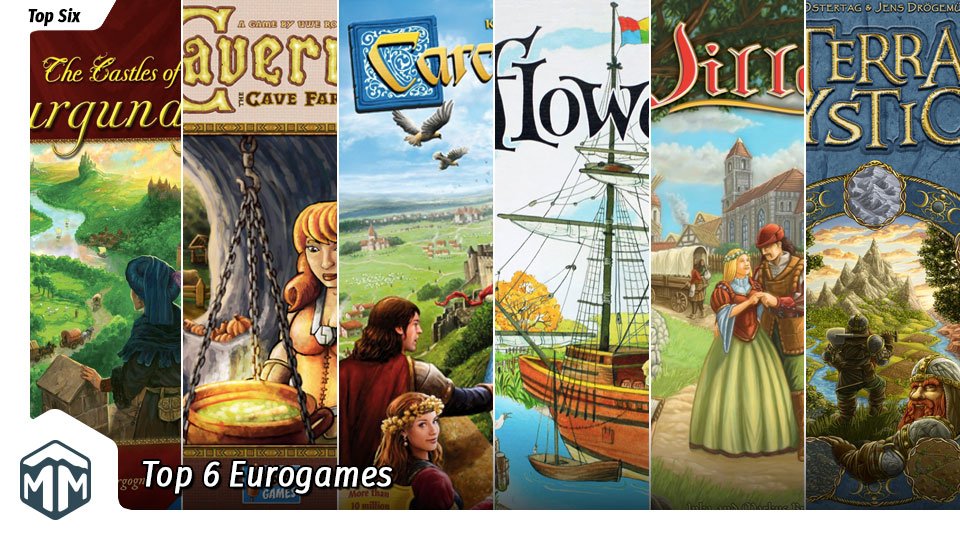
Euro games, also known as German-style board games, emphasize strategy and resource management over luck or direct conflict.
Have you ever wondered what are euro games? These games often feature mechanics like worker placement, set collection, and tile laying. Players usually earn victory points through careful planning and efficient use of resources. The focus leans towards clever gameplay and player interaction, not combat. Many find them incredibly rewarding because of the depth of strategy involved.

What Are Euro Games?
Imagine a board game where you’re not just rolling dice and moving around a track. Instead, you’re carefully planning your actions, building things, collecting resources, and maybe even making deals with other players. That’s the world of Euro games, also known as German-style board games. They’re a super popular type of game, and they’re different from the games most of us grew up with, like Monopoly or Candyland.
The Core Ideas Behind Euro Games
Euro games have a few key things that make them unique:
Low Player Elimination
Unlike some games where you can get knocked out early, Euro games usually keep everyone playing until the very end. This means you’re always involved and can keep trying different strategies. Instead of feeling like you’re “out,” you are always figuring out how to get more points. Nobody likes sitting around while everyone else is having fun!
Indirect Player Interaction
In many traditional games, you directly attack or take from other players. But Euro games usually have more indirect interactions. You might be competing for the same resources or trying to build your project faster, but you’re not normally taking each other’s stuff. It’s more like racing against each other than battling it out. This allows you to focus on your own plan, but also keep an eye on what others are doing.
Emphasis on Strategy and Planning
These games aren’t usually about luck. Instead, they encourage you to think ahead and make smart choices. You’ll need to decide what resources to collect, what to build, and when to do it. Strategic planning is often what leads to victory. It’s not about who rolls the highest number; it’s about who makes the smartest moves. You should focus on long-term strategy rather than relying on the luck of dice rolls.
Resource Management
Many Euro games revolve around managing resources. These resources can be anything from wood and wheat to gold and magic crystals. You’ll need to figure out how to get resources, what to spend them on, and how to keep things balanced. This adds an extra layer of thinking and makes every move feel important. Learning to balance what you have, what you need and the timing to get them can make all the difference.
Victory Points
In Euro games, winning isn’t always about being the last one standing. Instead, you usually win by collecting the most victory points. You can get these points in different ways depending on the game, like building cities, having the best collection of things, or scoring points at the end of the game. This adds a different aspect, sometimes the winner is not obvious until the very end.
Common Themes in Euro Games
Euro games often have interesting themes, but the themes are there to make the game more interesting, not to be the main focus of the game. Instead, the mechanics of the game are more important than the story.
Economic Development
A lot of Euro games involve building and growing your own little world. You might be in charge of a farm, a town, or even an entire civilization. You’ll need to gather resources, build structures, and make your economic engine grow. You’ll often be competing with others to see who can create the most effective and flourishing economy.
Tile Placement
Many Euro games use tiles to represent things like fields, roads, or buildings. You’ll need to strategically place the tiles to make your world grow and score points. This adds a spatial aspect to the game and requires you to think about how your tiles fit together. The challenge is in optimizing the tile layouts to achieve the best outcome.
Worker Placement
In some Euro games, you have a group of “workers” that you send out to do things for you. You might send them to a farm to gather resources, a market to buy goods, or a building site to construct something. There’s only a limited number of places where you can send them, so you have to think about what’s most important for your plan. Other players can block you if they get to the space first, making planning essential.
Set Collection
Some games have you collect sets of different kinds of things. You might try to get a collection of different colors or types of cards, or gather different kinds of resources. Collecting the right sets gives you bonus points, so you have to carefully consider what you’re trying to gather. It’s about identifying what sets to pursue and when to commit to them.
Examples of Popular Euro Games
Now that we’ve talked about what Euro games are, let’s look at a few popular examples:
Settlers of Catan
This is one of the most well-known Euro games. In Catan, you’re building settlements and roads on an island, and you’re also trading resources with other players. The goal is to be the first to reach a certain number of victory points. Catan is a great way to start playing Euro games, as it’s easy to learn but still has a lot of strategy involved.
Ticket to Ride
In Ticket to Ride, you collect train cards and use them to claim railway routes across a map. Each player is trying to complete their own secret goals, so you have to be smart about choosing the routes you select. It’s a great game for families and anyone who enjoys a little planning and route building.
Carcassonne
This is a tile-laying game where you’re building a landscape of cities, roads, monasteries and fields. As the game goes on, you place tiles to expand the map. You also place your followers (meeples) on the map to gain points. Carcassonne is known for its simple rules and strategic gameplay and encourages strategic spatial planning.
Puerto Rico
In this game, you are building a plantation economy in colonial Puerto Rico. Players choose roles, gather resources, plant crops, build buildings, and ship goods for points. The role selection mechanism and how players act is a key part of the game. This classic Euro game is considered a bit more challenging because it has more elements and a higher level of strategic interaction.
Wingspan
In Wingspan, players collect and play bird cards to their personal wildlife reserves. Each bird offers benefits, making for unique game experience. It’s a great example of a modern Euro game that’s easy to get into but deep in strategy and replayability. The game is known for its high-quality art, and is a lighter strategy game, compared to Puerto Rico.
Why are Euro Games so Popular?
Euro games have become super popular for a bunch of good reasons. They offer a more thoughtful and engaging gaming experience, and here’s why people are drawn to them:
Engaging and Stimulating
Unlike some games that rely heavily on luck, Euro games provide a satisfying mental challenge. You feel like your decisions matter, and you’re always thinking about how to get the most points. The strategy involved makes every session feel like a unique puzzle to solve. Euro games are a great way to challenge yourself and develop your thinking skills.
Great for Strategic Thinkers
If you like games where planning is more important than luck, Euro games are for you. They’re designed for players who want to be strategic and figure out the best ways to win. If you like thinking ahead, anticipating the other player’s choices, and planning your next move, you will enjoy this type of game. These games reward careful thought and attention to detail.
Less Direct Conflict
Not everyone likes super competitive games where you directly attack each other. Euro games offer a gentler experience where you are working on your own plan but also influenced by the other players’ moves. You’re still competing, but it’s more like everyone is trying to build the best thing, rather than tearing each other down. This kind of interaction can make the game feel more relaxed and enjoyable.
Variety of Themes
Euro games come with all sorts of themes, from farming and trading to building cities and even saving endangered animals. There’s something for everyone. This means you can choose games that are interesting to you, which also makes the game more fun. The themes often add a unique flavor and context to the gameplay, making the experience more immersive.
Replayability
Many Euro games offer a lot of replayability because each game can feel different depending on the choices you make and the cards or tiles you get. The strategic depth and variable setup mean you’re often trying out new things. This means you can keep playing them again and again without getting bored and can still enjoy the game with each play.
Great for Socializing
While you’re focusing on your strategy, there’s also plenty of opportunity to chat, laugh and have fun with friends or family while playing. Euro games are great for socializing, and bringing people together. Playing together can help you bond with people and create lasting memories. You are thinking and playing together, rather than sitting back and being passive.
Key Differences from Traditional American Games
Let’s look at how Euro games are different from traditional American games like Monopoly, Risk, or even classic card games:
| Feature | Euro Games | Traditional American Games |
|---|---|---|
| Player Elimination | Rarely, if ever, eliminate players. Everyone plays until the end. | Often eliminates players early on. |
| Player Interaction | Indirect interaction, such as competing for resources or space. | Direct player interaction, such as attacking or taking from others. |
| Luck vs. Strategy | Emphasis on strategy, planning, and thoughtful decision-making. | Often heavily reliant on luck, like dice rolls or card draws. |
| Game Length | Usually designed to finish within a set amount of time, often 1-2 hours. | Often can go on for extended amounts of time, with some games feeling like they last forever. |
| Themes | Often abstract or economic with interesting themes that add context. | Themes may be more focused on combat, war, or direct competition. |
| Victory Conditions | Usually achieved through collecting victory points, not always being the last one standing. | Often involves being the last player in the game or having a complete monopoly. |
As you can see, the focus is totally different! Euro games want you to think, plan, and build, while traditional games often want you to roll dice and hope for the best or try to get ahead of others by eliminating them.
Getting Started with Euro Games
If you’re new to Euro games and want to try them out, here are a few tips for getting started:
- Start with simpler games: Don’t go straight for the most complex game first. Begin with some of the beginner friendly games like Catan, Ticket to Ride, or Carcassonne.
- Read the rules carefully: Euro games often have more rules than traditional games, so make sure you read them well before you start. If needed watch a how-to video about the game.
- Watch videos: Often times people enjoy watching videos about how to play a board game before trying to learn them themselves. Sometimes seeing others play a game, helps to better explain how it works.
- Play with experienced players: If you can, play your first few games with people who already know how to play. They can help teach you and give you tips.
- Don’t get discouraged: Euro games can take some time to learn. If your first game is tough, try again. You’ll get better as you play.
- Explore different games: There are so many different Euro games to try! Once you feel comfortable with the basic style, look for games that have themes or mechanics that you find interesting.
The world of Euro games is vast and exciting. These games offer a unique and engaging experience that rewards strategic thinking and planning. Whether you’re a seasoned gamer or just starting out, there’s a Euro game out there for you. So, gather your friends, find a game that looks fun, and get ready to think, plan, and compete in the world of Euro games!
So if you’re tired of the same old roll-the-dice, move-around-the-board style of games, then dive into the world of Euro games. They may surprise you with how strategic, challenging and fun they are!
The Eurogame REVOLUTION | Board Games Explained
Final Thoughts
Euro games prioritize strategy and minimal luck. Players focus on resource management and engine building. These games often feature indirect player interaction.
These designs typically favor elegant mechanics. They commonly involve point scoring through various methods. what are euro games? They emphasize planning and efficiency over direct conflict.

