
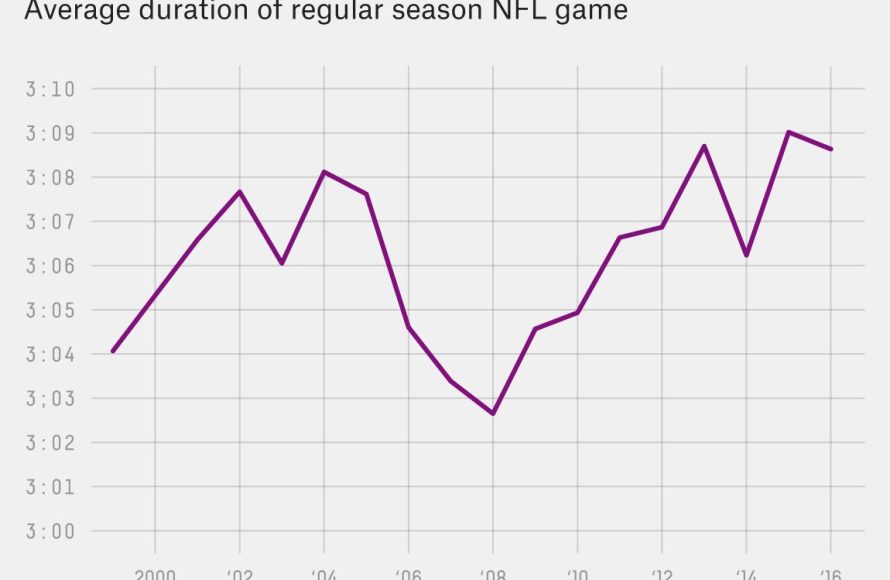
A typical NFL game lasts around three hours, but can vary depending on stoppages and overtime.
Ever wondered about the actual time commitment when settling in to watch a football game? Many factors influence how long a NFL game goes. Clock management, penalties, and injuries all play a part, which can make the game time unpredictable.
It’s not just the 60 minutes of playing time on the clock that determines how long a NFL game really takes. Halftime and commercials also significantly contribute to the overall duration. This is why a game can often extend beyond the three hour mark.

How Long Is an NFL Game?
Ever wondered how long you’ll be glued to your screen or cheering in the stands when watching an NFL game? It’s a question many fans have, and the answer isn’t as simple as a single number. While the clock shows 60 minutes of play, the real time spent watching an NFL game is usually much longer. Let’s break down all the factors that contribute to the total duration.
The Basics: 60 Minutes of Playing Time
At its core, an NFL game is divided into four 15-minute quarters. So, you have 15 minutes of action, then a break, followed by another 15 minutes, and so on. This totals 60 minutes of actual play time. Think of it like four mini-games put together.
Halftime: The Big Break
Right in the middle of the action, after the second quarter, comes a significant break: halftime. This pause usually lasts about 12 to 15 minutes. Players head to the locker rooms to regroup, coaches discuss strategies, and fans often grab snacks or visit the restrooms. Halftime is a crucial part of the game’s rhythm, allowing everyone to recharge.
Timeouts: When the Clock Stops
Here’s where things get a bit more complicated. Both teams have the ability to call timeouts. These are short breaks, usually a minute or less, where the clock stops. Teams use timeouts to strategize, rest, or sometimes to try and ice the other team’s kicker before a field goal attempt. The number of timeouts used can vary widely in a game, adding to the overall length of the game.
How Timeouts Work
- Each team starts with three timeouts per half.
- Unused timeouts from the first half do not carry over to the second half.
- A team can’t call more than three timeouts in a half, no matter how many they might have at the start.
- If the game goes to overtime, each team gets an additional timeout.
These timeouts, though short, can really add up over the course of an NFL game.
Commercial Breaks: The Unavoidable Time Suck
One of the major factors contributing to the length of an NFL game is the presence of commercial breaks. These pauses, necessary for television broadcasts, can feel like an eternity for viewers. Each time there’s a change of possession or a timeout, you can expect a commercial break. These breaks vary in length, but together they are the greatest time consumer during a broadcast, especially on TV.
Factors That Increase Commercial Time
Several things can lead to more frequent and longer commercial breaks:
- Touchdowns and Extra Points: Each score usually leads to a commercial break.
- Injuries: If a player gets injured, play stops, and commercials air while they are being treated.
- Official Reviews: When officials review plays, time is often taken for a commercial break
- Change of possession: After one team turns over the ball, you can almost always expect a commercial.
- Two-minute warning: Toward the end of each half, there is a two-minute warning, which includes a commercial break
The Two-Minute Warning: A Clock-Stopping Moment
At the end of the second and fourth quarters, something called the two-minute warning occurs. When the clock gets to two minutes left in the quarter, it stops. This is a planned break, giving teams one last chance to make adjustments and plan plays. The two-minute warning is also used by the networks to get to a commercial break, naturally extending the game’s time.
Official Reviews: When Time Stands Still
Sometimes, a play is so close or controversial that the officials need to review it. This involves looking at replays and discussing the call. Official reviews can take a few minutes, and while they’re necessary to get the call right, they do make the game longer.
How Replay Reviews Work
- A coach can challenge a ruling on the field by throwing a red flag.
- The referees will then go to a monitor to review the play.
- If the coach was right, the play is corrected, and the team keeps the timeout.
- If the coach was wrong, the team loses a timeout.
- Certain plays are reviewed automatically, such as all scoring plays.
These reviews are an integral part of modern football, ensuring accuracy, but often contribute to game length.
Injuries: A Pause for Player Safety
Player safety is the most important thing during the game. If a player gets hurt, play stops immediately. Medical staff rush onto the field to assess the player, and this can take some time. Sometimes the player is quickly back in the game, and sometimes they need to be helped off the field. This pause, although it’s for a very good cause, adds to the overall game length. The television broadcast will show commercials during this time.
Overtime: When Games Go Extra
Sometimes, even after four quarters, the game is still tied. In the regular season, if the score is tied after the fourth quarter, the game goes into overtime. Overtime can extend the game significantly, adding another period for teams to try to win. In the playoffs, if the game is still tied after the overtime period, the game goes to more overtime periods until one team scores.
Overtime Rules
- Overtime lasts for 10 minutes.
- If the team that gets the ball first scores a touchdown, that team wins the game immediately.
- If the first team only scores a field goal, the other team will get an opportunity to score.
- If the other team scores a touchdown after the first team gets a field goal, the second team wins.
- If the first team scores a field goal and the other team also scores a field goal or doesn’t score at all, then the game proceeds with sudden death.
- If neither team scores, then the game is tied in the regular season.
- In the playoffs, the game will continue in overtime until one team scores.
The Total Time: How Long Does It Really Take?
So, with all the stops, starts, and commercial breaks, how long does an NFL game actually take? Most NFL games typically last for around three hours. However, some games can run much longer, especially if there are lots of injuries, reviews, or overtime. The extra time can stretch it out to 3.5 or even 4 hours.
Factors That Can Impact Game Length
Several things can affect how long a game lasts:
- High-scoring games: When teams score frequently, more breaks mean a longer game.
- Games with lots of penalties: Penalties can stop play and use up valuable time.
- Close games: Close games usually go to the end and have more timeouts.
- Games with a lot of injuries: The longer the injury, the longer the game.
- Games with replay reviews: A bunch of reviews can cause a lot of extra time.
- Games with overtime: Any overtime is extra time added on.
Why It Matters
Understanding how long an NFL game actually takes can help you plan your Sundays or any day games are played, whether it’s at home or in the stadium. Knowing the different factors that add time to the game will prepare you for the long watch. You’ll know it’s not just the 60 minutes on the clock you have to consider. Knowing this information ensures you don’t miss the final moments of an epic game or get caught without a snack supply for a long game. It helps you plan your schedule.
So, the next time you settle in to watch an NFL game, remember it’s more than just four quarters. It’s a whole event with timeouts, commercials, reviews, and so much more. It’s part of what makes watching an NFL game so special and exciting.
How long is an NFL game?
Final Thoughts
A standard NFL game typically lasts around three hours. This includes sixty minutes of play time, with breaks between quarters and halftime. The numerous stoppages, reviews, and commercials significantly add to the overall duration.
Knowing how long a NFL game takes helps plan your viewing schedule. Expect an average of three hours when settling in to watch football. This accounts for game clock stoppages and other essential breaks.

