
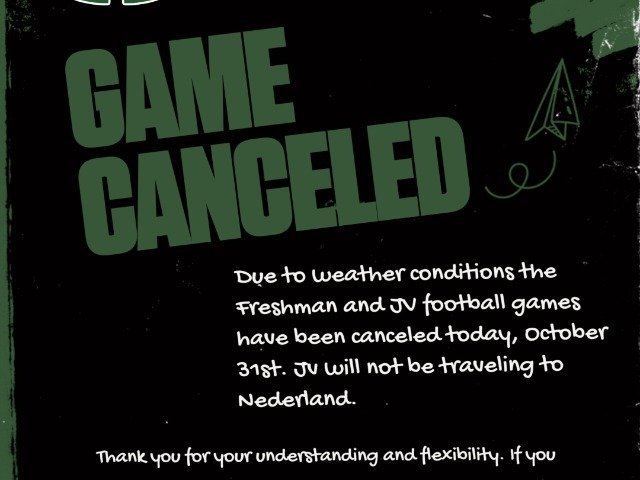
Freshman football games typically last around 1 hour and 30 minutes to 2 hours, including halftime.
So, you’re curious about the duration of games, specifically how long are freshman football games? It’s a common question for parents and fans alike. These games usually don’t run quite as long as a full varsity contest.
The clock does keep moving but with shorter quarter lengths. It contributes to the overall slightly reduced playtime. This can be crucial for understanding the schedule and planning your game days.

How Long Are Freshman Football Games?
Okay, so you’re curious about how long those freshman football games actually last? It’s a great question, and the answer isn’t always a simple one. Unlike professional or college football games, freshman games have their own set of rules and timings. Let’s break it down so you have a good idea of what to expect. We’ll explore the basics, the differences, the factors that influence game length, and even the types of breaks they take. This should clear up all the confusion!
Understanding the Basic Time Structure of a Freshman Game
First, let’s talk about the core structure of a freshman football game. The main thing to understand is that it’s different from what you might see on TV with the NFL or even in college games.
The Four Quarters
Freshman football games are typically divided into four quarters, just like professional games. However, each quarter is usually shorter.
While NFL quarters are 15 minutes long, high school varsity quarters are usually 12 minutes, and freshman quarters are shorter still.
A common length for freshman quarters is around 8 to 10 minutes. But, the game length is not fixed, the length of a quarter is decided on the basis of the league, state, or school board.
What Does This Mean for Total Game Time?
So, if a game has four 8-minute quarters, the total playing time would be 32 minutes. If each quarter is 10 minutes long, then the total playing time would be 40 minutes. However, this isn’t the whole story. Remember that the clock stops frequently in football. Let’s investigate more on this.
The Role of Clock Stoppages in Game Length
Even though the playing time is shorter than other levels, the clock doesn’t keep running constantly. Several things can make the clock stop, and these can actually add quite a bit of time to the overall length of the game.
Common Reasons for Clock Stoppages
Incomplete Passes: When a pass isn’t caught by a player, the clock stops.
Out of Bounds: If a player carrying the ball goes out of bounds, the clock stops.
Penalties: When a penalty occurs, the clock stops while the officials sort it out.
Timeouts: Each team gets a limited number of timeouts to use throughout the game.
Injuries: If a player gets hurt, the clock will stop so that they can be helped.
Change of Possession: When a team gains or loses possession of the ball (like after a punt, turnover, or touchdown), the clock stops, and this can happen multiple times in a single game.
How This Affects Game Duration
All these clock stoppages mean that a game with 32 or 40 minutes of actual playing time can easily last an hour, or even longer! The total time is quite unpredictable. It depends on the nature of the game, whether it’s fast-paced or slow-paced, or has a lot of penalties, injuries, or frequent turnovers.
Halftime and Other Breaks
Just like in other football games, freshman games have breaks to give the players some rest. These breaks are not always the same length. Let’s take a look.
Halftime
Halftime is a longer break that takes place after the second quarter, dividing the game into two halves.
The length of the halftime break is normally about 10-15 minutes, but it can vary.
It gives players a chance to rest, get some water, and strategize for the second half of the game.
Halftime also offers entertainment like the school marching bands or cheerleading performances.
Breaks Between Quarters
There are also short breaks between the first and second quarters, and between the third and fourth quarters.
These breaks are usually shorter, lasting around 1-2 minutes.
They provide a little time for the players to catch their breath and make quick adjustments.
Timeouts
Each team gets a set number of timeouts per half.
These timeouts typically are about one minute each and usually get utilized for strategic planning.
Factors Influencing the Game Length
As you can see, the actual length of a freshman football game isn’t always set in stone. Various factors can make the game longer or shorter.
Number of Penalties
If there are many penalties, the game will take longer to complete because officials need time to address them.
Penalties can result in clock stoppages for discussions, measurements, and moving the ball.
A game with lots of flags is often a longer game.
Number of Injuries
Injuries always cause a delay to the game clock.
If a player gets injured, it takes time to attend to them, and this can make the game take longer.
Serious injuries may need immediate medical attention that makes the game stoppage longer.
Number of Timeouts
If teams use many timeouts, it adds to the game’s total length.
Coaches may use timeouts to make last-minute strategies, and if both teams utilize their timeouts frequently, it can extend the duration of the match.
The Flow of the Game
A game with many touchdowns, turnovers, and fast plays can sometimes be longer because of frequent stoppages, or shorter if the game goes by without any breaks.
If a game has a lot of punts and is slow-paced, the overall time might be shorter.
The gameplay speed can significantly affect the total time.
League and School Rules
Different leagues and school districts might have specific guidelines about game lengths.
Some leagues could have shorter or longer quarters based on their rules.
It’s always a good idea to check with your school or league for their rules.
How Freshmen Games Compare to Other Football Games
It’s good to see how freshman games match up against other levels of football to truly understand their length.
Freshman vs. Varsity High School
Varsity high school games have longer quarters, typically 12 minutes per quarter.
Varsity games are more likely to have more clock stoppages as the stakes are generally higher, which makes for a longer game.
Varsity games also typically have larger crowds and more intense gameplay, also leading to longer matches.
Freshman vs. College Football
College football games feature 15-minute quarters, similar to the NFL.
College games also have frequent media timeouts that can increase the length.
There are a lot more breaks for television and other requirements which will make the total game time much more than a freshman game.
Freshman vs. NFL Football
NFL games also have 15-minute quarters with more breaks for advertisements.
NFL games are designed for television and may have time-outs that are more frequent and longer.
The professional level games can span for almost 3-4 hours in total due to frequent stoppages and longer breaks.
Why the Length Differences Matter
You might be wondering why there are all these differences in game lengths? There are actually several reasons for that.
Player Safety
Shorter quarters are used in freshman football to protect the players from fatigue and injury.
Younger players have less stamina than high school varsity or college players, so less playtime is important.
This allows the young athletes to develop their skills and fitness without pushing themselves beyond their limit.
Development of Skills
Freshman football is often seen as an educational opportunity for young players to learn the basics of the game.
Shorter games allow coaches to focus on teaching techniques, plays, and strategies.
It’s all about building a foundation for these athletes.
Practicality
School schedules sometimes necessitate shorter games so that they do not go too late and are convenient for everyone.
It can be difficult to have a super long game for the young athletes, especially when they also have school.
Shorter games help with scheduling and other practical concerns of the school.
A Quick Recap
Let’s summarize what we’ve learned about the length of freshman football games.
Freshman games have four quarters, typically 8-10 minutes each.
Clock stoppages for various reasons can add to the overall game time.
Halftime and breaks between quarters add to the total duration.
Various factors like penalties, injuries, and timeouts influence the total time of the game.
Freshman games are shorter compared to other levels of football for player safety and skill development.
So, while the official playing time might be shorter than other levels of football, the actual time you spend at a freshman game could be much longer. It’s all part of the game! It’s best to plan for a duration of at least 1.5 hours so you are not in a rush. Remember that the exact duration can change depending on the game. Enjoy watching the young athletes play!
In conclusion, while the official clock time of a freshman football game may seem short, the various stoppages and breaks can significantly extend the actual time spent at the game. It’s essential to consider all these factors when estimating the total length of a freshman football game, ensuring you don’t miss any crucial moments of play. It is advised to always check with the local athletic departments or coaches to get the accurate details of the game timing for a hassle-free experience.
When a Freshman gets to play on Varsity… 😱😳 #shorts
Final Thoughts
Freshman football games typically run shorter than varsity contests. They often have four quarters lasting 8 minutes each. This shorter length helps develop younger players.
The total playing time can be roughly 32 minutes, excluding breaks and timeouts. How long are freshman football games? The game clock doesn’t stop as often as higher level games.
So, expect a quicker pace and a condensed playing duration. These games usually don’t take as long, allowing players and families more time after the game ends.

