
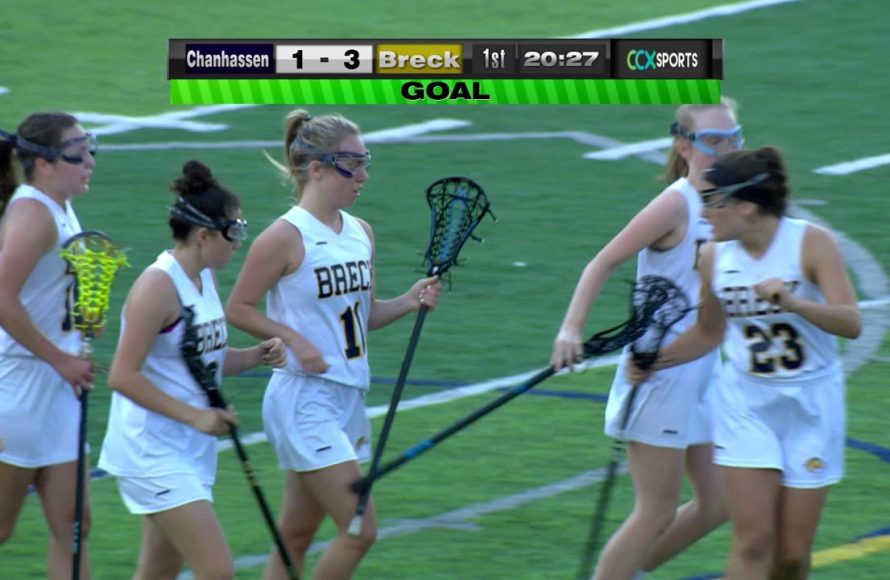
Girls lacrosse games typically last 50 minutes, divided into two 25-minute halves.
Ever wondered how long are girls lacrosse games? It’s a common question for new fans and players alike. The game clock ticks down with fast-paced action, making every minute count.
Knowing the duration helps you plan your game days. Unlike some sports with variable times, girls lacrosse has a set playing time. Understanding this will help players prepare.

How Long Are Girls Lacrosse Games?
Figuring out how long a girls lacrosse game lasts can sometimes feel like a puzzle. It’s not as straightforward as saying every game is exactly one hour long. The truth is, the length of a girls lacrosse game depends on a few things, mainly the age and skill level of the players and the rules of the league they’re playing in. So, let’s break down the details and get you all clued in!
Understanding Game Time: The Basics
Before we dive into specific time lengths, let’s cover some basic lacrosse timing concepts. A lacrosse game is divided into periods, kind of like how a soccer game has halves or a basketball game has quarters. However, in lacrosse, the length of these periods can change depending on the players’ age. There is also the running clock, which is pretty typical at younger levels, and the possibility of stopping the clock.
Running Clock vs. Stop Clock
One key thing to understand is whether a game uses a running clock or a stop clock.
- Running Clock: In a running clock situation, the clock keeps running even when the ball goes out of bounds or there’s a foul. This means the game time moves quickly, making for a faster-paced game overall. This is more common in younger age groups or recreation leagues to keep the game moving at a reasonable pace.
- Stop Clock: A stop clock means that the clock is stopped anytime the whistle blows, whether for a foul, the ball going out, a goal scored, or another stoppage in play. This makes the game time longer and can make the game last much longer than a game with a running clock. You will usually see a stop clock in high-level and high school play, as it adds time to the game, but it also ensures every minute is played.
The choice of running or stop clock significantly impacts the total duration of the game, this is the reason why the girls lacrosse games may vary on the timing.
Typical Game Lengths by Age Group
Now, let’s look at the typical time lengths based on age and league:
Youth Lacrosse (Elementary & Middle School)
Games for younger girls in elementary and middle school are generally shorter. This helps keep their attention, but also, it allows for more games. The game length here is generally less than higher-level leagues. Here’s a look at the typical game lengths:
- U8 (Under 8): These games are usually shorter, approximately 20-30 minutes. It’s all about fun and learning the basics. Often you will have two short 10 to 15-minute periods or one longer one.
- U10 (Under 10): Games typically last around 30-40 minutes, and often have two 15 or 20-minute halves with a small break in the middle. Usually, the game is played with a running clock, but some leagues may use a stop clock near the end if there is a close game.
- U12 (Under 12): Expect games around 40-50 minutes long, divided into two periods of 20 or 25 minutes with a short intermission. The games at this level still have a running clock, but some leagues may use a stop clock in the last 2 minutes of each half if it is a close game.
- U14 (Under 14): These games move closer to standard lengths, generally around 50-60 minutes with two 25- or 30-minute halves. This level is also usually using the running clock, with a stop clock toward the end, and is a great way to transition girls toward the longer game lengths.
High School Lacrosse
High school games are longer and have a structure more akin to what you’d see at the college or professional level. The game here becomes more serious, and the skills are much more advanced. Typically, high school games use a stop clock, although, a running clock may be used if the score difference is large to help speed up the game and keep it from being lopsided. Here’s how it looks:
- Standard Game Length: High school games are usually made up of two 25-minute halves. This results in a total game time of 50 minutes if the clock runs continuously, but if we stop the clock, this can add anywhere between 10 and 20 minutes to the total game time.
- Timeouts: Each team typically gets a few timeouts, and these can add to the game’s overall duration, especially when there is a stop clock. These timeouts are usually about a minute long and happen once per half for each team.
- Overtime: In a tie, there are typically sudden-death overtime periods of 3 minutes and then a golden goal, and these also add to the game’s time.
College Lacrosse
College women’s lacrosse games follow a more established pattern compared to youth or even high school, and the rules are generally more standard across the board. Usually, the games are divided into four quarters instead of two halves, and they use a stop clock with no exception. Here’s the breakdown:
- Quarters: College games are usually divided into four 15-minute quarters. This means that the total time for playing will be 60 minutes of clock time. However, it is important to remember the stop clock rules.
- Timeouts: Like high school games, each team gets a few timeouts per game, also adding to the overall duration. These timeouts are longer than high school timeouts and are typically 90 seconds.
- Overtime: Overtime periods are often the same as high school sudden death overtime, lasting three minutes with a golden goal determining the winner.
College games can take about two to two and a half hours to complete depending on stoppages and overtime.
Professional Lacrosse
While professional women’s lacrosse leagues are still growing, they generally follow similar rules to college games in terms of game time, or at least the quarter system is used. Here is what a professional game looks like:
- Quarters: Professional women’s lacrosse games are similar to college games with four quarters, usually 15 minutes long. This is also where we start to see the shot clock, which forces the team on offense to get a shot on the goal in 30 seconds.
- Timeouts: Like college games, professional teams have access to timeouts to use during the game.
- Overtime: Professional leagues generally also use sudden-death overtime with the game continuing until one team wins.
Professional games tend to take a little less time than college, averaging around two hours.
Factors Affecting Game Length
Besides age and league, other factors can impact the overall length of a girls lacrosse game. Understanding these can help you estimate how long you’ll be at the field:
Timeouts
Each team gets a certain number of timeouts per game. When a coach calls timeout, the clock stops, which extends the game’s duration. This time can add up over the course of a game, and can be a big factor for stop clock games.
Penalties and Fouls
When a foul is committed, play stops. Depending on the game level and rules, there may be penalties like free positions that need to be executed, or a player may have to sit out for a period. Each of these actions takes up time and slows the pace of the game.
Injuries
If a player gets injured, play pauses while they get attention. This necessary stoppage can also extend the total game time. Coaches also have a chance to talk to their teams during this time, and that adds even more time to the game.
Weather Conditions
Extreme weather conditions, such as thunderstorms, can cause delays or even the cancellation of games. This, of course, is not something that will have a big effect on regular game play, but it is good to know about.
Half-Time or Quarter Break
There will also be a break between halves or quarters, which could be anywhere from 5 minutes to 15 minutes depending on the level of play. This is often the biggest reason games will take much longer than the total play time.
How to Find the Exact Game Time
If you’re looking for the exact game time for a specific game, here are a few reliable ways to get that information:
- Check the League Website or Schedule: The official website or schedule for the league will often specify the game length rules and planned game times. This information can sometimes be on the team websites as well.
- Ask the Coach or Team Manager: The coach or team manager will often know the exact length of the game, and if they are using running or stop clock rules.
- Look at the Game Program: If you are at the game, the program will have the rules laid out and will have the game time, the stop clock rules, and how long halftime is.
Keep in mind, that these are estimates, and games may run over or under this time, but they should be fairly close. It is good to know, so you can plan your day around the game.
So there you have it! Game lengths in girls lacrosse are variable based on the age and skill level of the athletes, the specific rules of the league, and factors that stop the clock such as time outs, fouls, injuries, or weather. By understanding these different elements, you will know what to expect. You will also be able to plan your schedule so that you don’t miss any of the action!
Best of 2022 🔥🏆
Final Thoughts
The game length varies by level. Youth games are shorter, usually with two 20-minute halves. High school contests typically have two 25-minute halves. College and professional women’s lacrosse games feature two 30-minute halves.
Therefore, when asking ‘how long are girls lacrosse games’, remember the time varies. Knowing the level of play is essential to understanding game duration.

