
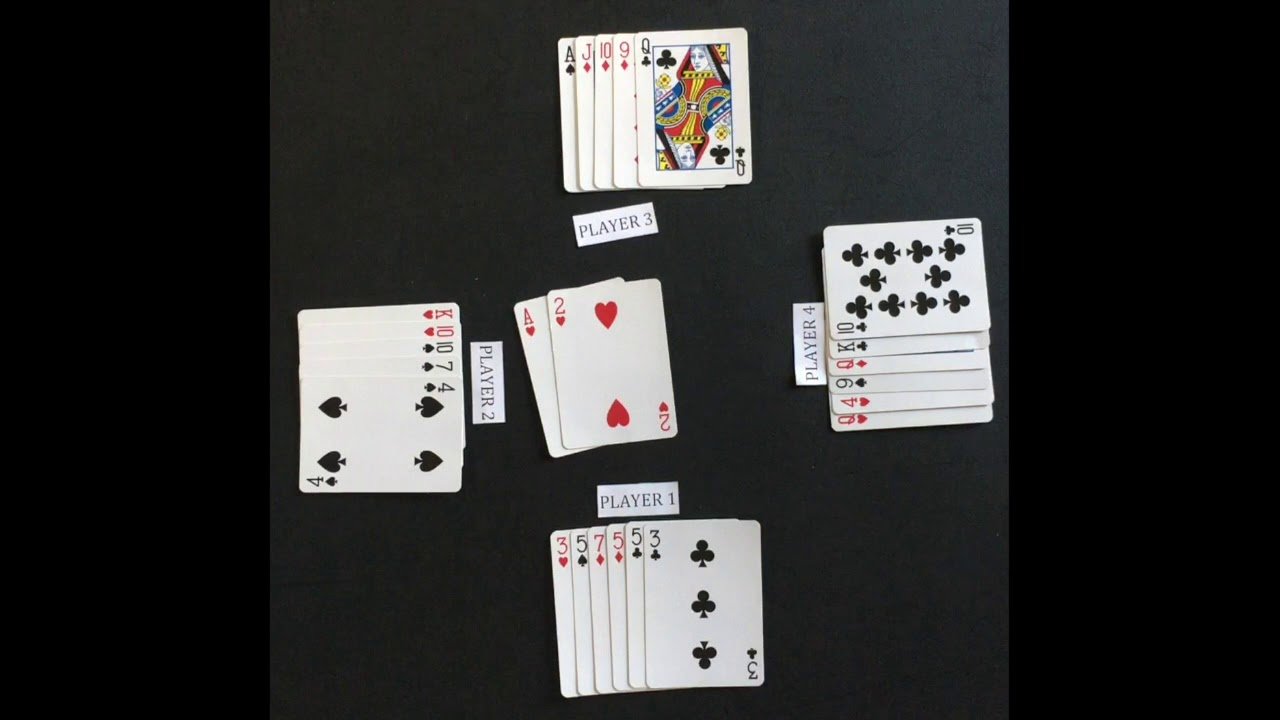
A trick-taking game is a card game where players play cards each round, and the highest card, or specified card, takes all the cards, forming a “trick”.
Have you ever shuffled a deck, dealt some cards, and wondered exactly what kind of game you’re about to play? Many games fall under the umbrella of trick-taking, but what is a trick-taking game exactly? They are a category of card games where you aim to win “tricks”.
Essentially, each round involves players laying down a card, following a specific order. Usually, the player with the highest-ranking card, often in the leading suit, wins the round and collects those cards which constitutes a trick. This might sound simple but offers many strategic possibilities.

What is a Trick-Taking Game?
Imagine a game where you play cards, and the best card wins a little pile called a “trick.” That’s basically what a trick-taking game is all about! It’s a type of card game, or sometimes even a game with other components, where players take turns playing cards from their hands. The goal isn’t always to get the highest cards overall but instead it revolves around how well you play each round (or trick) to achieve a specific objective. It’s like a mini-battle within the game, and those little battles add up to a big win or loss!
The Core Mechanics: Understanding the Trick
Let’s break down what a “trick” actually means. Think of it as a round of play. Here’s the basic idea:
- Leading the Way: One player starts the trick by playing a card face-up. This card establishes the “suit” for the round. It’s the card that sets the stage.
- Following Suit: The other players must then play a card, if they can, of the same suit that the first player laid down. It’s like following a specific rule of the trick.
- The Highest Card Wins: Once everyone has played a card, the person who played the highest card of the led suit collects all the played cards, which is the trick. That player then starts the next trick.
- If You Don’t Have It: What if you don’t have a card of the led suit? Then you can play any card. Often these are low value cards as they will not win the trick.
Sounds simple, right? Well, the beauty of trick-taking games lies in how these simple rules are combined with other game rules to create a variety of engaging and competitive games. The real fun comes from deciding which cards to play when, and planning ahead. You need to think about what cards you have, what cards others might have, and what you want to achieve by winning or losing a particular trick.
Why Are They Called “Trick-Taking”?
The name comes directly from the way the game is played. Each round of play is considered a “trick”, and players are competing to “take” these tricks, or collections of cards. It’s a literal description of the core action in the game. The number of tricks taken usually contributes to the player’s score.
Key Elements of a Trick-Taking Game
While the core mechanics are similar, trick-taking games have a lot of variety. Here are a few key things that make each game unique:
Suit Hierarchy
In most trick-taking games, the suits have equal value. However, sometimes, one suit is designated as “trump.”
- Trumps: Trump cards are special; they’re stronger than all other suits. If someone cannot follow suit, they can play a trump card to win the trick.
- Non-Trumps: Regular suit cards follow a numerical or rank order, with aces usually being the highest.
The existence of a trump suit adds an extra layer of strategy and makes the game more interesting.
Scoring Systems
How you score points is a big part of what makes each game distinct. Some games might award points simply for taking tricks, while others might focus on specific cards you collected within the tricks or specific numbers of tricks.
- Trick-Based Scoring: Points are awarded for how many tricks you win or don’t win.
- Card-Based Scoring: Points are awarded based on the specific cards that are collected in tricks.
- Combination Scoring: A game might use both, awarding for tricks and for certain cards.
Bidding or Contracts
Some trick-taking games involve bidding. This is where players make a guess, or bid, at how many tricks they think they can win before the round starts.
- Predictive Gameplay: Bidding adds a prediction element to the game, making it more thoughtful.
- Bonus for Successful Predictions: If you win the amount you bid, you get bonus points; but you can lose points if you are wrong.
Special Cards and Rules
Many trick-taking games have special cards with unique powers or effects. Some games might add extra rules to mix things up, making each game have its unique spin.
- Unique Card Effects: Some cards may have the ability to change the value of other cards or change the rules of the trick.
- Variable Game Dynamics: Special rules and cards can make each round unpredictable.
Examples of Popular Trick-Taking Games
There are many different trick-taking games out there, each with its own charm and set of rules. Here are a few popular ones:
Euchre
A classic trick-taking game played with a deck of 24 cards, Euchre is known for its fast pace and partnership play. The game features a trump suit that changes every round, and the ability to call trump and for trump to be called by another player. Euchre is a great example of how trump mechanics can add excitement.
Bridge
Bridge is a more complex game also played in pairs, with a bidding phase before the actual trick-taking. It’s famous for its in-depth strategy and the partnership between players. It’s a game where planning ahead and good communication with your partner is essential.
Hearts
A game where you try to avoid taking tricks with hearts, and especially the Queen of Spades. The game features a penalty for taking these cards and provides a great challenge in maneuvering through tricks to pass these bad cards off to other players.
Spades
In Spades, you are always playing with a trump, so it’s always possible to win the trick with the right card. Players bid on how many tricks they will take in each round. It is a game that really tests your skills of prediction.
Whist
A simple game, usually played with a full deck, where players try to take tricks. The goal is primarily just to win the most tricks, and not to take specific cards like Hearts. It’s a great introductory game to the world of trick-taking.
Why People Love Trick-Taking Games
So why are these games so popular?
- Strategy: They’re not just about luck. You need to think about which cards to play and when to play them. Planning ahead, considering the cards others hold, and calculating what other players might be thinking are great challenges, and very fun for those who like strategy.
- Social Interaction: Most trick-taking games can be played with friends and family. They provide a fun way to connect and have some friendly competition.
- Variety: There are so many different trick-taking games out there. You can always find a new one that fits your preferences.
- Quick to Learn, Complex to Master: The core rules are easy to pick up, but it takes practice to become a master at trick-taking. There is a satisfying challenge as you improve over time.
- Replayable: These games are generally not the same from game to game. No two games are ever the same, adding to their appeal.
Trick-Taking Games: Not Just for Card Players
While trick-taking games are most commonly played with cards, they are not limited to cards. Other games use trick-taking mechanics, sometimes in creative new ways.
- Board Game Integration: Some board games incorporate trick-taking elements into their gameplay.
- Unique Variations: These games show how the core mechanics of trick-taking can be adapted and applied in new and exciting ways.
Learning to Play
If you’re new to trick-taking games, don’t worry! The best way to learn is to jump right in and play a game. Start with a simple one like Whist or Hearts, and don’t be afraid to ask questions. With a little practice, you’ll be taking tricks and having fun in no time!
Learning a game like trick-taking can feel like a fun way to build strategic thinking. You need to pay attention, be patient, plan ahead, adapt to new situations, think about what others might do, and take calculated risks, all while having fun. These are all skills that can help you in your life outside of the game too!
The appeal of these games is in their simplicity and complexity. The basic rules are easy to understand, but the strategic possibilities are vast, and many people love diving into that vastness. It’s not just about luck; it’s about how well you can predict the flow of the game, understand the value of each trick, and play your cards strategically. It’s a perfect combination of skill and a bit of luck that keeps players coming back for more.
If you are looking for a game that is easy to pick up and can lead to endless strategic challenges, trick-taking games are definitely for you! Whether you are playing with friends, family, or in a more competitive setting, these games always provide a good time!
What is a Trick Taking Game?
Final Thoughts
A trick-taking game revolves around players taking turns playing cards. Players usually try to win “tricks,” comprised of cards played each round. The player with the highest value card, or a card of a certain suit, typically takes the trick.
The goal varies by game, but often is to win the most tricks or avoid winning specific tricks. Thus, what is a trick taking game is essentially a competition of strategic card play to capture rounds and meet the win conditions. Players use skill and sometimes luck to become champion.

