
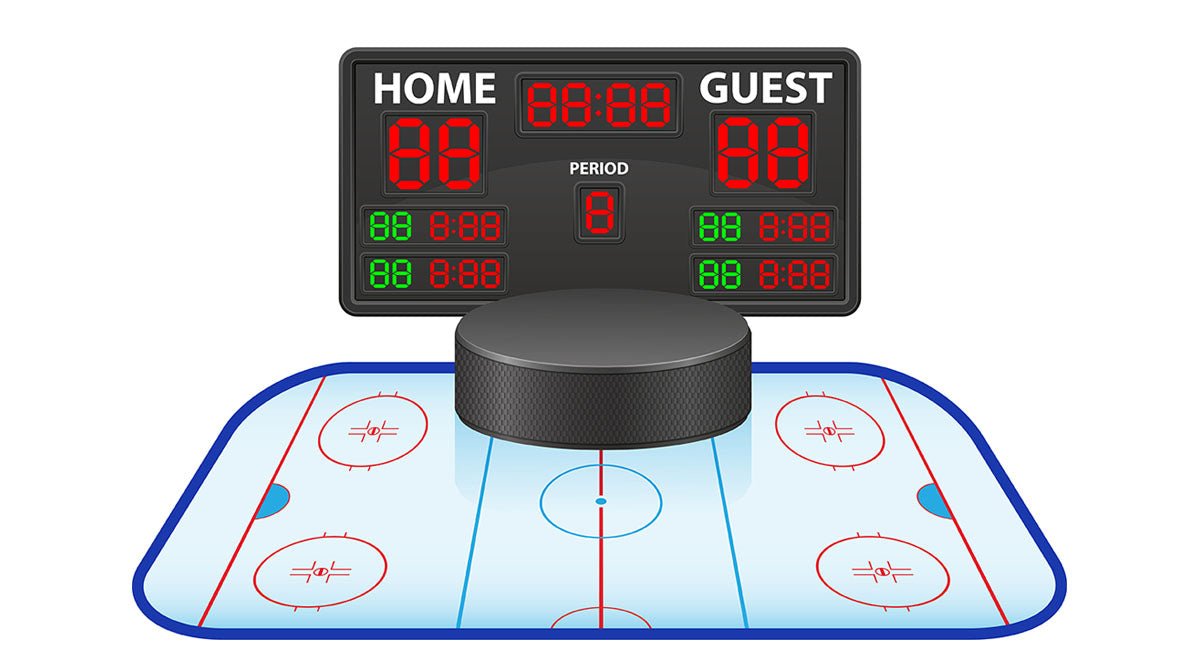
Typically, a professional hockey game lasts about 2.5 to 3 hours, including intermissions.
Ever wondered how much time you need to set aside to enjoy a hockey match? It’s a common question, because figuring out the schedule is essential for any fan. This guide will break down the game’s duration. So, let’s address a question many have: how long are hockey games typically?
Knowing the approximate time commitment allows for better planning. It helps ensure you don’t miss a single moment of the action. Game length includes the three periods and intermissions between them.

How Long Are Hockey Games Typically?
Okay, let’s talk about hockey! You know, that super exciting game with all the fast skating and cool goals? One question people often have is: how long are hockey games really? It’s not always as simple as just one number because there are different factors that can make a game longer or shorter. So, let’s dive into the details and explore what makes up the total time of a hockey game.
The Basics: Three Periods of Play
At its heart, a standard hockey game is divided into three main parts, called periods. Think of it like three different acts in a play. Each period is officially 20 minutes long, making for 60 minutes of playing time. This is often called the “regulation time” of the game. However, you’ll quickly see that the clock rarely runs continuously for those 20 minutes.
What Stops the Clock?
So, if each period is 20 minutes, why do hockey games seem longer? Well, the clock in hockey doesn’t run like a regular clock. It’s stopped a lot! Here are some common reasons why the clock stops during a game:
- Pucks Out of Play: If the puck goes out of the playing area, whether into the crowd, or hits the net behind the goal, the clock stops. This is a brief pause, but it adds up!
- Penalties: When a player does something against the rules, they get a penalty. The clock stops, and the penalized player has to sit in the penalty box.
- Goals: When a team scores a goal, there’s a short pause while the goal is announced and the players celebrate.
- Icing: If a player shoots the puck from behind their own side of center line all the way to the opposite goal line without being touched by other player, it’s called icing. The play stops for the faceoff.
- TV Timeouts: In professional hockey, especially games that are broadcast on TV, there are scheduled breaks so that broadcasters can show commercials. These are longer stops of the game, and they can really add to the game’s total length.
- Injuries: When a player gets hurt during a game, the game is stopped so that they can get the necessary medical attention.
- Coaches Challenges: Coaches sometimes ask the referees to check a goal, offside or something else on a play using video replay. This stops the game clock and can take some time.
Intermission Time
Between each of the three periods, there are intermissions. Intermissions are like short breaks in the action. These breaks help players to rest, talk about strategy, and use the bathroom. These intermissions are not included in the game clock of 60 minutes. Usually, the breaks between the first and second periods, and second and third periods, are 15-20 minutes long. So, even though there are only 60 minutes of actual playing time, the pauses during play and the two intermissions make for a total game time much longer.
How Long Does a Game Take, Really?
Taking all of that into account, the average total time for a hockey game, from the puck drop to the final buzzer, can vary. In most cases, you can expect it to be somewhere between two and a half to three hours. This includes all three periods, the intermissions, and the various stoppages that happen during gameplay.
League Variations and Game Length
While the basic structure of a hockey game—three 20-minute periods—is consistent across most leagues, the total time it takes can still vary slightly based on several factors, including the league rules and game context. For instance, games in some leagues might have slightly different rules regarding stoppages or intermissions, which can affect the overall game duration. Let’s explore some key league examples that demonstrate these variations.
National Hockey League (NHL)
The NHL, the premier professional league in North America, follows the standard three 20-minute periods structure. As mentioned previously, the constant stopping of the clock, coupled with the intermissions, tends to make NHL games typically last between two and a half and three hours. Television timeouts are a big factor here, they add to the total length of the game, which is why the games in the NHL takes longer. NHL games can also be longer if the game goes into overtime.
American Hockey League (AHL)
The AHL serves as the primary developmental league for the NHL. While following the same basic structure as the NHL with three 20-minute periods, AHL games may experience less frequent television timeouts. Therefore, a typical AHL game might slightly shorter than an NHL game, often running somewhere in the range of two hours and fifteen minutes to two hours and forty-five minutes.
International Hockey (IIHF)
International hockey, governed by the International Ice Hockey Federation (IIHF), features competitions such as the Olympics and World Championships. These games also consist of three 20-minute periods. Similar to the NHL, but with slightly fewer scheduled media timeouts, international games usually fall within the two-and-a-half to three-hour mark. However, these games can also go to overtime.
Junior Hockey
Junior leagues, like the Canadian Hockey League (CHL) which includes leagues like the Ontario Hockey League (OHL), Western Hockey League (WHL), and Quebec Major Junior Hockey League (QMJHL), also use three 20-minute periods. The game length can vary somewhat due to different rules or number of TV timeouts, but the game generally takes about the same time. The game will take about two and half hours long.
College Hockey (NCAA)
College hockey, governed by the National Collegiate Athletic Association (NCAA) in the United States, has its own rules and formats. The most noticeable difference is that college games can have three 20-minute periods, while they may have one 20 minutes period and two 15 minutes period, with one single intermission, and then a break before the last period. These changes usually make the total game time a little bit shorter than professional games, usually clocking in at two and quarter hours, depending on the number of stoppages.
Youth Hockey
In youth hockey leagues, game durations can be different. Often times they will use shorter periods to accommodate younger players’ stamina levels. The length of a period can range from 10 to 15 minutes for younger players, and 15 or 20 minutes for older youth players. This, of course, drastically cuts down on the total time that a game can take, depending on the number of periods played. In most cases, though, a game for young players may be between 90 minutes to 2 hours.
What About Overtime?
Sometimes, a game is still tied after the three periods are over. When that happens, the game goes into overtime! Overtime rules vary from league to league, but it’s all designed to get a winner. Here’s how it works:
- Regular Season Overtime:
In the NHL and many other leagues, if a game is tied at the end of regulation time, a five-minute overtime period is played with 3 or 4 players per side (rather than 5). If a team scores during overtime, they win the game. If no one scores in overtime in NHL during regular season, the game goes to a shootout, where players from each team take turns to go one on one with the goalie and try to score. The team with most goals during shootout, wins the game.
- Playoff Overtime:
In the playoffs, overtime is different. It’s usually played in full 20-minute periods until a goal is scored. This is also known as sudden death overtime. So, play continues until somebody wins! Playoff overtimes can be very exciting, but it makes the game longer. For instance, an NHL playoff game can go into double, triple, or even more overtimes, and the length of these games may stretch into 4-5 hours, or more.
Factors That Impact Game Length
Besides overtime, here are other factors that can impact how long a hockey game can last:
- Number of Penalties: A game with a lot of penalties will generally take longer because of the stoppages associated with them. More time will be spent with play stopped than a game with little penalties.
- Number of Goals: Similarly, the more goals that are scored, the more stops in play and the longer the game may go. Also, the more goals scored may mean that more time is taken up for goal celebrations and review.
- TV Timeouts: As noted earlier, TV timeouts are scheduled, and a higher number of them can make for a much longer game, this is especially true in professional games that are televised.
- Injuries: Any serious player injury will lead to long stoppage of play, depending on the seriousness of the situation. This can make a game much longer.
- Coaches’ Challenges: When coaches challenge plays, time is stopped for a review, this takes more time off the game.
Why Does it Matter?
Understanding how long a hockey game usually lasts is helpful for a number of reasons. If you’re planning to attend a game in person, knowing it will be roughly a 2.5–3 hour commitment can help you plan your day better. If you’re watching at home, it can help you know how much time you will be spending in front of your screen. If you are scheduling an event or party, knowing the duration of a hockey game helps you to know what time you will need to schedule your activity.
Tips for Enjoying a Hockey Game
Whether you’re going to a game or watching one at home, here are a few helpful tips to make your experience even better:
- Arrive Early: If you are attending a game live, arrive early enough before the game to find parking, to pass through security, get to your seat and get snacks, or find washrooms. If you plan to watch the game at home, get your snacks and drinks ready before the game starts.
- Stay Hydrated: Game can go on for over 2 hours, and you should have some liquids available to ensure you don’t get dehydrated.
- Wear Layers: If you’re going to the rink to watch the game, it can get chilly. Wearing layers will help you adjust as needed.
- Be Patient: The game may not always go as you may expect. So it is better to go in with a mindset that game can take some time. It is better to relax and enjoy the experience.
- Have Fun: Most importantly, try to relax and enjoy the excitement of the game!
So, the next time you’re watching a hockey game, you’ll now know that it’s not just 60 minutes of action, but a longer event with a lot of interesting moments. It’s a game with its own set of rules and rhythms that makes every game a unique experience. From the three exciting periods to the possibility of dramatic overtimes, there’s always something to keep you on the edge of your seat! So, grab a snack, get comfortable, and get ready for some great hockey action!
How Long Is The Average Hockey Game? Best Game Length Guide
Final Thoughts
So, how long are hockey games typically? Professional hockey games, like those in the NHL, last 60 minutes of playing time, divided into three 20-minute periods. However, stoppages for penalties, goals, and intermissions extend the total time considerably.
With these stoppages, a typical game can take between two and a half and three hours. This variation depends on game flow and the frequency of interruptions. Thus, when asking ‘how long are hockey games typically’, remember to factor in these extra minutes.

