
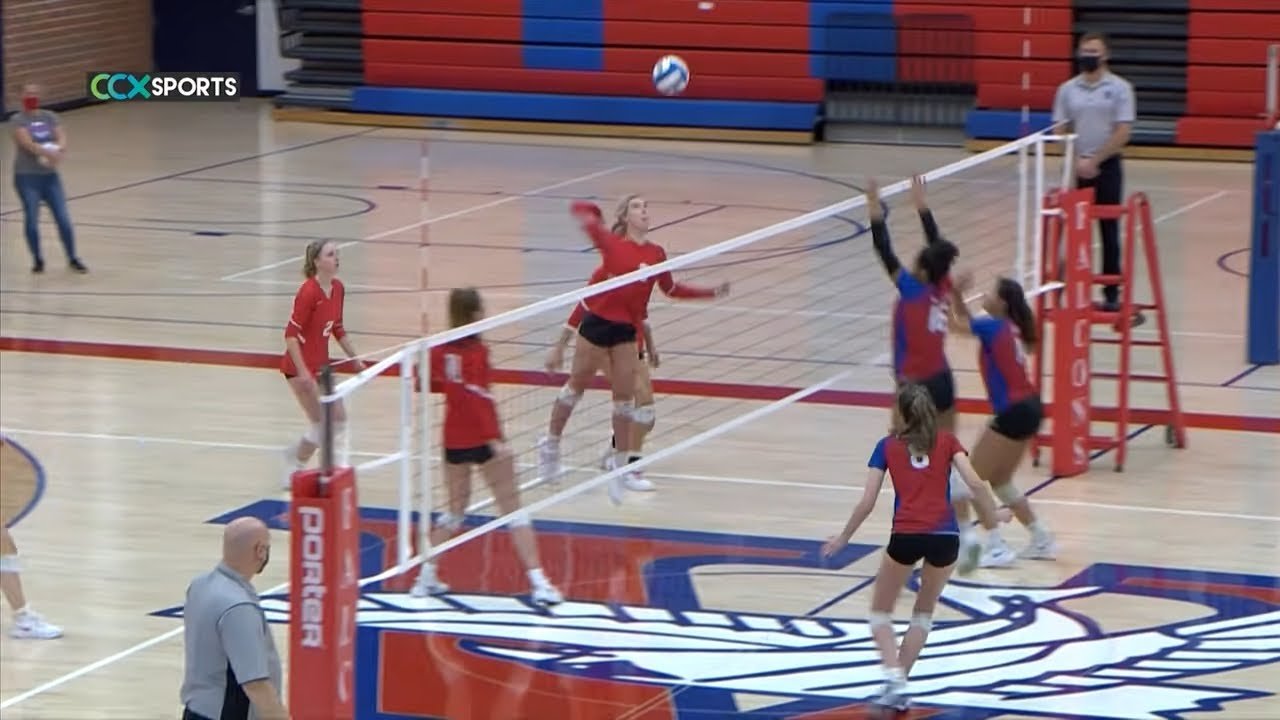
High school volleyball games typically last between one and a half to two hours.
Ever wondered about the duration of high school volleyball matches? It’s a common question for both new fans and seasoned supporters alike. Knowing how long are hs volleyball games can help with planning your day around attending a match.
Games usually consist of three to five sets, and each set takes a certain amount of time to finish. The total time a match takes depends on how quickly the points are scored and if there are any long rallies.

How Long Are HS Volleyball Games?
Okay, let’s dive deep into the world of high school volleyball and figure out just how long these exciting matches usually last. It’s not a simple answer like “exactly one hour!” because several things can change how long a game takes. We’re going to explore all those things together, so you’ll be a volleyball expert in no time!
Understanding the Basics of a Volleyball Match
Before we get into the timing, it’s important to know what a volleyball match looks like. A typical high school volleyball match isn’t just one long game; it’s made up of several smaller games called sets.
What is a Set?
A set is like a mini-game within the match.
Usually, in high school, a team needs to win 25 points with at least a two-point lead to win a set. For example, if the score is 24-24, the game has to keep going until one team has two points more than the other (26-24, 27-25, etc).
The first team to win a certain number of sets wins the entire match.
How Many Sets Are in a Match?
Most high school volleyball matches use a “best-of-five” format. This means a team needs to win three sets to win the match.
Sometimes, if a team wins the first three sets, the match is over. This is because they’ve already reached the required number of wins. No more sets are needed, which can make the match shorter.
In some cases, particularly in tournaments or playoffs, you might see a “best-of-three” format. Here, the first team to win two sets wins the match.
Factors Affecting Game Length
Now that we know what a match looks like, let’s talk about what makes some matches longer than others.
Number of Sets Played
This is the biggest factor! A match that goes to five sets will almost always be longer than one that ends in three.
Three-Set Match: These tend to be the fastest. When a team dominates the other by winning three sets straight, the match is over quickly.
Four-Set Match: This match length is common, as the match went up to 4 sets before the match won by one of the team.
Five-Set Match: These are the longest matches! They happen when teams are evenly matched, and each team needs to win more sets to secure a victory.
The Pace of Play
The speed at which the teams play also affects how long a match will take.
Fast-Paced Teams: When the teams are quick with their serves, attacks, and transitions between points, the match tends to move faster.
Slower-Paced Teams: If the teams take their time between points, have long rallies (when the ball goes back and forth many times), or use their timeouts, the match length could increase.
Timeouts
Coaches get a limited number of timeouts per set. These breaks are usually 30 seconds or 60 seconds, and can add extra time to the game length.
Timeouts are used to give the players a breather, discuss strategy, or try to stop the other team’s momentum.
Teams can use timeouts carefully to their advantage.
When both teams use all their timeouts, the time spent on breaks can add up.
Rallies and Side-Outs
The back and forth action on the court also plays a role.
Long Rallies: When both teams defend the ball well and keep it in play, rallies can last a long time. Long rallies make the match longer because the action doesn’t stop for points to be scored.
Short Rallies: When one team scores quickly, the points happen faster. This usually makes the match length shorter.
Side-Outs: A side-out happens when the receiving team wins the rally and gets the right to serve. Many side-outs in a row can also slow down the progress of the game.
Number of Substitutions
Coaches often make substitutions to switch players in and out. Each change takes a little time, especially if there are many substitutions during the game.
Substitutions can create brief pauses in the flow of the game, contributing to the overall duration.
Injuries
If a player gets hurt, the game has to be stopped while they receive help. This can add significant time to the match.
The time needed for injuries varies, and can make a match go longer than expected.
Officials and Line Judges
Officials sometimes need to review calls. This can take a bit of time, especially when the decision is difficult to make.
If line judges (people who watch to see if the ball is in or out) disagree, the game can be paused to ensure they get the call right, adding to game length.
Typical Length Ranges for HS Volleyball Games
Okay, let’s get to the actual numbers. While it’s impossible to give an exact time, here’s a good estimate of how long high school volleyball games usually last:
Average Match Length
A typical high school volleyball match lasts between 1 hour and 15 minutes to 2 hours. This is just an average, so matches can easily be shorter or longer depending on the factors we’ve discussed.
Matches that finish in three sets tend to be on the shorter side, maybe lasting 1 hour to 1 hour and 30 minutes.
A match going to five sets will often take 1 hour 45 minutes to 2 hours or more.
Set Length
One set typically takes about 20 to 30 minutes to complete.
However, some sets can be much quicker if one team wins by a large margin, or they can take longer if the set is very close and goes into extra points.
Break Time
There’s usually a short break between sets, perhaps a minute or two to let the players rest.
These breaks don’t add a huge amount of time, but contribute a little to the overall length.
How to Plan Your Time Around a Volleyball Game
Now you know that the exact length of a high school volleyball game can vary. So, how do you plan your time when you’re going to a game? Here are some tips.
Arrive Early
It’s always good to arrive at the game location a little early. This will give you time to find your seat, get settled, and avoid missing any of the action when the match starts.
Sometimes, the junior varsity team will play before the varsity team, and you might want to watch them too.
Allow Extra Time
Don’t plan anything too close to the estimated end time of the match. If the game goes to five sets, you don’t want to be rushing out the door.
If you have to be somewhere, always factor in some buffer time for delays.
Check the Schedule
Many high school athletic departments or sports websites post schedules. You can check this to find the start time of the match.
Knowing the start time will allow you to estimate when the game should finish, keeping in mind it might run over.
Bring a Book or Other Entertainment
If the game isn’t moving at a quick pace, bringing something to read or do in between the points can help pass the time.
This is just in case, of course, because the exciting moments in a game are usually worth waiting for!
How Match Length Varies by Level
The length of volleyball matches can also change depending on the level of play:
High School (HS)
As we’ve discussed, high school matches use a best-of-five format mostly.
The match lengths vary mostly because of the number of sets played and other factors such as timeouts, substitutions, long rallies etc.
College (NCAA)
College matches use a best-of-five format like high school, but they tend to have more skilled players.
College matches also tend to have more strategic gameplay, which can impact match length.
While they’re usually longer than high school games, they often fall in the 1.5 to 2.5 hours range, with some exceptions.
Professional (International/Olympic)
Professional volleyball matches can be much more strategic and athletic.
They use a best-of-five format, and can include multiple international team timeouts that can take a lot of time.
Because of the high skill level and longer rallies, these matches often run longer – often between 2 to 3 hours.
Youth/Club
Youth and club volleyball often have different rules and formats.
They might have best-of-three matches, or have different point systems, which means the match will be shorter.
This leads to a variation in match lengths and can be much shorter.
Other Factors That Can Change Match Length
Even with all the factors we’ve discussed, some unexpected events can change the length of the match. These can sometimes be outside of the players’ and coaches’ control.
Technical Issues
If there is a problem with the scoreboard, the game might have to be paused while they fix it.
If the net breaks, they need to replace it and this could also take some time.
Problems with the sound system can also stop the match briefly.
Weather Conditions
In some cases, very rare, if the game is being played outdoors, rain or high winds can cause the game to be paused or even postponed.
However, indoor games are not much affected by weather.
Unforeseen Delays
Unexpected situations, such as a medical emergency in the stands, might cause pauses in the game.
Tips for Players
As a player, it’s helpful to prepare for any length of match. Here are a few tips:
Stay Hydrated: Always have a water bottle handy. Drink plenty of water before, during, and after the match.
Eat Smart: Eat healthy meals that will give you energy for the whole game. Avoid eating junk food before a match.
Stretch: Make sure to stretch properly before each game to avoid injuries. Stretching also increases your performance during the match.
Stay Focused: Even if the game is long, try to stay focused and mentally prepared for the next point.
Stay Positive: Keep your mindset positive even if you are behind on scores, and remember to have fun.
Conserve Energy: If the match is long, don’t use all your energy at the beginning, Pace yourself, so you have energy during the entire match.
Tips for Spectators
As a spectator, you can also be prepared for volleyball match. These are some of the tips to have in mind.
Be Supportive: Cheer for your team and be supportive, no matter the result or how long the game is.
Bring a snack and water: You might get thirsty during long matches, so bring a snack or water.
Be patient: Sometimes matches can be long, so be patient and ready to watch until the end.
Enjoy the Game: Remember, the most important thing is to enjoy the game and have a good time.
High school volleyball matches can vary in length, influenced by the number of sets, timeouts, pace of play, and unexpected events. A typical match can last between one and two hours, but it is important to be prepared for anything. Knowing this, you can better plan your time and enjoy every exciting moment of the game. Whether you’re a player or a fan, volleyball is a great sport and the game length is just a small part of the experience!
🏐 Varsity Eastwood vs Franklin Volleyball Game Fall 2022
Final Thoughts
High school volleyball matches typically last around one to two hours. The duration varies based on the number of sets played. A best-of-five match naturally takes longer than a best-of-three contest.
Also, game stoppages for timeouts and substitutions contribute to the overall time. how long are hs volleyball games is often determined by the pace and competitiveness of the teams.
Ultimately, expect a high school volleyball game to last a minimum of one hour, with some extending past two hours.

