
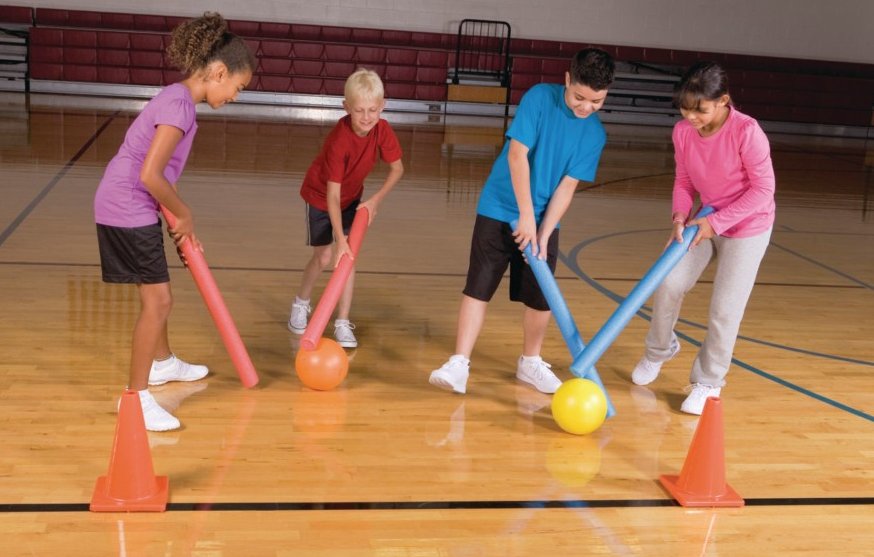
Dodgeball game’s popularity declined due to safety concerns and a shift towards more inclusive physical activities in schools and communities.
Remember the thrill of dodging, ducking, and diving? What happened to dodgeball game, that once ubiquitous playground staple? It seems the intense, sometimes aggressive, nature of the game led to worries about potential injuries.
Many educators started opting for sports that emphasize teamwork and participation over elimination. This meant dodgeball often got replaced with other games. This shift aimed for more inclusive environments where everyone could be active.

What Happened to Dodgeball Game?
Dodgeball! Just the name brings back memories, doesn’t it? For many of us, it was a staple of gym class, birthday parties, and summer camps. But if you haven’t seen a full-on dodgeball game lately, you might be wondering, “What happened to dodgeball?” It’s not exactly gone, but its role in schools and recreation has definitely changed. Let’s dive into the story of dodgeball and explore why it’s not as popular as it once was.
The Rise of Dodgeball
Dodgeball’s history isn’t exactly clear-cut, but its roots seem to trace back to a game called “Prison Ball” played in Africa many years ago. Over time, variations of the game developed, and by the late 1800s, it had appeared in North America. It quickly gained popularity, becoming a regular part of physical education programs by the 20th century. The simple rules and the thrill of trying to avoid getting hit – or making the winning hit – made it a hit among kids.
What made dodgeball so popular? Here’s a quick rundown:
- Simple Rules: You just needed a ball, a group of people, and some space. The rules were easy to learn, making it accessible to almost everyone.
- Active Fun: It got kids moving! Running, jumping, throwing – all these actions made it a great way to burn energy.
- Teamwork: While it sometimes felt like everyone for themselves, good teams used strategy and communication to win.
- Excitement and Thrill: The fast-paced nature of the game, with its close calls and exciting moments, made it really enjoyable for many.
The Backlash Against Dodgeball
Despite its fun factor, dodgeball started facing criticism as ideas about physical education changed. People started questioning if it was really a good game for kids. Here are some of the main concerns that surfaced:
Safety Concerns
One of the biggest issues with dodgeball was safety. Getting hit by a ball, especially a hard one thrown with force, could really hurt. Injuries, such as bruises, sprains, and even more serious things, happened. Sometimes, kids would even get hit in the face, which could be quite dangerous. This made a lot of schools and parents worry about their kids’ well-being. The potential for injury made many look for alternative activities that were safer for children.
- High-Impact Hits: A direct hit could cause pain and injury, especially if the ball was thrown with a lot of power.
- Face and Head Injuries: Getting hit in the face or head was a major concern, as it could lead to concussions or other problems.
- Lack of Control: In some games, players lost control and balls flew everywhere, causing a chaotic and potentially unsafe situation.
The Issue of “Targeting”
The idea of throwing a ball at another person, even in a game, made some people uncomfortable. They argued that dodgeball could encourage aggressive behavior and targeting weaker players. It could create a situation where some kids felt like they were being singled out and made to feel bad. This raised concerns about whether dodgeball was teaching good sportsmanship or something else entirely.
- Bullying Potential: Some feared that dodgeball could become a way for stronger or more aggressive kids to bully weaker ones.
- Negative Feelings: Being constantly targeted could make some children feel insecure and discouraged.
- Focus on Elimination: The game’s focus on elimination could make some players feel like they were constantly “losers.”
Exclusion and Lack of Inclusivity
The nature of dodgeball meant some children were naturally better at it than others. Fast runners, strong throwers, and kids who were good at dodging usually thrived. Kids who weren’t as fast or athletic often found themselves eliminated early and were left on the sidelines. This led to a feeling of exclusion, where some kids just didn’t have a good time. It seemed that the game wasn’t always fair to everyone.
- Unequal Playing Field: The game often favored the more athletic children, making it difficult for less athletic kids to participate.
- Limited Participation: Kids who were eliminated early would spend a lot of time sitting out, missing out on the activity.
- Focus on Winning: The focus on winning could overshadow the goal of having fun and being active for all.
The Decline of Dodgeball in Schools
Because of the safety concerns, the potential for bullying, and the lack of inclusivity, many schools started to reduce or even ban dodgeball from their physical education programs. It simply did not fit in with the move towards more positive and all-inclusive activities. Instead, schools started introducing games and activities that were more focused on teamwork, cooperation, and individual improvement.
Here’s what often happened:
- Replacement with Other Activities: Schools replaced dodgeball with games like volleyball, basketball, soccer, and other sports that focused on skills, cooperation, and less direct physical contact.
- Emphasis on Fun and Fitness: Many physical education programs shifted focus to promoting fitness and enjoyment, instead of simply trying to win.
- Inclusion for Everyone: Programs focused on activities that allowed all students, regardless of skill level, to participate and feel valued.
Dodgeball Today: Still Around, Just Different
So, is dodgeball totally gone? Not quite! While its presence in schools has diminished, dodgeball still exists in other areas. It has evolved a bit and continues to be enjoyed in many different forms.
Dodgeball Leagues and Tournaments
Adult dodgeball leagues have become popular in many places. These leagues offer a competitive and fun way for adults to stay active. The rules are often adjusted to make the game safer and more strategic. Tournaments and events, both big and small, draw teams from all over, showing that the love of dodgeball is still alive and well.
Modified Versions
Many modifications to the classic game have appeared to address some of the concerns. These changes focus on making the game safer and more inclusive:
- Softer Balls: Many games now use softer foam balls that are less likely to cause injury.
- Modified Rules: Some versions of the game focus on teamwork and strategies, rather than just eliminating players.
- Different Game Formats: There are various dodgeball formats, including games with different boundaries, rules, or even objectives.
Dodgeball in Popular Culture
Dodgeball has also made its way into popular culture through movies and other media. The movie “Dodgeball: A True Underdog Story” brought the game back into the spotlight, although with a humorous and exaggerated take. This shows how the game has managed to stick in people’s minds, and still has its place in our collective memory.
The Legacy of Dodgeball
Even though its popularity has changed over the years, dodgeball has left an undeniable mark. It was a popular game that for many generations was a staple of childhood play. It taught many of us about teamwork, strategy, and the need to move quickly. Although its role in physical education has declined, it helped to open up a conversation about how to ensure that all kids feel safe, involved, and positive in physical activities.
Dodgeball may not be what it once was in schools, but its legacy and ability to bring enjoyment lives on. The conversation it started about the importance of safety, inclusion, and making sure that physical activities are beneficial for all children is something we all can learn from. It shows that even the simplest games can change and develop over time, adapting to fit into the needs and ideas of different ages and people. Perhaps we will see more fun and creative ways for dodgeball to come back in the future.
Dodgeball Game Gets Very Interesting…
Final Thoughts
Dodgeball’s popularity waned as schools faced liability concerns. The game’s aggressive nature led to increased injuries and subsequent lawsuits, leading many institutions to ban it. Many physical education programs replaced dodgeball with less risky activities.
Ultimately, what happened to dodgeball game was its removal from many settings. Safety concerns effectively diminished its presence in schools. Alternative games which are seen as safe gained popularity instead, making dodgeball’s widespread presence a thing of the past.

