
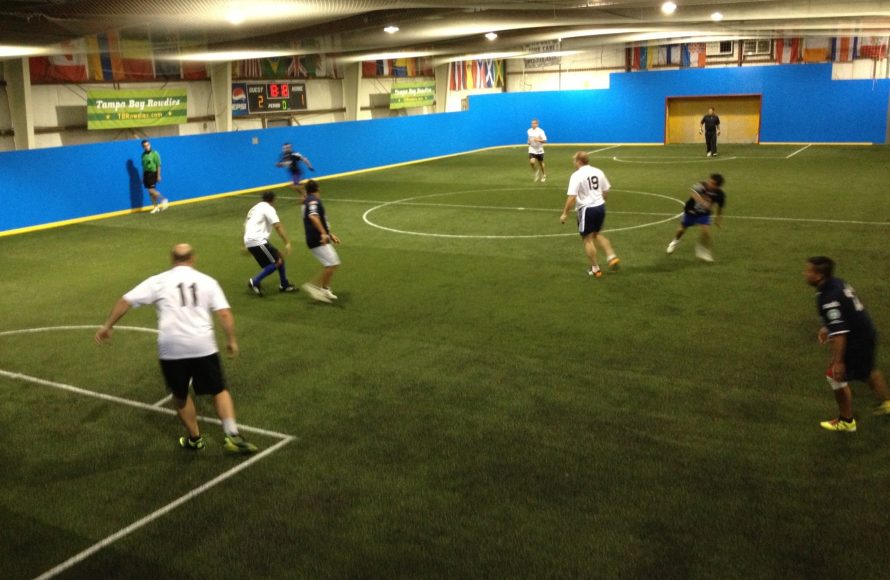
Indoor soccer games typically last between 40 and 60 minutes, depending on the league rules, with halves usually ranging from 20 to 30 minutes.
Ever wondered how long you’ll be on the court when you play? You’re not alone; many people ask, “how long are indoor soccer games?” It can vary.
Generally, a typical indoor soccer match has two halves of play. Time can change slightly based on the specific rules of the competition.
Leagues often adjust game duration to accommodate different age groups or skill levels, ensuring a good experience for everyone.

How Long Are Indoor Soccer Games?
Okay, soccer fans, let’s talk about indoor soccer! You might be used to watching or playing regular soccer outside, with its big fields and long matches. But indoor soccer is a bit different, and that includes how long the games last. If you’re curious about how much time you’ll spend on the court, you’ve come to the right place. We’re going to break down everything you need to know about the length of indoor soccer games, from the littlest players to the grown-ups.
Why Are Indoor Soccer Games Shorter Than Outdoor Soccer Games?
Before we jump into the specific times, let’s talk about why indoor soccer games are shorter. It mostly boils down to a few key reasons:
- The Playing Area: Indoor soccer fields are much smaller than outdoor ones. This means there’s less ground to cover, and players are constantly involved in the action. It’s more intense!
- The Intensity: Because the field is smaller, the game is usually faster-paced. Players run, pass, and shoot more often. Shorter games keep everyone from getting too tired.
- Less Stop Time: In indoor soccer, there are typically fewer stoppages of play. This is because the ball often stays in play off the walls, unlike the sidelines in outdoor soccer where the ball often goes out.
- More Games Per Day: Indoor facilities often host multiple games per day, especially in leagues and tournaments. Shorter games allow for more teams to play on the same court, which is very important for schedules.
So, in a nutshell, indoor soccer is designed for fast, exciting action in a compact space, and the shorter game length reflects that.
Typical Indoor Soccer Game Lengths by Age Group
Now, let’s get to the main question: how long are the games? The length of an indoor soccer game depends a lot on the age of the players. Here’s a general breakdown:
Young Kids (Under 8 Years Old)
For the youngest players, the games are the shortest. This is because little ones have shorter attention spans and tire out more quickly. You’ll usually see game lengths of:
- Halves: Two halves of about 15 minutes each.
- Total Game Time: Around 30 minutes total playing time.
- Half Time: Usually a very short break of 2-3 minutes.
The focus here is more on having fun and learning the basics, rather than a long, grueling match. You might also see a “running clock”, meaning the time keeps going even when there are stops in play. This makes sure the game moves along quickly and keeps the kids engaged.
Kids (Ages 8-12 Years Old)
As kids get a bit older, their game times get a little longer. They have more stamina and a better understanding of the game. Typical times for this age group are:
- Halves: Two halves of around 20-25 minutes each.
- Total Game Time: About 40-50 minutes total playing time.
- Half Time: A short break of 5-10 minutes, giving the players a chance to rest, drink water and adjust strategies.
At this stage, the rules become a little more like adult soccer. The running clock might still be used, but there will generally be more of an effort to stop the clock for major stoppages, especially towards the end of the game. The focus is shifting to developing their skills and tactics.
Teenagers (Ages 13-17 Years Old)
Teenagers are generally getting closer to adult game times. They are more physically fit and have a better understanding of how to pace themselves during a game. Here are some common game lengths:
- Halves: Two halves of around 25-30 minutes each.
- Total Game Time: About 50-60 minutes total playing time.
- Half Time: A longer break of about 5-10 minutes
At the teenage level, you will see more of the stop-clock in use where the clock stops for stoppages, like injuries, fouls and the ball going out of play. This makes the game time more like traditional soccer.
Adults (18 Years and Older)
For adult indoor soccer leagues, games are usually the longest, though still shorter than outdoor soccer. It provides the intensity and speed that indoor soccer is known for. Here’s what you can expect:
- Halves: Two halves of around 25-30 minutes each.
- Total Game Time: Approximately 50-60 minutes total playing time.
- Half Time: A short break of 5-10 minutes.
Often adult leagues will use a stopped clock for games, which can extend the length of the game a little more. As players at this level understand strategy and tactical play, stoppages of play can become more common.
Factors That Can Affect Game Length
While the age groups give you a general idea, some other things can change how long an indoor soccer game lasts:
The League Rules
Different leagues, tournaments and facilities have their own specific rules. Some may have strict time limits, while others allow for slightly longer periods or different stopping rules. It’s always a good idea to check with the specific league organizer to understand the exact length of the game.
Running Clock vs. Stopped Clock
As mentioned earlier, some games use a “running clock,” which means the clock keeps ticking even when the ball is out of play or there’s a foul. Other games use a “stopped clock,” where the clock pauses for these stoppages. A stopped clock will make the game length a bit longer.
Tournament Formats
Tournament games might have slightly different time rules. In playoff or knockout rounds, games might be longer or even have overtime periods if the game is tied. Games in earlier group stages might have shorter periods to get through the tournament games.
Overtime
In the event of a tie during a tournament game, there may be an overtime period, often of a short length such as 5 or 10 minutes. If the score is still tied, it may go to a penalty shootout.
Number of Players
The number of players on each team can also affect game length. With fewer players, the game may be slightly shorter. Many indoor soccer games are played with 5, 6 or 7 players on each team.
Skill Level
Higher skilled games may require a shorter play time due to intensity, speed and competitiveness. Conversely less skilled games might require a longer play time due to more time stopping, and fewer continuous passages of play.
What About Warm-up and Cool-Down Time?
It is also important to remember that the game time is just part of the total time you’ll spend at the indoor soccer court. You’ll also need some time before and after the game.
Warm-Up Time
Before the game starts, you should give your players some time to warm up. It is important to do this, so players can prepare their muscles for the demands of the game. This might include light jogging, stretching, and kicking a few balls around. Usually about 10 to 15 minutes is sufficient, although this can be longer for more competitive players.
Cool-Down Time
After the game, it’s a good idea to cool down with some light stretching. This helps your body recover and reduce muscle soreness. 5-10 minutes is usually sufficient.
So, while a game might only be 40 minutes, you should plan for extra time before and after for warm-up and cool down periods, changing and strategy talks.
How To Make the Most of Your Playing Time
Since indoor soccer games can be on the shorter side, it’s important to make the most of your time on the court. Here are some tips:
- Be Ready to Go: As soon as the whistle blows, be prepared to play at full intensity. Indoor soccer requires fast reactions.
- Stay Focused: The small playing area means there is less time and space, so stay focused on what is happening.
- Communicate: Talk to your teammates to make passes and coordinate your play.
- Don’t Waste Time: There may be less time than in outdoor soccer, so make each pass and shot count.
- Enjoy the Game: Most of all, have fun! Indoor soccer is about enjoying the action and playing hard.
Indoor Soccer Game Length Summary Table
Let’s summarize with a quick table:
| Age Group | Typical Half Length | Typical Total Game Time | Half Time Length |
|---|---|---|---|
| Under 8 | 15 minutes | 30 minutes | 2-3 minutes |
| 8-12 | 20-25 minutes | 40-50 minutes | 5-10 minutes |
| 13-17 | 25-30 minutes | 50-60 minutes | 5-10 minutes |
| Adults | 25-30 minutes | 50-60 minutes | 5-10 minutes |
Remember, these times are just guidelines. Always check with your league or coach for the exact game length.
So, there you have it – a complete look at the length of indoor soccer games! From little kids to adults, the time on the court is designed for fast, fun, and exciting action. Now, get out there and play!
Scoring goals in indoor soccer
Final Thoughts
Indoor soccer games vary in length, typically lasting between 40 and 60 minutes. These times are generally divided into two equal halves, often with a brief intermission.
The exact duration often depends on the league, age group, and facility rules. Therefore, understanding the specific game time for your match is crucial. So, regarding “how long are indoor soccer games,” the answer isn’t one-size-fits-all.

