
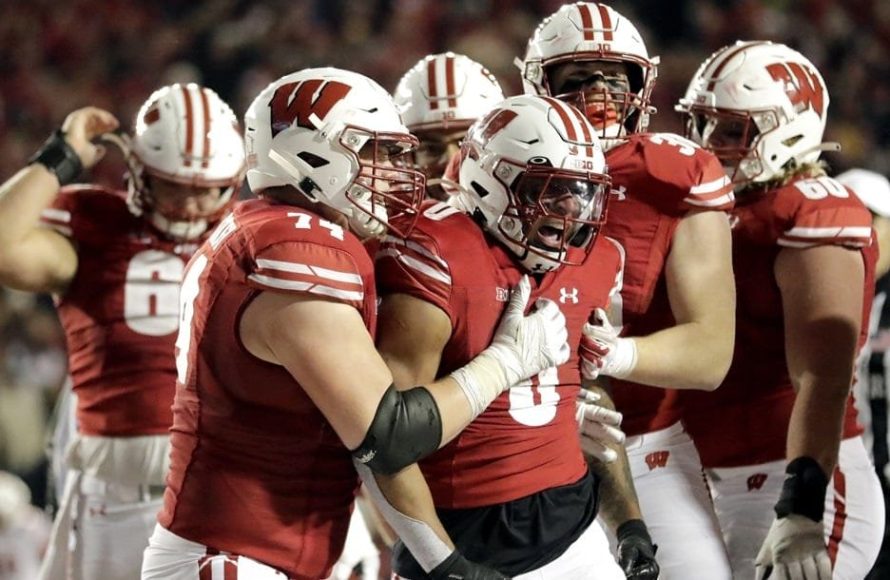
NCAA football games typically last around 3 to 3.5 hours, including timeouts, halftime, and other stoppages.
Ever found yourself glued to the television, wondering exactly how long are NCAA football games? The clock seems to move both incredibly fast and agonizingly slow during those nail-biting moments.
Understanding the typical duration helps plan your weekend or schedule other activities around the game. It’s not just about the 60 minutes of play on the field but the entirety of the experience. So, let’s dive in and explore the average length of a college football match.

How Long Are NCAA Football Games?
Alright, football fans! Let’s dive deep into a question that’s probably crossed your mind more than once: how long actually are those exciting NCAA football games? It’s not as simple as saying “exactly three hours” because there are a bunch of factors that can make the clock tick a little faster or a little slower. Let’s break down everything that goes into the length of a college football game, so you know what to expect whether you’re cheering in the stands or watching from your comfy couch.
The Basics: Standard Game Time
The official game time for an NCAA football game is 60 minutes. This is divided into four quarters, each lasting 15 minutes. So, 15 minutes x 4 quarters = 60 minutes of pure football action. Seems easy enough, right? But there’s a lot more to it than just four 15-minute blocks. The clock doesn’t just run continuously during these quarters. It stops and starts quite a bit, adding to the overall time it takes to complete a game.
Understanding the Game Clock: Why It Stops and Starts
The game clock in college football is designed to stop for certain events, which is why a game usually takes longer than 60 minutes. Here’s a breakdown of the main reasons why the clock stops:
- Incomplete Passes: When a pass isn’t caught, the clock stops. This gives the teams time to reset and get ready for the next play.
- Out-of-Bounds Plays: If a player runs out of bounds, the clock stops.
- Penalties: When a penalty is called, the clock stops while the referee explains the penalty and makes adjustments to the playing field. This allows for fair play and time to correct any rule violations.
- Change of Possession: When one team gains control of the ball from the other (like after an interception or a punt), the clock stops briefly.
- Scoring Plays: After a touchdown, field goal, or safety, the clock stops for the scoring team to celebrate and for the other team to get ready for the kickoff.
- Injuries: If a player gets hurt, the clock stops until they are attended to by medical staff and either get back into the game or leave the field. Player safety is a top priority, so this clock stoppage is crucial.
- Timeouts: Each team gets a certain number of timeouts each half. When a timeout is called, the clock stops.
- End of Quarter: The clock also stops briefly at the end of each quarter to allow for switching sides of the field. This ensures that each team has a chance to play with the wind, sun, or other environmental factors in their favor.
All of these clock stoppages add significant time to the overall length of a game. These are also the key components that makes the length unpredictable.
Halftime: A Break in the Action
After the second quarter, there’s a halftime break. This break is officially 20 minutes long. This time allows the players to rest, coaches to regroup, and the stadium staff to prepare for the second half. Halftime entertainment, like band performances, often takes place during this time. Halftime is also a time for fans to stretch their legs, use the restroom, and get some refreshments, so keep in mind the 20 minute break if you plan to do so. The halftime break is a fixed duration and does not change, therefore it is not a major factor for the fluctuation in total game time, unlike stoppages during gameplay.
Average Game Length: Beyond the 60 Minutes
Now that we’ve covered the basic game time and clock stoppages, let’s talk about the total average time. While the official playing time is 60 minutes, a typical NCAA football game usually lasts between 3 and 3.5 hours. This is because of all the reasons we mentioned above – those clock stoppages really add up. Keep in mind this average is only a guide, some games can be shorter than this while some may run even longer.
Factors Affecting Game Length
Many factors can impact how long a particular game takes. Some games move quickly, while others can drag on. Here are some key factors that influence the length of NCAA football games:
The Number of Scoring Plays
Games with lots of scoring plays tend to run longer. Every time there’s a touchdown or field goal, the clock stops, adding to the game’s overall time. If both teams have strong offenses and are scoring frequently, expect a longer game. Conversely, games with fewer scoring opportunities often progress faster. For example a game with a high score like 42-38 could take much longer than a game with final score of 10-7.
The Number of Penalties
Many penalties result in the clock stopping, therefore, games with more penalties tend to be longer. Games with frequent penalties slow the game down because of stoppages and the time it takes to decide and enforce penalties. A game with lots of penalties such as holding, pass interference, or false start will definitely take longer than a game with minimal penalties.
Close Games vs. Blowouts
Close games that are tightly contested often have more clock stoppages and tend to go longer than blowouts. When teams are close in score, they often use more timeouts and may have a higher amount of scoring plays as both teams are trying to get the upper hand. Blowouts, on the other hand, often have teams focusing on running out the clock instead of trying to score, leading to fewer stoppages and a shorter game. For example, a close back-and-forth game can take longer than a game where one team is winning by a considerable margin and the other team slows down in the final minutes.
Overtime Situations
If the game is tied after four quarters, it goes into overtime. Overtime rules in college football can make games significantly longer. Overtime in college football is different from the overtime in the NFL, adding another layer of complexity and potential length to the game. In college overtime, each team gets a chance to score from the opponent’s 25-yard line, and the clock doesn’t stop unless a score occurs. This can add 10-20 minutes, or even longer, to the game, if it goes into multiple overtime periods. Overtime can make a game stretch well beyond the average game length.
The Pace of Play
The style of offense can also affect the game length. Teams that use a “no-huddle” offense, where they quickly get back to the line of scrimmage to run the next play, can lead to a faster pace of play, sometimes making games shorter. These teams often try to catch the defense off-guard with their speed. Conversely, a team that uses a huddle and takes time between plays could make the game go a bit slower and might also cause some increase in the total length of the game. The pace of play is often a strategic choice by the coaches, and is one of the factor which make the length of the games not constant.
Commercial Breaks
Television broadcasts also have a say in the total time of a game. Television timeouts for commercials add extra minutes to the game that aren’t part of the actual game clock. These commercial breaks are necessary for TV stations but they do extend the time. Although we cannot control these breaks it does affect how long the game is.
The Impact of Replay Reviews on Game Duration
Replay reviews are now a standard part of NCAA football, and these reviews also add to the game time. If a play is close, the officials can go to the replay booth to check. This process can sometimes take a few minutes and sometimes even more, which can lengthen the game. While reviews ensure fair play, it’s another reason why the game length can vary. The process of reviewing a play and arriving at a final decision can sometimes take a considerable amount of time.
Specific Examples
To illustrate how these factors can change the game length, let’s look at a few possible scenarios:
- Quick Game Scenario: A game where one team dominates early and the other struggles to score, with minimal penalties and no overtime, would likely finish in the shorter range of 3 hours, especially if one team is trying to run the clock down in the 4th quarter.
- Long Game Scenario: A game with a lot of lead changes, a ton of penalties, numerous scoring drives, and perhaps even overtime will almost certainly go longer than the typical 3.5-hour mark. Overtime alone can easily add 20+ minutes and if the game goes to a second or third overtime it can add to the game time considerably.
- Average Game: A game with a few scoring plays, a couple of penalties, and some back-and-forth action will usually land around the 3 to 3.5-hour range.
These examples should help you understand the variance in the game times and the different factors that cause them.
Tips for Planning Your Game Day Schedule
Now that you know a little about how long a college game could take, here are some tips for planning your day around a football game:
- Plan for 3.5 Hours: When making your plans for a day of college football, set aside at least 3.5 hours for the game itself. This will give you a buffer for any extra time caused by overtime or other game-related factors. If the game ends up being shorter, you’ll have some extra time.
- Factor in Travel Time: If you’re heading to a stadium, include travel time to and from the game when planning your day. Also, keep in mind the time to park, get inside the venue and find your seat.
- Consider Pre-Game and Post-Game Activities: Many fans like to enjoy pre-game tailgating or post-game celebrations. Factor in extra time if you plan to do those activities. Tailgating can start hours before the game begins, so plan accordingly.
- Watch a Few Games: Pay attention to the game flow of a few games before your game, to get a good grasp on how length differs in game to game. It can also help you prepare to anticipate the potential game length of your planned game.
Having this knowledge can help you have a smooth experience and you’ll know what to expect while watching your favorite team.
Understanding these different elements that cause changes in the length of college football games can significantly improve the way you plan your football watching days. While the standard game time is 60 minutes, the actual time can be much longer. Remember that these variables in time are one of the many things that makes college football exciting!
College Football Playoff Semifinal PREVIEWS: Notre Dame vs Penn State, Ohio State vs Texas
Final Thoughts
NCAA football games typically run for about three hours, but this can vary. Timeouts, reviews, and injuries extend the clock. The clock also stops after incomplete passes and plays that end out of bounds.
So, how long are ncaa football games? They generally average a little over three hours in length. Actual game time, of course, is much shorter than that. This includes many stoppages.

