
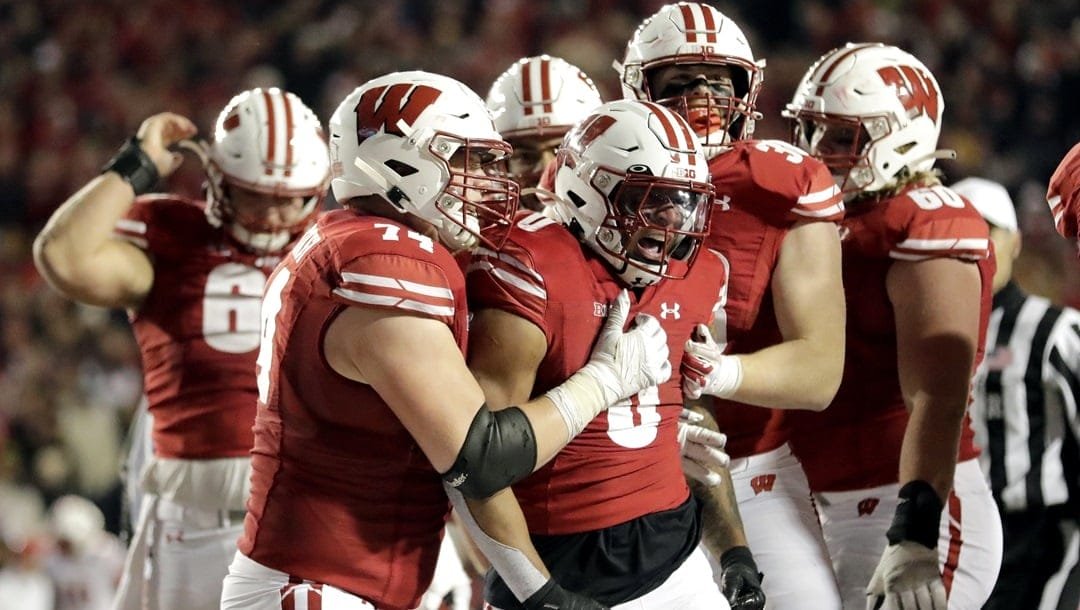
NCAA basketball games typically last around two hours, while football games often run for three to three and a half hours.
Ever wondered how long are NCAA games? It’s a common question for fans eager to plan their schedules. The length varies between sports, of course.
Basketball games generally clock in at about two hours. Football games, with their many stoppages, tend to take much longer.
You should expect football contests to last between three and three and a half hours. These are typical ranges; actual game times can fluctuate.

How Long Are NCAA Games?
Ever wondered how long you’ll be glued to the TV cheering on your favorite college team? Or maybe you’re planning a game day party and need to know when to order the pizza? The length of NCAA games varies quite a bit depending on the sport. It’s not like clockwork, where every game is the same length. Factors like timeouts, injuries, and even the score can all affect how long a game actually takes. Let’s take a detailed look at different NCAA sports and how long their games usually last. So, let’s dive in!
NCAA Football Game Length
Let’s start with one of the most popular college sports: football. A standard NCAA football game has four 15-minute quarters, totaling 60 minutes of playing time. However, the clock often stops. That’s because the game stops after incomplete passes, when a player runs out of bounds, after a penalty, and during timeouts. This makes a significant difference between actual playing time and the total time of a game.
Factors Influencing Football Game Length
Several factors contribute to the overall length of an NCAA football game:
- Timeouts: Each team has several timeouts per half. Strategic timeouts, for example, can significantly add to the total game duration.
- Commercial Breaks: Television broadcasts include commercial breaks, which often fill significant portions of a game’s overall time.
- Penalties: The more penalties called, the longer the game will probably be. Each penalty stops the clock to let the referee reset the play.
- Injuries: When a player gets hurt, the game stops while the medical team checks on them. This could be a short pause or a longer delay.
- Scoring Plays: After a touchdown, field goal, or safety, the clock stops for the extra point attempt or the next kickoff.
- Overtime: Sometimes the game is tied after four quarters. When that occurs, overtime periods are played. This definitely adds to the game’s length.
Considering all these factors, a typical NCAA football game usually takes about 3 to 3.5 hours from kickoff to the final whistle. Some close contests with lots of scoring and penalties can even run longer.
It’s helpful to understand that the 60 minutes of play time is spread out over three-and-a-half hours (give or take). Therefore, If you’re planning a football party or just want to know when to expect the game to end, plan for a 3-to-4-hour event.
NCAA Basketball Game Length
Moving on to the fast-paced world of NCAA basketball, the game length is structured a bit differently. Unlike football, basketball games are divided into two halves of 20 minutes each for a total of 40 minutes of playing time. But, just like football, the clock isn’t always running in basketball games.
Factors Influencing Basketball Game Length
Several elements affect the total time of an NCAA basketball game:
- Timeouts: Teams have multiple timeouts per half that they can strategically use to stop play.
- Fouls: Personal fouls, especially in the final minutes, will stop the clock frequently.
- Free Throws: Each free throw attempt stops the clock, and a series of free throws can add some time.
- Stoppages: The clock stops when the ball goes out of bounds or for other similar reasons.
- Halftime: There’s a 15-minute break between the two halves.
- Overtime: When the game is tied after 40 minutes, overtime periods of 5 minutes each are played.
- Commercials: Television broadcasts include their time for commercials, adding some time to the total game length.
Because of these factors, an NCAA basketball game usually lasts around 2 to 2.5 hours. A really close game with a lot of fouls and free throws can definitely push that closer to 3 hours. Generally, you need to plan for at least a two-hour block of time for a basketball game.
NCAA Baseball Game Length
NCAA baseball games operate under a different format than football and basketball. A standard baseball game in college consists of nine innings. Unlike timed sports, there’s no set time limit for how long a game lasts. A baseball game can last as long as it takes to complete those nine innings.
Factors Influencing Baseball Game Length
The following factors affect how long a baseball game lasts:
- Pitches and At-Bats: The number of pitches thrown and at-bats taken can significantly affect game length. A game with many pitches will typically last longer.
- Pitching Changes: When pitchers are switched, it stops the game while they warm up on the mound.
- Offensive Action: Games with many hits, runs, and errors tend to go longer.
- Defensive Changes: When a team makes changes in the field, it can cause short stops in the game.
- Injuries: As in other sports, injuries cause stoppages in the game.
- Extra Innings: If the game is tied after nine innings, extra innings are played until a winner is determined. These extra innings can increase a game’s length considerably.
A typical NCAA baseball game lasts roughly 2.5 to 3.5 hours. However, games with lots of runs or that go into extra innings can last longer, sometimes even over 4 hours. It’s tough to pinpoint a set time for a baseball game, so it’s best to be prepared for a possible longer game.
NCAA Soccer Game Length
NCAA soccer, or college football as it’s known in most of the world, consists of two 45-minute halves for a total of 90 minutes of playing time. Unlike basketball or football, the clock in soccer doesn’t stop for minor things, making it a bit more straightforward. This clock just keeps going until the half is over.
Factors Influencing Soccer Game Length
Here are some factors affecting the length of an NCAA soccer game:
- Stoppage Time: The referee can add “stoppage time” at the end of each half to make up for time lost due to injuries or other interruptions.
- Injuries: Injuries to players can lead to pauses in the game.
- Substitutions: These take up a small amount of time as players come on or off the field.
- Halftime: The game includes a 15-minute break between halves.
- Overtime: When games are tied after 90 minutes, two overtime periods of 10 minutes each are played. If the score is still tied, a penalty shootout decides the winner.
A typical NCAA soccer game usually lasts about 2 to 2.5 hours, including the halftime break. Games that go into overtime can obviously last much longer.
NCAA Volleyball Game Length
NCAA volleyball games have a unique structure. Instead of timed halves or quarters, games are played in a set format. The first four sets are played to 25 points, with the last set (if necessary) played to 15 points. Each set must be won by at least two points. This means if the score is tied at 24-24, the game continues until a team has a two-point advantage.
Factors Influencing Volleyball Game Length
Several factors influence the length of a volleyball match:
- Number of Sets: Matches can be three, four, or five sets, depending on how quickly a team wins three sets.
- Rallies: Longer rallies mean more game time.
- Timeouts: Teams take timeouts throughout the set, stopping the clock.
- Changeovers: There are short breaks between each set.
- Scoring: A close set with many ties will usually be longer than a game that is not close.
Usually, an NCAA volleyball match lasts between 1.5 and 2.5 hours, but the times can vary quite a bit depending on how competitive the match is and how many sets are needed.
Other NCAA Sports
While the sports mentioned above are some of the most popular, other NCAA sports also have their own unique timing structures. Let’s briefly discuss them:
NCAA Hockey
NCAA Hockey games include three 20-minute periods, totaling 60 minutes of playing time, with breaks between periods. Games can usually last about 2 to 2.5 hours due to stoppages and intermissions.
NCAA Lacrosse
Lacrosse has four 15-minute quarters, totaling 60 minutes of playing time. The game length is usually between 2 and 2.5 hours because of breaks and stoppages.
NCAA Swimming & Diving
Swimming and Diving meets have different event lengths, and the total duration can vary greatly. They can last from a couple hours to an entire day depending on the number of participants and events involved.
NCAA Track & Field
Similar to swimming & diving, track and field competitions have many different events, and the length can change. A track and field competition may last from a few hours to a full day or even span multiple days for major events.
NCAA Gymnastics
Gymnastics meets typically last about 2 to 3 hours. This includes the rotation of the athletes through the various events and the time needed to score the performance.
Summary of NCAA Game Lengths
Here’s a quick table summarizing typical game lengths for major NCAA sports:
| Sport | Typical Game Length |
|---|---|
| Football | 3 to 3.5 hours |
| Basketball | 2 to 2.5 hours |
| Baseball | 2.5 to 3.5 hours |
| Soccer | 2 to 2.5 hours |
| Volleyball | 1.5 to 2.5 hours |
| Hockey | 2 to 2.5 hours |
| Lacrosse | 2 to 2.5 hours |
Understanding the game length of different NCAA sports is very helpful for planning your day. Whether you’re going to a live game, watching on television, or organizing a watch party, having an estimate of the expected game length makes it much easier.
Ultimately, while these are average game lengths, each game can be a little different due to many factors. If you’re excited about a particular game, it’s always best to plan for a little extra time to ensure you don’t miss any of the action. Enjoy watching your favorite college teams compete!
Biggest Track Icks 🤢: NCAA Edition
Final Thoughts
NCAA basketball games typically last around two hours, though this can vary depending on timeouts and other stoppages. Football games, conversely, often take three to four hours to complete due to their structure. Overtime periods can further extend game times in both sports.
Ultimately, the answer to ‘how long are ncaa games’ depends heavily on the specific sport. Remember that broadcast times also include pre-game and post-game analysis, so the actual game duration differs. Keep this timing in mind when making plans to watch your favorite team.

