
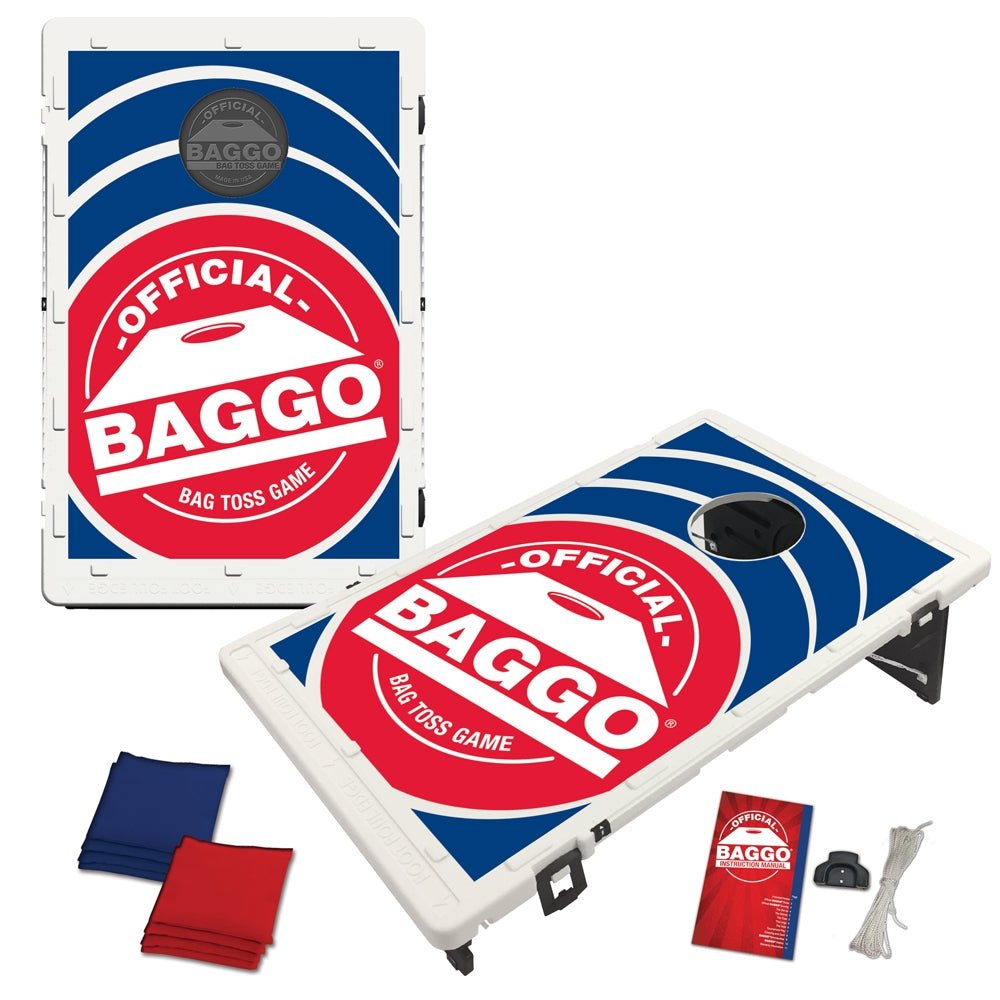
Baggo game is a lawn game where players toss bean bags at a raised platform with a hole, aiming to score points.
Have you ever seen people at a park, tossing small bags towards a wooden board? Perhaps you’ve wondered, what is baggo game? It’s a fun and simple outdoor activity that’s become very popular.
People of all ages enjoy this game, and it’s perfect for casual gatherings. The rules are easy to understand, making it a great choice for some lighthearted competition.

What is Baggo Game? A Comprehensive Guide
Have you ever seen people tossing bean bags at a wooden board with a hole and wondered what they’re doing? That, my friend, is probably Baggo, also known by many other names like Cornhole, Bean Bag Toss, or Bags! It’s a super fun and simple outdoor game that’s perfect for backyard parties, tailgates, picnics, or just a casual day in the sun. But what exactly is Baggo? Let’s dive in and explore everything you need to know about this popular game.
The Basics of Baggo
At its core, Baggo is a game of skill and accuracy. The main objective is to toss bean bags onto a raised wooden platform and, ideally, into a hole. The more bean bags you get on the board or in the hole, the more points you score. Sounds easy, right? Well, it’s easy to learn, but it takes some practice to become a really good Baggo player! It’s a fantastic game for all ages, from kids to grandparents, making it a true family favorite.
Equipment You’ll Need
To play a proper game of Baggo, you need a few essential pieces of equipment. Let’s take a closer look:
- The Boards: These are typically rectangular wooden platforms with a single hole near the top. The standard size of each board is 2 feet by 4 feet. The hole is usually 6 inches in diameter and is located 9 inches from the top edge of the board, and centered on the width.
- The Bean Bags: These are small, fabric bags filled with dried beans or plastic pellets. They are usually about 6 inches square and weigh about 16 ounces each. Each player or team typically gets four bean bags, usually of different colors or patterns so you can tell them apart.
- Playing Area: You need a relatively flat surface to set up the boards. You also need enough open space so that the bean bags can be tossed without obstructions.
Setting up Your Game
Setting up Baggo is incredibly simple. Here’s how:
- Place the Boards: Position the two boards facing each other, about 27 feet apart. This is the regulation distance for official games, but for casual play, you can adjust the distance to suit your preference and skill level. A smaller distance is often used when kids are playing.
- Decide Who Goes First: Flip a coin, play rock-paper-scissors, or choose any fun way to determine who gets to toss first.
- Get Ready to Toss: Each player stands behind their board, ready to toss their bean bags towards the opposite board.
How to Play Baggo: The Rules
Now that you know what equipment you need and how to set up your game, it’s time to learn how to actually play Baggo! While there are some official rules, it is also okay to tweak them a bit for a more casual game at home.
Taking Turns
Baggo is a turn-based game. This means that players take turns tossing their four bean bags, one at a time, towards the opposite board. After all four bags have been thrown by a player, the next player takes their turn. You should always throw all four of your bean bags before the other player starts.
Scoring Points
The scoring in Baggo is quite straightforward:
- In the Hole (Cornhole): When a bean bag goes completely through the hole, it’s worth 3 points.
- On the Board: If a bean bag lands and remains on the board, but not in the hole, it’s worth 1 point.
- Off the Board: Bean bags that miss the board completely or bounce off the ground do not score any points.
The Cancellation Rule
Here’s where it gets interesting, and why a simple game can require strategy: Baggo uses a cancellation scoring system. This means that at the end of each round, points are not simply totaled. Instead, the points earned by each player are compared, and only the difference is awarded. For example, if Player A scores 5 points in a round and Player B scores 3 points, Player A would receive 2 points. Conversely, if Player B scored 5 points and Player A scored 3 points, Player B would receive 2 points.
If players tie in a round (e.g. both have 2 points) then no points are awarded in that round.
Reaching the Winning Score
The game continues until one player or team reaches a predetermined score, usually 21 points. It is important to note that if a player or team goes over 21 points in a round, they do not automatically win. They must reach exactly 21 points. If, however, a team ends a round with a score of more than 21, they go back down to 15 points in that case and continue playing.
Fouls
During your toss, you can’t step past the front edge of your board or “foul line”. This line is generally considered to be the front edge of the board itself. You also cannot touch the playing area with your feet when tossing the bean bags. If you break these rules, your throw becomes a “foul”, and the throw will be nulled and no points will be awarded.
Baggo: Strategy and Techniques
While Baggo is easy to learn, there are some strategies and techniques you can use to become a better player. Here are a few tips to help you improve your game:
The Basic Throw
The basic toss is crucial for beginners. You’ll need to find a comfortable stance, hold the bag loosely, and toss it with a smooth, underhand motion. Try to aim for the center of the board, since this gives you the best chance of landing on the board, and allows for a more consistent throw. Don’t try to throw too hard; instead, focus on accuracy and a consistent, gentle toss.
The Slide Technique
Once you’ve got your basic toss down, you can move on to more advanced techniques like the slide. The idea here is to throw the bean bag with a little less arch and a bit of spin, causing it to slide across the board after it lands. This helps it avoid bouncing off, and increases the chance of it going into the hole.
The Arc Throw
This technique involves tossing the bean bag with a higher arc, which is useful for clearing other bean bags or for getting the bag into the hole from an angle. This throw can be used to avoid bean bags on the board, or to try and block your opponent from a path to the hole. It’s best to practice throwing both a basic toss and an arc throw, so that you can use the right throw for the specific situation you are in.
Defensive Plays
Don’t forget that Baggo isn’t just about offense; sometimes, a good defensive move is what you need to win. You can strategically place your bean bags to block your opponent from getting into the hole. The goal is to make it harder for them to score, even if you don’t score yourself! Some players will try to block the hole on the board with their beanbags, in order to stop their opponent from scoring that important 3 points.
Practice Makes Perfect
Like any other skill, the more you practice, the better you will get at Baggo. Set up the boards in your backyard and practice different throws. Try different stances, amounts of arc, and amounts of spin. The more time you spend experimenting and practicing, the more accurate and consistent your throws will become.
Baggo Variations and Fun Twists
While the standard rules of Baggo are widely accepted, there are countless ways you can modify the game to make it even more fun and fit your specific playing style. Here are a few ideas for some unique Baggo variations:
“Around the World”
In this fun variation, you can divide players into teams. Team members will take turns throwing beanbags on only one board. After one player throws all four of their bean bags, the next team member will get all four bean bags. The teams keep doing this until one team reaches the required points. This variation is fun as you don’t have to chase beanbags, and the same board and bag set is used.
“Blind Toss”
To add a bit of extra challenge, players could try throwing with a blindfold on! This will certainly increase the difficulty and lead to some amusing scenarios. Of course, make sure everyone is playing safe when they are blindfolded, and that the playing area is free from any tripping hazards.
“Obstacle Course”
You can also create an obstacle course in between the boards. Add some fun or tricky obstacles and see if you can navigate those obstacles while trying to throw the beanbags. This will increase the difficulty of the game, but will be fun for any casual get-together with friends or family.
“Distance Challenge”
If you’re confident in your skills, try increasing the distance between the boards! This will make the throws a lot harder, and make sure to add an agreed distance that will challenge all players. This is a great way to ramp up the difficulty of the game and show off some skills.
Team Play
Baggo is not just for individual players; it’s also a fantastic team sport. Team play can add a whole new dimension to the game, and can help build team spirit! You can use the standard rules and simply add team members, or you can use some of the rule variations we’ve talked about above.
Why is Baggo so Popular?
There are several reasons why Baggo has become so popular:
- It’s Easy to Learn: The rules are simple and easy to grasp, making it accessible for people of all ages and skill levels.
- It’s Social: Baggo is a great way to bring people together. It’s a great activity for casual gatherings and friendly competitions.
- It’s Affordable: You don’t need fancy equipment or a lot of space to play Baggo. It’s a relatively cheap game to set up.
- It’s Versatile: You can play Baggo almost anywhere, from backyards to beaches to tailgates, and it is also good for many different types of parties and events.
- It’s Fun: Above all else, Baggo is a fun and engaging game that provides entertainment and friendly competition.
Baggo: Beyond the Backyard
Baggo is not just a casual game; it has a following beyond backyards. Many tournaments and leagues exist for those who want to get more competitive. These official events have strict rules and regulations, and often use standardized equipment. Some players take their Baggo game very seriously!
Tournaments
Across the country, you will find Baggo tournaments of all sizes. From small local tournaments to large regional and national competitions. If you want to show off your skills and compete with others, this can be a great way to enjoy the game. You will get to meet other players who also enjoy the game, and learn tips from some of the best players in the world.
Leagues
Like many other sports, Baggo has leagues that meet regularly to play. Participating in a league can be a great way to play regularly and connect with others. Many leagues are formed by groups of friends, so consider starting one yourself!
Professional Baggo
While perhaps not as well known as other sports, there are indeed professional Baggo players out there, who compete on national and international levels. These players hone their skills and develop advanced techniques that go far beyond your average backyard game. They demonstrate what can be achieved when players dedicate themselves to the game.
Baggo is more than just tossing bean bags; it’s about enjoying the moment, connecting with others, and having fun. Whether you’re playing casually in your backyard or participating in a competitive tournament, Baggo offers something for everyone. Now that you know all the basics, grab your boards and bags and get tossing!
How to play Cornhole
Final Thoughts
Baggo is a popular lawn game where players toss bean bags towards a tilted board with a hole. Points are awarded based on landing the bag on the board or through the hole. The goal is to reach a specific point total.
It’s a fun, simple game suitable for all ages, making it perfect for social gatherings and outdoor events. ‘What is baggo game’ is a common question, and the answer is a simple, enjoyable throwing game.

