
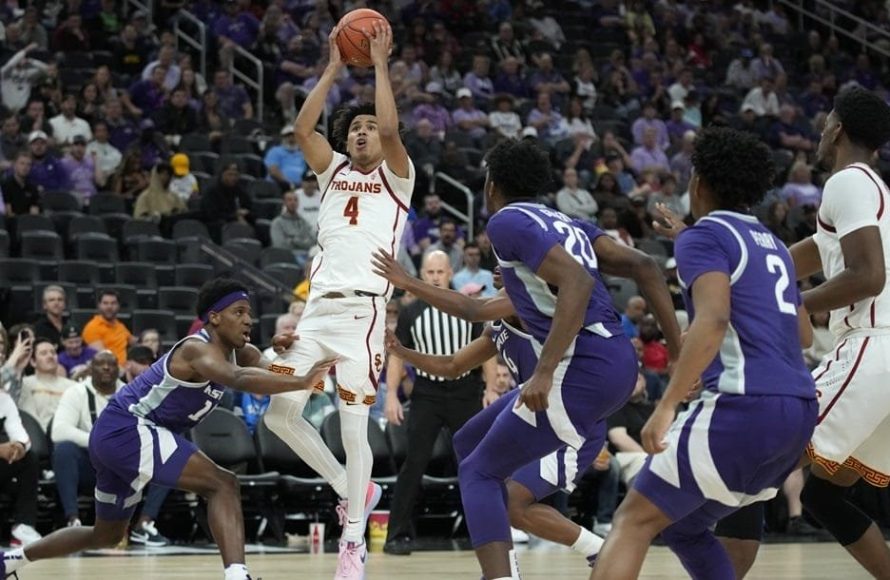
NCAA men’s basketball games are 40 minutes long, divided into two 20-minute halves.
Ever wondered how long are NCAA men’s basketball games? The excitement of college hoops can make it feel like time flies, but the rules are specific. Those intense moments of buzzer-beaters and fast breaks are contained within a set timeframe.
Unlike some other levels of basketball, NCAA games follow a consistent format. This structure helps regulate the game’s flow. The next question might revolve around what goes into those forty minutes of play.

How Long Are NCAA Men’s Basketball Games?
Ever wondered exactly how much time you’ll spend glued to your TV watching college basketball? You’re not alone! Figuring out the exact length of a NCAA men’s basketball game can be a bit tricky, as it’s not always a simple answer. Let’s dive into the details and clear things up. We’ll talk about the standard game length, what can make it longer, and even touch on how it compares to other basketball leagues. So, grab your jersey and let’s get started!
The Standard Game Length
The core of a NCAA men’s basketball game is divided into two halves. Each half is 20 minutes long. This means, that under normal circumstances, a regulation game is supposed to run for 40 minutes of playing time. When you see people talking about a 40-minute game, this is what they mean. Keep in mind, this is just the playing time, and there are other elements that add to the overall length of the game.
Halftime Break
Right in the middle of the action, there’s a break called halftime. This is a chance for the players to rest, coaches to make adjustments, and for fans to grab snacks! Halftime in NCAA men’s basketball is typically 15 minutes long. So, remember to factor that time in when you’re planning your game-watching schedule.
What Makes a Game Longer?
Now, here is where things get a little more complex. While a game should be 40 minutes of playing time plus a 15-minute halftime, the actual duration is almost always longer. There are several factors that extend the time beyond the basics.
Time-Outs
Both teams get to use time-outs during the game. A time-out is when the clock stops, and a coach can talk with their players. These time-outs can be full (around 75 seconds) or short (30 seconds), and the total number varies. Each team is usually allowed a certain amount of time-outs each half and can carry some over to the second half or overtime. They can use time-outs strategically, so there can be many during the game, especially during clutch moments toward the end of the game. The time it takes to complete each time-out adds to the overall game length.
- Full Time-out: Around 75 seconds
- Short Time-out: Around 30 seconds
Fouls and Free Throws
Fouls are an essential part of basketball. When a player fouls another, it can result in a free throw. A free throw involves stopping the game clock, so a player can attempt to shoot the ball into the hoop from a designated spot. When multiple free throws are awarded, or there are many fouls throughout the game, this significantly extends game time.
- Each Free Throw attempt extends the play.
- More fouls means more time stoppage.
Injuries
Player injuries can sometimes happen during a game. If a player gets injured, the game will pause while they get attention from trainers and medical staff. Depending on the injury’s seriousness, this delay could be a few minutes, or, if it’s a serious injury it could add more time to the total game length. No one wants to see players hurt, but the delays are necessary and affect how long a game lasts.
Official Reviews and Replays
With technology in sports, officials often use video replays to make important decisions, particularly in close or critical plays. Reviewing video footage takes time, especially when a decision is not very clear. The replay process adds to the overall length of the game, and many times, the replay can take a few minutes.
- Video reviews can take some time to complete.
- Replay decisions usually occur at critical points in the game.
Overtime
If the score is tied at the end of regulation, the game goes into overtime. Overtime periods in NCAA men’s basketball are 5 minutes each. Depending on the number of overtimes required, this can add a substantial amount of time to the game. In rare instances, teams may need multiple overtime periods to settle the score, resulting in a very long game.
- Overtime period in NCAA is 5 minutes.
- Multiple overtimes leads to longer games.
How Long Does a Real Game Take?
Now that we have covered all the elements, let’s look at the real time of an average NCAA men’s basketball game. Typically, a game, from tip-off to the final buzzer, including halftime and the other stoppages, will take about 2 hours to 2 hours and 15 minutes to complete. This is just an average; some games could finish a bit quicker or go longer than 2 and half hours, especially when there are many time-outs, fouls or overtime. It is important to remember, this is only an estimated range.
Comparison with Other Basketball Leagues
It’s interesting to compare the game lengths in NCAA to other professional leagues, like the NBA (National Basketball Association) and WNBA (Women’s National Basketball Association). While the game structure may be similar, there are slight differences. Let’s take a quick look.
NBA Game Length
NBA games are known for having a slightly longer total length compared to NCAA. While NBA games also have two halves, those are 12 minutes each, adding up to 48 minutes of playing time, and have a 15 minute halftime. Also, NBA time-outs and foul rules can differ slightly and can result in more time added. This generally means that a NBA game is likely longer than an NCAA game. Also, the time-outs in the NBA are longer, adding time to the overall length of the game. In short, expect an average NBA game to take approximately 2 hours and 15 minutes to 2 hours 30 minutes to complete. The range could be more or less depending on the game.
WNBA Game Length
The WNBA game structure is similar to the NBA, with four 10-minute quarters, totaling 40 minutes of play. These games also include a 15 minute halftime. A WNBA game would take about 2 to 2 hours 15 minutes, typically being a bit shorter than NBA games but often similar to NCAA games. They also have similar time-out rules that affect the length of the game.
Factors Affecting the Pace of Play
Besides stoppages in the game that extend game time, there are factors that impact the pace of play and can lead to shorter or longer overall game length. Let’s see some of these factors.
Style of Play
The style of play of each team has a big impact on the flow of the game. Teams that have a fast and run-and-gun style tend to make the game go quicker. There are also some teams that tend to slow the play down and move strategically, which can cause the game to be a longer experience. Teams that focus on a lot of fast break will tend to make the game shorter. So, the style of play of the teams can impact the speed and, therefore, the length of the game.
Officiating Style
The way referees call the game can also make a difference. A ref who calls a tight game with lots of whistles for every foul will cause the game to be longer with more stoppages. Whereas, a ref who tends to allow more contact and not whistle for every small contact can result in less stoppages and a faster game. So, the style and officiating can impact the pace and flow of the game.
Close Games Versus Blowouts
Close games are known for having more time-outs and more strategy. Teams tend to try to be more careful and use every opportunity possible to win the game. Usually, these games take longer. Blowouts, on the other hand, can tend to move quicker. If the score is heavily skewed, the leading team might try to play less aggressively or strategically, while the other team may not spend their timeouts to come back. This can tend to mean a quicker game with few stoppages and a shorter game length.
Tournament Games
Tournament games, especially during March Madness, tend to be more intense. These games have higher stakes and both teams usually are more strategical with their time-outs and tend to be more cautious in how they play. Also, in these tournaments, teams are competing for a chance to win a championship. Because of this, the intensity of the game, the fouls, and the number of time-outs tend to increase the length of the game. Also, tournaments tend to have replay reviews more frequently which can add to the game time. As a result, tournament games tend to be on the longer side.
In conclusion, while a NCAA men’s basketball game has 40 minutes of playing time, you need to plan for around 2 to 2.5 hours in your schedule. This is because many other factors like time-outs, fouls, halftime, injuries, replays, and sometimes overtime, can add extra time to the total game length. So, when you settle in to watch a great basketball game, make sure you are comfortable for a few hours of great entertainment!
Pittsburgh Panthers vs. Duke Blue Devils | Full Game Highlights | ESPN College Basketball
Final Thoughts
NCAA men’s basketball games typically last around two hours. This includes the 40 minutes of playing time, divided into two 20-minute halves.
Timeouts, halftime, and other stoppages add to the total duration. how long are ncaa mens basketball games is a common question.
Ultimately, a full game, including all breaks, usually wraps up in that two-hour window.

