
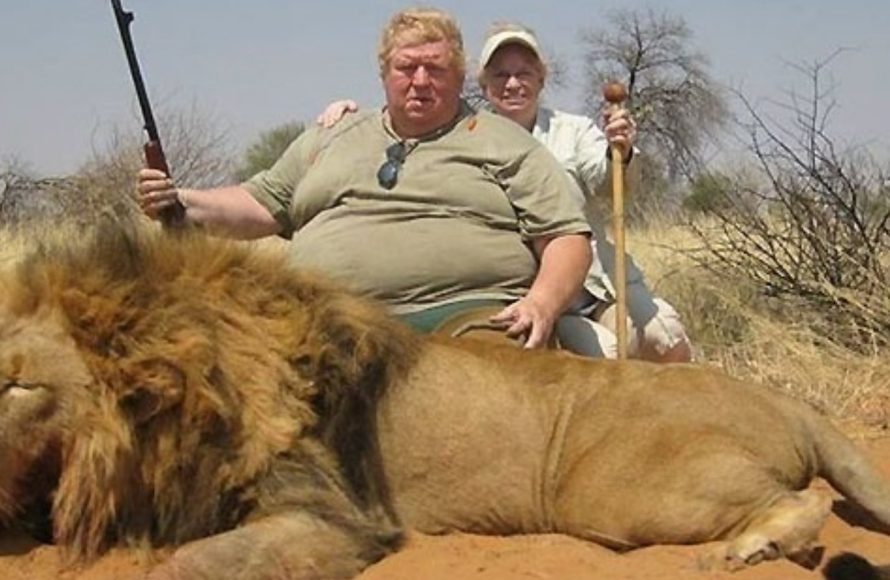
Big game hunting is the pursuit and killing of large animals, often for sport or trophies.
The vast African savanna stretches out, a landscape teeming with wildlife; it makes one wonder, what is big game hunting all about? This practice involves hunting large, often dangerous, animals. People do it for various reasons, from the challenge to the collection of trophies.
It’s a practice that sparks intense debate. Some see it as a necessary part of wildlife management, while others view it as unethical. The impact on animal populations is a constant discussion point.

What is Big Game Hunting?
Okay, let’s talk about big game hunting. It’s a term you might have heard, maybe in a movie or a book, but what does it actually mean? Simply put, big game hunting is the act of hunting large animals. These aren’t your squirrels or rabbits; we’re talking about creatures that are often big, powerful, and sometimes even a little bit scary. Think of animals like lions, elephants, bears, deer, and wild boars. They are often the biggest and toughest animals in their habitats and hunting them requires specialized skills, knowledge, and equipment.
Defining Big Game
So, what makes an animal “big game”? It’s not just about size, although that’s a big part of it. “Big game” typically refers to animals that are hunted for sport, and they usually possess certain characteristics. Here are some common traits:
- Large Size: They are considerably bigger than most common smaller game animals like birds or rodents.
- Challenging to Hunt: These animals require more skill and strategy to track and hunt successfully.
- Often Wild and Untamed: Big game animals are usually found in their natural habitats.
- Historically Significant: Many big game animals have cultural or historical importance, sometimes associated with tradition.
It’s important to understand that the term “big game” can vary slightly depending on the region. What’s considered big game in Africa might be different from what’s considered big game in North America. However, the general idea of large, challenging-to-hunt animals remains the same.
Types of Big Game Animals
Big game animals can be broadly classified by their region. Let’s explore some popular examples:
African Big Game
Africa is famous for its “Big Five” – lion, leopard, elephant, rhino, and Cape buffalo. These animals are not necessarily the largest, but they’re some of the most difficult and dangerous to hunt. There are also other big game animals that people hunt in Africa like:
- Giraffe: Known for their incredible height.
- Hippopotamus: Large semi-aquatic mammals.
- Kudu: A type of large antelope.
- Zebra: Distinctive striped equines.
North American Big Game
North America offers its own array of exciting big game animals including:
- Black Bear: Large omnivores found throughout the continent.
- Grizzly Bear: Larger, more powerful cousins of the black bear.
- Elk: Large members of the deer family.
- Moose: The largest deer species, with massive antlers.
- White-tailed Deer: Extremely common and popular game animal.
- Pronghorn: Fastest land mammal in North America.
- Mountain Goat: Sure-footed climbers living in high altitudes.
- Bighorn Sheep: Wild sheep with impressive curved horns.
- Wild Boar (Feral Hog): A tough and adaptable species, often causing problems.
Eurasian Big Game
Eurasia, including Europe and Asia, has its own unique collection of big game animals:
- Red Deer: Large deer species found across Europe and Asia.
- Brown Bear: A large and powerful bear similar to the grizzly.
- Wild Boar: Found in various parts of Eurasia.
- Ibex: Wild goat species living in mountainous regions.
- Chamois: Another species of goat-antelope living in the European mountains.
Why Do People Hunt Big Game?
There are many reasons why people choose to hunt big game. It’s a practice that’s been around for thousands of years and it carries different meanings and motivations for different people. Here are some of the most common reasons:
- Food: For many hunters, obtaining food is the primary reason for big game hunting. The harvested meat can feed families for a long time.
- Sport and Recreation: The thrill of the hunt, the challenges of tracking, and the outdoor experience are powerful motivators.
- Wildlife Management: In many cases, hunting is a crucial part of managing wildlife populations. Hunting helps keep animal numbers in check, preventing overpopulation and habitat damage.
- Conservation: Some big game hunts can be very expensive, and these fees are often used to support conservation programs. These programs protect the habitat and even the animal populations themselves.
- Tradition: For some communities, hunting is an important cultural tradition. It connects them to their heritage and to the natural world.
The Ethics of Big Game Hunting
Big game hunting is a topic that often sparks passionate discussions and debates. There are strong feelings on both sides, and it’s important to consider the various ethical considerations. These conversations revolve around questions like:
- Fair Chase: Is the hunt done in a way that is respectful to the animal? This includes allowing the animal a fair chance, not using unfair tactics, and avoiding practices that cause undue suffering.
- Sustainability: Is hunting regulated to ensure that animal populations remain healthy? Responsible hunting is essential for wildlife conservation.
- Trophy Hunting: Is hunting primarily for a trophy or for meat? The motivation behind hunting is important and often a point of contention.
- Animal Welfare: Do hunters take every precaution to ensure a quick and humane kill? It’s important to minimize suffering for the animal during the hunt.
These questions do not always have easy answers and often depend on individual values and perspectives.
How Is Big Game Hunting Done?
Big game hunting isn’t just a matter of grabbing a gun and walking into the woods. It requires a great deal of preparation, knowledge, and skill. Let’s examine some key aspects:
Equipment and Gear
The tools and gear used in big game hunting are important for safety and success. Here are some essential items:
- Rifles or Bows: Big game hunting typically requires firearms or bows with enough power to take down large animals humanely.
- Ammunition: The appropriate caliber and type of ammunition is crucial for an effective hunt.
- Binoculars or Scopes: Essential for spotting animals at a distance.
- Knives: Necessary for field dressing and processing the game.
- Clothing: Appropriate clothing and gear for the weather and environment are important.
- First Aid Kit: Crucial for any outdoor activity.
- Navigation Tools: Maps, compasses, and GPS devices can help hunters find their way.
Hunting Techniques
Different hunting techniques are used depending on the type of game and the terrain. Some of these include:
- Spot and Stalk: Locating animals from a distance, then carefully approaching within shooting range. This requires patience and stealth.
- Still Hunting: Moving slowly and silently through the woods, looking for signs of animals. This technique requires a lot of quiet movement.
- Tracking: Following animal tracks in the snow, mud, or sand. Tracking requires a lot of skill to know what animals made the tracks.
- Ambushes: Hiding near animal trails or feeding areas.
- Using Calls: Attracting animals by imitating their sounds.
Licenses and Regulations
Big game hunting is not unregulated; it is heavily managed by local and federal governments. Hunters must be aware of and abide by all the rules and regulations in place. Some important things to consider include:
- Licenses: All hunters need a valid hunting license.
- Permits: Specific permits are often required for big game animals.
- Hunting Seasons: There are specific times of year when you are allowed to hunt certain animals.
- Bag Limits: Hunters are usually only allowed to harvest a limited number of each type of animal.
- Weapon Restrictions: Some areas restrict the types of firearms or bows that can be used.
These regulations are in place to protect wildlife populations and ensure that hunting is done safely and ethically. Failure to follow these rules can result in penalties, including fines and jail time.
The Role of Conservation in Big Game Hunting
It’s important to understand that ethical and well-regulated big game hunting often plays a crucial role in wildlife conservation. Here’s how:
- Funding for Conservation Programs: License fees and hunting taxes often directly fund conservation programs, which go to protect wildlife and habitat.
- Population Control: Hunting helps maintain a balance in animal populations, preventing overpopulation. This prevents overgrazing of habitats.
- Habitat Management: Hunting often supports land management, which protects areas and prevents habitat loss.
- Research and Data Collection: Data from hunting is used to study wildlife population numbers, health, and the impact of the environment.
When managed responsibly, big game hunting can be an important tool for preserving wildlife for future generations.
The Future of Big Game Hunting
Big game hunting is an ever-changing practice, influenced by various factors. Some trends and challenges include:
- Increasing urbanization: As more people move to cities, fewer people have the opportunity to hunt.
- Changing perceptions: Society’s views on hunting can change over time.
- Habitat Loss: Loss of natural areas is a serious threat to big game animals.
- Climate Change: Global warming is already impacting wildlife habitats.
- Technological advancements: New technologies are constantly changing how hunting is done.
Responsible hunters and conservationists will need to work together to address these issues and to ensure the future of big game hunting and wildlife.
So, as you can see, big game hunting is more than just chasing large animals. It involves a complex interaction of skill, tradition, ethical considerations, and an important connection to the natural world. It’s important to be aware of these details to form your own informed opinion. The practice carries a complex story that includes a long history and ongoing debates, but when done right, it can play a valuable role in wildlife management and conservation.
Male Lion Charge. Dangerous Game Hunting.
Final Thoughts
Big game hunting involves pursuing large animals for sport. Hunters often target species like elephants, lions, or bears. This activity requires specific skills and equipment.
Ethical considerations always surround big game hunting. Conservation efforts often tie into this activity too. Many argue it can manage populations.
Ultimately, what is big game hunting is the practice of hunting large animals. It presents complex issues requiring careful thought.

