
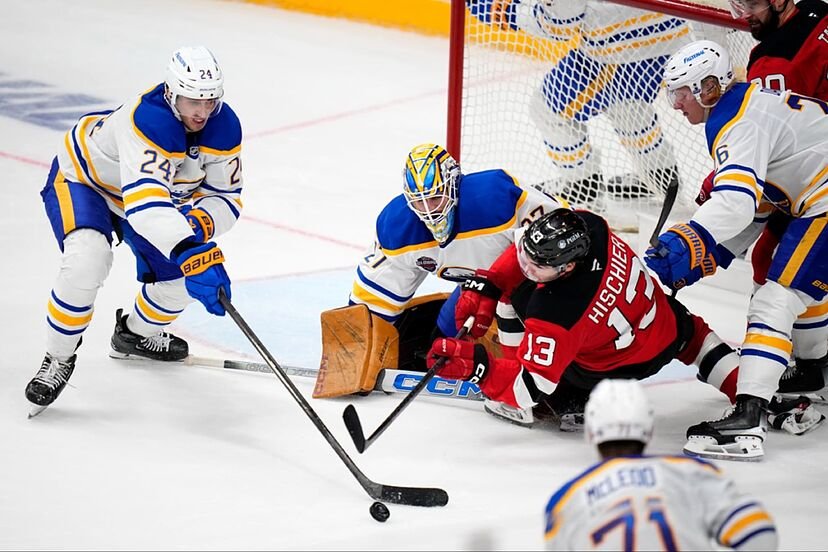
Pro hockey games typically last around 2.5 to 3 hours, including intermissions.
Ever wondered about the actual time commitment when settling in to watch a fast-paced pro hockey match? The question of “how long are pro hockey games” pops up frequently for new and seasoned fans. It’s more than just the action on the ice.
Game duration includes the three 20-minute periods of play. There are also the two intermissions that occur between periods. These breaks allow players to rest and teams to strategize.

How Long Are Pro Hockey Games?
Okay, so you’re wondering about how long those exciting pro hockey games last, right? It’s a great question! It’s not just one simple answer, because lots of things can make the game go longer or shorter. Let’s dive into all the details about the time it takes for a professional ice hockey game to play out. We will talk about regular playtime, intermissions, what happens in overtime, and even penalty time. Let’s get started!
The Basics: Standard Game Time
At its core, a standard professional hockey game, like in the National Hockey League (NHL), is made up of three periods. Each period is exactly 20 minutes long. This is what we call “stop-time.” That means the game clock only runs when the puck is in play. If the puck goes out of play, if there’s a penalty, or when a goal is scored, the clock stops. This stop-time is the reason why games can take much longer than a simple 60 minutes of clock time.
The Three Periods
- First Period: 20 minutes of playing time.
- Second Period: Another 20 minutes of playing time.
- Third Period: The final 20 minutes of regulation playing time.
So, if you just looked at the time of the periods, you would think a hockey game is only 60 minutes long, but it’s more than that! There are also intermissions.
Intermissions: Breaks Between the Action
Intermissions are important breaks between the periods. They give players a chance to rest, and coaches a chance to talk to their team about strategies. They also give the ice crew time to resurface the ice. It’s important to have good ice for a fast-paced game like hockey.
Intermission Duration
- First Intermission: Usually 18 minutes long.
- Second Intermission: Usually 18 minutes long.
During intermissions, you might see some fun things happening on the ice! There could be little games or contests. It’s a great time to go get some food or use the restroom. Don’t forget to visit a team store if you are at the arena, and buy your favourite team’s jersey.
Calculating the Core Game Time
If we add up the three periods (20 minutes each) and the two intermissions (18 minutes each), we start to see how long a pro hockey game really is. Here’s the breakdown:
Three periods of 20 minutes each equals 60 minutes (20 minutes x 3 periods = 60 minutes).
Two intermissions of 18 minutes each equals 36 minutes (18 minutes x 2 intermissions = 36 minutes).
Total time, if there was no other delay: 60 minutes + 36 minutes = 96 minutes.
So, just the standard game play and intermissions will take roughly 96 minutes. But, games are usually longer than that. Why is that? Well, keep reading to see more ways a hockey game can take up more time.
Game Delays: More Time Added
Several things can make a hockey game take more than the standard time. These delays can range from minor to major.
Penalties
When a player breaks a rule, they get a penalty. Depending on the rule, a player may have to sit in the penalty box for two minutes, four minutes, or even five minutes. All the time during this penalty, the game clock stops. This can add minutes onto the overall game time, especially if there are many penalties during the game.
Puck Out of Play
When the puck leaves the playing area, the game clock stops. This is called a “puck out of play.” Play stops while the officials get the puck back and ready to play. This usually does not add a large amount of time to a game, but it does add to it.
Injuries
If a player gets hurt, the game clock stops while the player gets medical help. Sometimes, if the injury is serious, medical professionals need to come onto the ice and make sure the player is safe. These pauses can take a few minutes and add more to the game’s overall time.
Video Review
Sometimes, the referees use video replay to see if a goal was valid. They use replay to make sure that no rule was broken. This is the video replay, if referees use video reviews, this can take some time which can add up to the total game time.
Other Delays
There are a few other minor things that can stop the game. Things like equipment issues, ref conferences, or a net being knocked off its moorings can delay the game. Although these stoppages may not be a long delay, they still add to the overall time of a game.
Overtime: When the Game is Tied
What happens when the score is tied after all three periods? It means it is overtime! Overtime rules differ a bit depending on whether you are watching a regular season game or a playoff game. Let’s break it down.
Regular Season Overtime
In the regular season, if the game is tied, the teams play an extra five minute period. This is a three-on-three overtime (three skaters for each team, plus a goalie) that is all about the action! If there is a goal during the overtime, the game ends right away. The team that scored the goal wins. If no one scores during the overtime, the game moves into a shootout.
A shootout is a way of picking a winner. In the shootout, each team sends out a player to try to score on the other team’s goalie. The team with the most successful shots wins the game. Each team gets three tries and then if it’s still tied, it goes to a sudden death situation where one goal wins.
Playoff Overtime
Playoff games are different. If a playoff game is tied after three periods, they play a full 20 minute overtime period. The teams play at full strength with five players and a goalie for each team. They keep playing these full 20 minute overtimes until one team scores. These can go on for multiple overtime periods until a winner is determined! Playoff overtimes can make a hockey game much, much longer!
Game Length Variation: No Two Games are Exactly the Same
Because of all the potential delays and overtime possibilities, the overall length of professional hockey games can vary significantly. On average, a typical NHL game will take around two and a half hours to three hours. Some games are shorter, and others can go far beyond that. Let’s look at reasons for all of the possible game lengths:
Factors Causing Shorter Games
- Few Penalties: Games with few penalties will move quicker. Less time is spent with stopped time.
- Minimal Injuries: Games with no or few injuries will reduce interruptions.
- No Overtime: If a game is not tied at the end of the third period, it does not go to overtime. This means the game will not add the extra time.
Factors Causing Longer Games
- Lots of Penalties: Games that have lots of penalties can add lots of extra time with delays and stoppage.
- Many Injuries: Injuries that require medical attention will increase the game’s overall time.
- Overtime: If a game goes to overtime, it can take an extra 5 minutes (regular season) or more (playoffs) until a goal is scored. Games can go well beyond the three hours mark with multiple overtime periods.
- Video Reviews: Multiple reviews can add time to the game’s length.
So, as you can see, it all really depends on the game. It is not an exact science, but a typical game will take two and a half to three hours. When a game goes into overtime, or has a lot of penalties, the game can go well beyond that time frame.
How Other Leagues Compare
While we’ve focused a lot on the NHL, it’s good to know that other leagues operate with similar time structures. Other professional leagues or high level amateur leagues, both in North America or Europe, often follow the same 20-minute period format, with variations in overtime rules. However, the specific length of intermissions or the frequency of stoppages may differ slightly from league to league.
Understanding how long pro hockey games last helps fans plan their time and appreciate the game’s flow. You now know that while the game has 60 minutes of actual playing time, all the breaks, penalties, and other factors make the game last longer. So, next time you’re watching a pro hockey game, you will have a much better idea of what to expect in terms of game length.
The Rules of Ice Hockey – EXPLAINED!
Final Thoughts
So, how long are pro hockey games? Typically, they last around 2.5 to 3 hours, including intermissions. This accounts for the three 20-minute periods of play and the breaks in between. Penalties, video reviews, and stoppages can all add to the total duration.
Knowing how long a game is helps you plan your evening. Expect the hockey games to run within that 2.5 to 3 hour window. So, you know what time to be there!

