
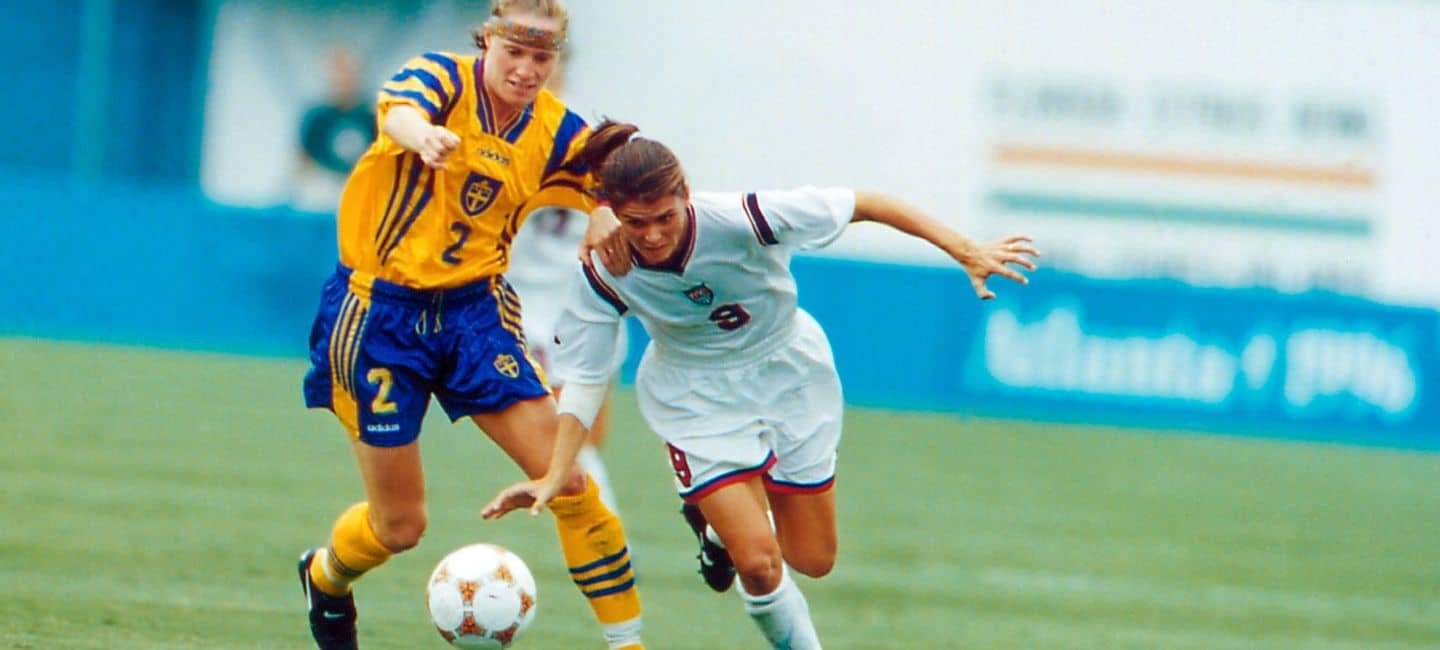
Soccer games in the Olympics are 90 minutes long, divided into two 45-minute halves, with a 15-minute halftime break.
Ever wondered how long are soccer games in olympics? The excitement of Olympic soccer matches is undeniable, but the exact duration of a game can sometimes be confusing for new viewers. Unlike some tournaments, the Olympic format sticks to standard regulations.
Knowing the specific time frame of these matches helps fans plan their viewing schedules. With the clock ticking down the action is always intense and knowing the timeframe is key. The consistent length adds to the sport’s global appeal.

How Long Are Soccer Games in Olympics?
Alright, let’s dive deep into the exciting world of Olympic soccer and figure out exactly how long those matches last. You know, when the best teams from around the globe come together to battle it out for that shiny gold medal, time becomes a really important factor. It’s not just about who’s the most skilled; it’s also about who can keep going for the whole match. So, let’s break it down and get all the details about soccer game lengths in the Olympics.
Standard Match Duration in Olympic Soccer
Okay, so the first thing to know is that most of the time, an Olympic soccer game follows the rules of standard soccer (or football, if you prefer). This means each game is divided into two halves, with a short break in the middle. Here’s the breakdown:
- Each half is 45 minutes long.
- There’s a 15-minute halftime break between the halves.
- This adds up to a total of 90 minutes of playing time.
But wait, there’s more! Like in most soccer games, this isn’t always exactly 90 minutes of actual, ball-in-play action.
Added Time (Injury Time)
You might have heard soccer commentators talking about “added time” or “injury time.” This is extra time that the referee tacks on at the end of each half. This extra time accounts for any stoppages during the game, like injuries, substitutions, or even when the ball goes out of play and it takes a while to retrieve it. The referee decides how much time to add based on what happened during those 45 minutes. Sometimes it is just a minute or two, and other times it might be five, six, or even more! This is why a soccer match can sometimes seem to last a bit longer than you were expecting, and it’s a big part of what makes each game unique and suspenseful. Because, of course, goals can be scored even in added time!
Extra Time and Penalties in Olympic Soccer
Now, things can get a little more intense in the Olympic knockout stages. What if the game is tied after those 90 minutes plus added time? Well, that’s where extra time and penalty shootouts come into play.
Extra Time
If the score is level after the regulation time and added time in a knockout game, the game goes into extra time. Here’s how extra time works:
- Extra time is divided into two 15-minute halves.
- There is a short break between these extra time halves, where players can get some rest, have a drink, and hear some instructions from their coaches.
- If, after the 30 minutes of extra time, the score is still level, the game goes to a penalty shootout.
Think of this extra time like a bonus round—it’s the team’s last chance to avoid going into a penalty shootout, which is super nerve-wracking! It’s also a test of fitness, and mental toughness, as players try to make one last push to get a goal.
Penalty Shootouts
Penalty shootouts are how they decide the winner if the score is still tied after extra time. Here’s the basic idea:
- Each team takes turns trying to score a penalty shot. This means a player stands on the penalty mark and shoots a free shot against the opposing team’s goalkeeper.
- Usually, five players from each team take penalty shots to start.
- If the score is still tied after five penalty shots by each team, then it goes to a sudden-death situation. Each team keeps taking a shot until one team scores and the other misses.
- The team that scores more penalties than the other wins.
Penalty shootouts are like the most dramatic part of the game, and the pressure on the players is immense! It often comes down to luck and who can keep their cool when it matters the most.
Why Does it Matter How Long Soccer Games Are?
Understanding how long soccer games are is really important for players and fans alike. For players, they need to be trained and prepared to play for 90 minutes, potentially 120 minutes, plus extra time, and possibly penalty kicks. This takes a lot of physical strength and endurance. For fans, it helps plan your viewing schedule and understand how much time you need to set aside for a game. It also means that you can follow along with the ebb and flow of the match and get the full, intense experience.
Impact on Player Performance
The duration of soccer games plays a significant role in player performance. Players need a high level of physical stamina, tactical knowledge, and mental focus to perform their best throughout an entire match. The possibility of extra time means they must prepare for a longer, more challenging game. Soccer is not only a game of skill and strategy, but also of endurance and tactical substitution.
- Stamina: Players have to be incredibly fit to last the 90 minutes, or even potentially longer if there is extra time. They need to keep running, sprinting, and changing direction over a sustained period.
- Focus: It’s not just about physical ability. Maintaining concentration is vital, so players can make key decisions and use their skills effectively, even at the end of the match when they are tired.
- Tactical Adjustments: Coaches often make strategic substitutions as the game goes on to adjust to the game’s dynamics, ensuring that fresh players are on the field and can keep the team running at their best.
Impact on Spectators
For fans, understanding the structure of a soccer game is equally important. Knowing when a match starts and how long it’s likely to last helps with planning. Whether you are watching from home or at a stadium, you’ll want to set aside the proper time. Knowing about the potential for extra time and penalties adds to the excitement and suspense. This means you’ll be ready for any surprises the game has in store. It will also mean that you know when to take a break for snacks, and that you don’t miss any of the important parts of the match.
- Time Management: Knowing the match’s duration helps viewers allocate their time accordingly, ensuring they don’t miss crucial moments.
- Planning: Spectators can plan other activities around the match timings, whether they’re watching at home or attending the game.
- Enjoyment: Understanding the structure of the match enhances the viewing experience by allowing fans to fully immerse themselves in the game’s flow.
Olympic Soccer vs. Other Soccer Tournaments
You might be wondering if the game lengths in the Olympics are the same as in other soccer tournaments. The basic rules about 45-minute halves, 15-minute halftime, added time, extra time, and penalty shootouts are very similar to what you’d see in many other professional soccer games around the world. However, there are some variations in rules, particularly in youth soccer where the match lengths might be shorter. But for senior-level professional games, the structure is pretty consistent across different competitions.
General Consistency
Here are a few important points about the consistency of match length rules:
- FIFA Rules: Most professional soccer tournaments and matches follow the rules set out by FIFA (the international governing body of soccer). So, when you see an Olympic game, a World Cup match, or a Champions League game, you’ll be looking at similar time structures.
- Professional Leagues: National leagues around the world (like the English Premier League, Spain’s La Liga, or Germany’s Bundesliga) also play matches with the same format: 45 minute halves, 15 minute halftime, added time, extra time and penalty shootouts if required.
- Youth Soccer: Rules and match lengths can be different for younger players. For youth games, halves can often be shorter (for example, 30 minutes) to account for young players having less stamina and endurance.
Variations
While the basic format is generally constant, minor differences may occur in specific competitions:
- Referee Discretion: The referee has the final say on how much added time to play, which can create variability across different games.
- Special Rules: Some tournaments may have their own unique rules or tie-breaking methods, but for Olympic soccer and most international tournaments, extra time and penalty shootouts are always how a tied knockout game is settled.
Quick Recap: Key Time Elements in Olympic Soccer
To make it extra clear, let’s run through the main points we’ve covered:
- Standard Match: 90 minutes of play (two 45-minute halves with a 15-minute break).
- Added Time: Extra minutes added at the end of each half to make up for stoppages.
- Extra Time: 30 minutes of play (two 15-minute halves) if the score is tied in a knockout game.
- Penalty Shootout: Used to decide the winner if the score is still tied after extra time.
So, when you tune into an Olympic soccer match, you now know how long you’re in for, and why those times can sometimes feel longer because of the tension and drama of the game!
Understanding these timings is essential for a complete viewing experience. Whether you’re a player preparing for a match or a fan getting ready to cheer on your team, knowing exactly how long the match is planned for is something that can make a big difference. This knowledge helps everyone appreciate the physical and mental challenges that the players face.
And that’s everything you need to know about the duration of soccer games in the Olympics! It’s a complex and exciting aspect of the beautiful game. From the 90 minutes of standard playing time, through added time, extra time, and penalty shootouts, every second counts.
Why only young players can play the Olympics 🤔
Final Thoughts
Olympic soccer matches, like standard professional games, consist of two 45-minute halves. There is also a 15-minute halftime break. This format ensures consistency and familiarity for players and viewers alike.
Extra time, comprising two 15-minute periods, applies if scores are level after regulation. Penalty shootouts happen if the score stays tied after extra time. So, the answer to ‘how long are soccer games in olympics’ is primarily 90 minutes, possibly extending with extra time.

