
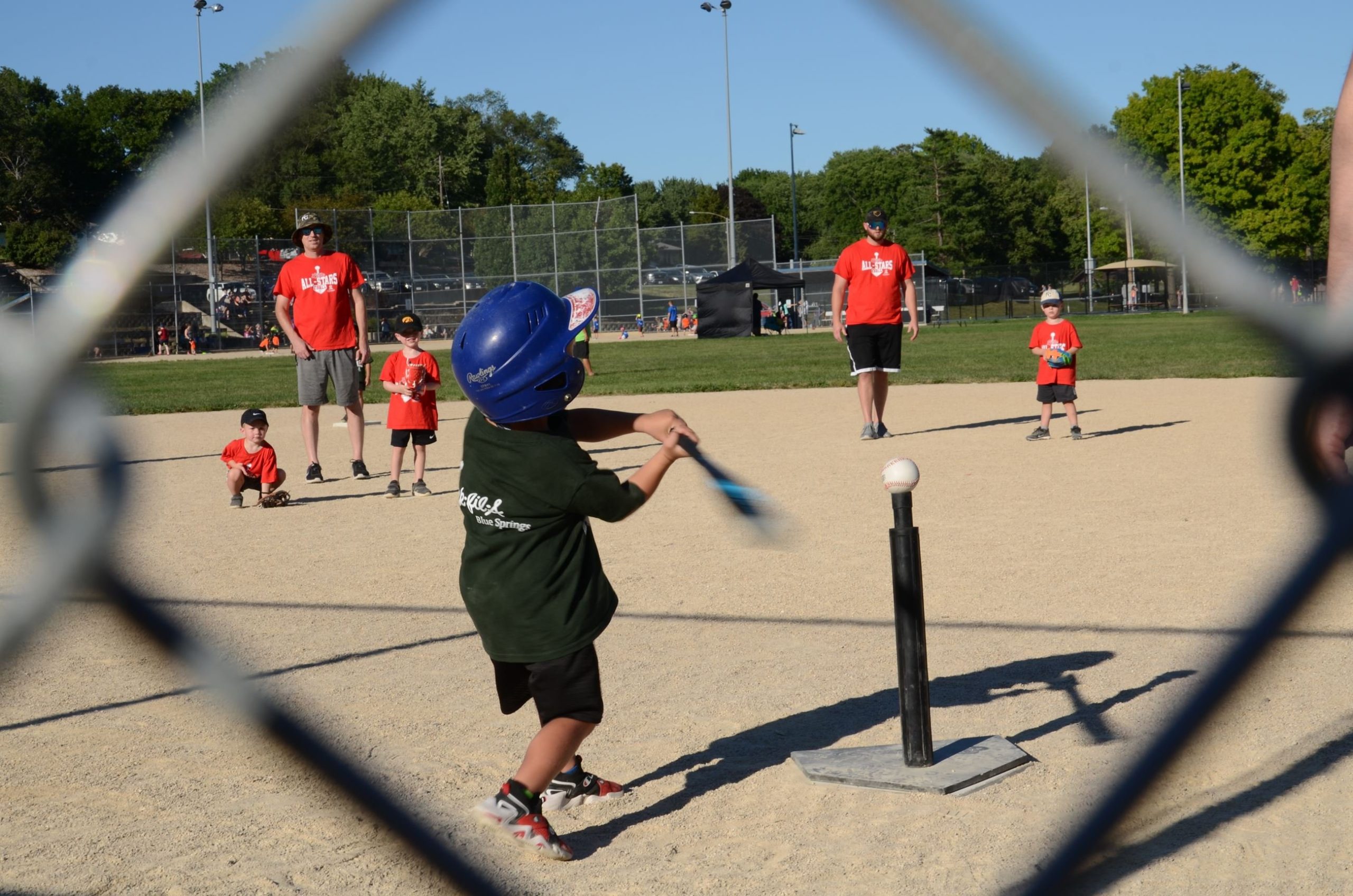
T-ball games typically last about one hour.
Ever wondered, “how long are tball games?” It’s a common question for parents new to the sport. T-ball serves as an introduction to baseball, keeping things short and fun for young players.
The game is structured to maintain their attention. Games do not usually run longer than an hour. This allows young children to participate without fatigue.
So, the next time you are heading to the field, expect about an hour of t-ball action.

How Long Are T-Ball Games?
Okay, so you’re thinking about signing your little slugger up for T-ball, or maybe you’re already knee-deep in the fun and chaos! One of the first questions parents (and maybe even the kids!) often ask is: “How long are these T-ball games anyway?” It’s a super valid question because let’s face it, little ones have short attention spans, and we want to make sure everyone has a good time without getting too worn out. The answer, like a lot of things with kids, isn’t exactly one-size-fits-all, but we can definitely explore the typical time frames and what factors influence the game length. Let’s dive in!
Typical T-Ball Game Length: The Basics
Most T-ball games aren’t marathons, thankfully. They are designed to be short and sweet, keeping the young players engaged and energetic. Generally, you’ll find that T-ball games last anywhere from 45 minutes to 1 hour and 15 minutes. That’s a pretty good window of time for a bunch of 4 to 7-year-olds to run around, swing bats, and learn the basics of baseball without getting totally wiped out.
However, it’s important to remember that these are just general guidelines. Many leagues have specific rules in place. To know the exact time, its always best to check with your local league or coach.
Understanding Innings and Time Limits
Unlike older leagues with nine innings, T-ball usually plays with a limited number of innings or a time limit, or both. This system helps ensure games don’t drag on too long, which is helpful for everyone involved.
Number of Innings
Typically, a T-ball game will consist of 3 to 5 innings. This means that each team gets to bat that number of times during the game. It’s a much shorter format than your typical baseball game, and it’s perfect for the short attention span of the age group. The number of innings is often a predetermined rule of your local league. This predetermined rule may also depend on the number of children on the roster and the number of teams that will play at the ballfield on a given day.
Time Limits
Some leagues, instead of focusing solely on the number of innings, might implement a time limit. For example, they may say, “The game will last a maximum of 60 minutes.” This ensures that games don’t go on forever, even if the teams haven’t completed all the scheduled innings. When a time limit is in place, the game ends when the time is up, regardless of what inning they are in. Time limits are helpful when there are multiple games scheduled to take place on the same baseball diamond.
Factors That Influence Game Length
So, we know that typical T-ball games run between about 45 minutes and a little over an hour. But several things can impact the actual duration of the game. Here are the key factors:
- League Rules: Every league has its own specific rules. Some leagues might stick strictly to a certain number of innings. Others might utilize a time limit, while others may use a combination of both. The league’s focus is also a determining factor. Some leagues might focus more on teaching the game, while others might want to move through games quicker. Knowing your league’s rules is the best way to determine the game time.
- Number of Players: The number of players on each team can definitely affect the length of the game. A team with a lot of players means more kids will be batting, which means that game can take longer than planned.
- Number of Coaches on the field: Some T-Ball leagues allow the coach to help the child tee up the ball or place the ball on the tee. Other leagues have coaches in the field helping the children to field the ball and get the child to the base. When a coach has to assist the players, the game can take longer.
- Pace of Play: Let’s be real, getting a bunch of little ones to focus and move quickly can be like herding cats. Sometimes, kids are a little slower to get ready to bat or run around the bases. When this happens, games may take longer. If coaches are able to move players along quickly, the game can move along quickly.
- Breaks and Delays: Sometimes you’ll have small delays, like needing to tie a shoe or help a player find their glove. These little things can add up and affect the overall time of the game. In most T-Ball leagues, there aren’t any scheduled breaks. Breaks might be needed when it’s hot outside or if the children get tired, but again, there isn’t a set scheduled break.
- Skill Level: The skill level of players can impact the length of a T-ball game. For instance, if a lot of kids are having a hard time hitting the ball or are slower at running around the bases, the game will likely take longer than a game where most of the kids are hitting the ball well and running quickly. The skill level also comes into play in the field. If the players aren’t quickly fielding the ball, the game could take longer.
- Weather Conditions: Bad weather, like rain, can cause delays or cancellations, leading to a longer day overall. Or, extremely hot days might also lead to a longer time on the field. The league may need to implement more breaks to keep the players from overheating.
Sample T-Ball Game Schedules
To paint a clearer picture, let’s consider some examples of how game times might play out:
Example 1: Time Limit Game
- League Rule: Games have a 60-minute time limit.
- Game Start: 10:00 AM.
- Actual Play Time: The team bats through 3 innings. However, the 60-minute timer goes off at 11:00 AM.
- Game End: 11:00 AM.
- Total Game Time: 1 hour.
Example 2: Innings Limit Game
- League Rule: Games are 4 innings long.
- Game Start: 9:00 AM
- Actual Play Time: The team plays through 4 full innings.
- Game End: Approximately 9:50 AM.
- Total Game Time: Roughly 50 minutes.
Why Short Games are Best for Little Ones
You might wonder why T-ball games are relatively short. There’s a good reason for it! Here’s why short T-Ball games work best for the age group:
Maintaining Attention Spans
Little kids have short attention spans. Asking them to focus on a baseball game for more than an hour is a tall order! Short games keep them engaged and interested without them getting bored.
Avoiding Over-Tiredness
Physical activity can tire little ones out quickly. A long T-ball game could leave them exhausted. A shorter game lets them enjoy the activity without overdoing it.
Keeping it Fun
The main goal of T-ball is to introduce kids to baseball and have fun! Short games keep things fun and ensure that they want to play again.
Age-Appropriate Structure
The structure of T-ball, with its shortened games and simplified rules, is designed specifically for children aged 4 to 7. It’s tailored to their abilities and developmental stage.
Tips for Parents During Game Time
As a parent, you’ll probably be on the sidelines cheering your little one on. Here are some tips to help make the experience enjoyable for everyone:
- Come Prepared: Bring snacks and drinks for your child and yourself. Sunscreen and hats are also important for sunny days. A small blanket or chair is helpful too.
- Be Patient: Remember, these are young children learning the game. Be patient with them, with the coaches, and with yourself.
- Stay Positive: Offer encouragement, whether your child gets a hit or swings and misses. Positive feedback makes a big difference!
- Celebrate the Effort: Focus on the effort that the kids are putting in rather than just the results. Applaud their attempts and their improvement.
- Get Involved (If You Can): If the league needs assistance, volunteer as a coach or help out on the sidelines. This is a great way to be more involved and supportive.
The Importance of Flexibility
Remember that T-ball is about learning the basics of the game and having fun. It’s not about achieving perfection or setting records. So, be flexible and go with the flow. If a game runs a little longer, that’s okay. And if it gets cut short due to weather, that’s okay too. The most important thing is that the kids are enjoying themselves.
Beyond the Game Time
While the time spent on the field during the actual game is the focus here, T-ball involves more than just game day. Consider the following aspects when planning your child’s T-ball experience:
Practice Times
Most teams will also have a practice day scheduled each week. Practices usually last around 45 minutes to an hour. During practice, the coach will teach the kids new skills and allow them to practice skills they have already learned. Practices often take place in the evening after school. The actual time of the practice depends on the coach and the availability of the baseball field.
Travel Time
Remember to consider travel time to and from the fields when planning your child’s T-ball experience. Games and practices could be held at a field that is a drive from your home. Also keep in mind the traffic in the area during the time that you plan to travel to the field. You’ll also need to factor in time to get your child ready to go to games and practices.
Post-Game Celebrations
Some teams might choose to have small celebrations after games, such as a quick snack or a team cheer. These can add some extra time to your overall T-ball experience. It is best to plan for a little extra time after the game, just in case the team decides to celebrate.
Overall Time Commitment
When you put it all together, your overall T-ball time commitment will likely involve the following: practice time each week, time for games each week, travel time to and from the baseball field, time to get your child ready to go to the games and practices, and time that might be needed for post-game celebrations. Keep these things in mind when planning for the T-ball season.
In Conclusion
So, while the length of T-ball games can vary slightly, they’re generally designed to be age-appropriate and fun. The typical time you can expect to spend on the field ranges between 45 minutes to about an hour and fifteen minutes. Remember that league rules, the number of players, weather, and skill level can all impact the overall duration of the game. The real key is to approach T-ball with a focus on fun and learning, knowing that your little one will be getting some great exercise and developing new skills along the way. Now, go out there and enjoy those games!
How Long Are Little League Baseball Games? – The Baseball Xpert
Final Thoughts
T-ball games typically last around one hour. The exact duration can vary, depending on the number of innings played. Time constraints or specific rules of leagues also affect the length.
Game length for younger t-ball players may be shorter. They might play fewer innings for instance. Knowing the league’s rules helps answer “how long are tball games.”

