
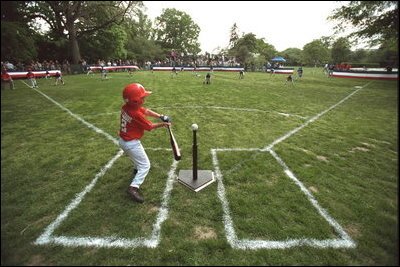
Tee ball games typically last between 1 to 1.5 hours, though this can vary slightly based on league rules and the number of innings played.
Planning your Saturday morning around a tee ball game? It’s common to wonder how long are tee ball games, especially when you’ve got other activities lined up. You want to make sure you can fit everything in.
The good news is that these games are intentionally shorter than other baseball levels. They are designed to keep young players engaged and prevent them from getting tired. Games usually aim for a specific number of innings or a time limit.

How Long Are Tee Ball Games? A Deep Dive
Tee ball is often a child’s first introduction to the exciting world of baseball. It’s all about learning the basics, having fun, and maybe even hitting a few balls off that stationary tee! But one question that often pops up for parents and new coaches alike is: how long are tee ball games? Unlike professional baseball, which can stretch on for hours, tee ball games are designed to be much shorter and more engaging for young children with shorter attention spans. Let’s explore the ins and outs of tee ball game duration, looking at all the factors that play a role.
Typical Tee Ball Game Length
Generally, a typical tee ball game lasts between 1 and 1.5 hours. However, this isn’t a strict rule. Several things influence the actual length of a game, which we will explore. The focus is always on letting the kids have fun and learn, not on sticking to a rigid schedule like you might find in older leagues. The goal is to keep the game moving at a pace suitable for young athletes, keeping their engagement high, and avoiding boredom. So, while you can expect most games to fall within that 60- to 90-minute timeframe, there are variations.
Factors Affecting Game Duration
Several factors can affect how long a tee ball game will actually run. Understanding these factors can help you plan your schedule and expectations. Here’s a closer look:
Number of Innings
One of the main determinants of a game’s length is the number of innings played. Unlike traditional baseball’s nine innings, tee ball games usually have fewer, with most leagues opting for 3 to 5 innings. The league or organizing body generally establishes these guidelines before the season starts.
- 3 Innings: This is a shorter option, often used for very young teams or when time is limited. It’s great for keeping younger players focused and energized.
- 4 Innings: A common length, offering a good balance between playing time and not overtaxing the kids.
- 5 Innings: Sometimes used for older tee ball divisions or when time allows, provides more playing opportunities.
Time Limits
Many tee ball leagues use time limits in addition to or instead of a set number of innings. Time limits are implemented to keep the game on schedule, especially when multiple games are played back-to-back on the same field. A common time limit is around 1 to 1.5 hours from the start of the game. Once the time limit is reached, the current inning is usually finished, and the game is over, regardless of how many innings have been played. This ensures that games don’t run too long and interfere with the schedule.
Number of Players
The number of players on each team can influence game duration. Having more players on a team can lead to longer innings. This is because it takes longer for each player to bat, and the time spent in the field catching and throwing increases, potentially adding minutes to the game. To keep things moving, some leagues limit the number of batters who go up to bat each inning and some coaches will use a set of substitutions to make sure every child gets equal play time.
League Rules and Specific Guidelines
Each local league can have its own particular rules that impact game length. These rules may include limitations on pitch counts for coaches pitching, time limits per inning, or unique procedures for base running. It’s essential to review these guidelines before the season begins, so you understand how game length could be affected by these specifics of the local league rules.
- Some leagues may have a “maximum number of runs per inning” rule to help speed up the game.
- Others may utilize a “play until everyone bats” rule that stops the inning when all players have had an opportunity to bat instead of using the traditional three outs.
The Pace of Play
The pace at which the game unfolds is another important factor in game duration. Tee ball players, being young, are often learning. There may be pauses in the action for coaching or encouraging and this is normal and very much part of the learning process. Coaches often help kids position themselves, explain the rules again and provide encouragement, and all of this can add to the game time. The important thing is to create a positive and learning environment, but coaches should always try to maintain a reasonable pace to help finish the game within its time limits.
Breaks and Transition Times
The breaks between innings and transition times also have an impact. Teams will need some time to get from their position on the field to the dugout and for the next team to get on the field. Although these are brief, the time does add up. Efficient transitions will contribute to keeping the game running smoothly.
Weather
Weather conditions can definitely change the game duration. Rain delays can make a game much longer or cause it to end early. Extreme heat may also lead to shorter games or the addition of breaks. Coaches and leagues may alter their plans or schedules according to the weather to keep the players safe and make their playing experience enjoyable.
Why are Tee Ball Games Shorter?
There are many important reasons why tee ball games are shorter than other baseball games, all centered around the needs of young children.
Attention Spans
Young children generally have shorter attention spans. A long, drawn-out game can cause them to become restless and disengaged, which defeats the purpose of playing tee ball, as it’s mainly about introduction, learning and fun. By keeping the games shorter, the children are more likely to stay focused and enjoy the experience.
Physical Stamina
Young children also have lower physical stamina than older kids and adults. Playing for an extended period can lead to exhaustion, which isn’t ideal for their development. Shorter games prevent overexertion, allowing kids to remain energetic and enthusiastic during the game.
Focus on Fun and Development
Tee ball is primarily about fun, learning and development rather than intense competition. The primary aim is to introduce the basic rules of baseball, improve motor skills, and teach teamwork, all in a fun and supportive environment. Longer games may make the game more competitive or tedious for young children, losing their attention. Shorter games keep the focus on learning and having fun, which is the best way to encourage participation and a love for the game.
Age-Appropriate
The structure of tee ball games is designed to suit the age of the players. Everything about tee ball, from the use of a tee to the shorter game times, is meant to accommodate the unique needs and abilities of young children. By keeping the games short, the kids learn the fundamentals without any pressure or boredom.
Tips for Managing Tee Ball Game Time
Whether you’re a coach or a parent, there are many ways you can help keep tee ball games running smoothly and within their designated time.
- Arrive on time: Ensure that all team members arrive on time for the start of the game. This avoids any delays and ensures the game can start on time.
- Prepare efficiently: Coaches should organize their equipment, including bats, balls, helmets and other items, ahead of time to avoid any last minute rush.
- Keep transitions quick: When switching from the field to the dugout, coach the team to do it quickly and efficiently.
- Limit distractions: Encourage players to stay engaged and focused during the game.
- Communicate with parents: Coaches should communicate with parents about the game schedule, including start and end times. Informing parents ahead of time allows them to make any other arrangements in the daily schedules and ensure the child’s pickup is right on time.
- Emphasize fun: Make sure the game is fun. When kids are having fun and enjoying, they are more likely to stay engaged.
- Be flexible: Understand that tee ball games can go on for a little longer or can finish sooner due to different factors. It’s always good to maintain flexibility.
Tee Ball Game Length Comparison with Older Baseball Leagues
It’s important to understand how tee ball game lengths compare to other baseball leagues. Here’s a brief comparison:
| League | Typical Game Length | Number of Innings |
|---|---|---|
| Tee Ball | 1 to 1.5 hours | 3 to 5 innings |
| Coach Pitch | 1.5 to 2 hours | 6 innings |
| Little League (ages 9-12) | 2 to 2.5 hours | 6 innings |
| High School Baseball | 2 to 3 hours | 7 innings |
| Professional Baseball (MLB) | 3+ hours | 9 innings |
As you can see, the length of games increases as the players get older and have more experience. This increase in duration mirrors the increase in skill level and attention span.
Importance of Proper Time Management
Proper time management during tee ball games is essential for keeping the kids engaged and ensuring that everyone has an enjoyable experience. Overly long games can make children feel fatigued and disheartened, whereas, a game that’s too quick can feel incomplete. By keeping games within a suitable time frame, we’re making the sport enjoyable for everyone, from players to coaches to the supporting parents and families, so we can create positive early memories of their time spent in the sport. This can also help foster a lasting love for baseball and other sports for the kids.
Understanding the duration of tee ball games is key to making the most of the experience for both players and parents. While the typical game will last between 1 and 1.5 hours, factors like the number of innings, time limits, the number of players, pace of play, breaks and weather can change the length. Remember, tee ball is all about having fun, learning the basics and developing teamwork. Keep these factors in mind to ensure that all the players enjoy their time on the field.
5U Tball Player
Final Thoughts
Generally, tee ball games last around one hour. However, this time can vary slightly. The specific rules of the league and the number of innings played often influence the duration.
Ultimately, game length focuses on keeping young players engaged. The priority remains fun and skill development, rather than strict time limits. ‘How long are tee ball games’ varies but a quick hour is the most common answer for this first experience of baseball for the young players.

