
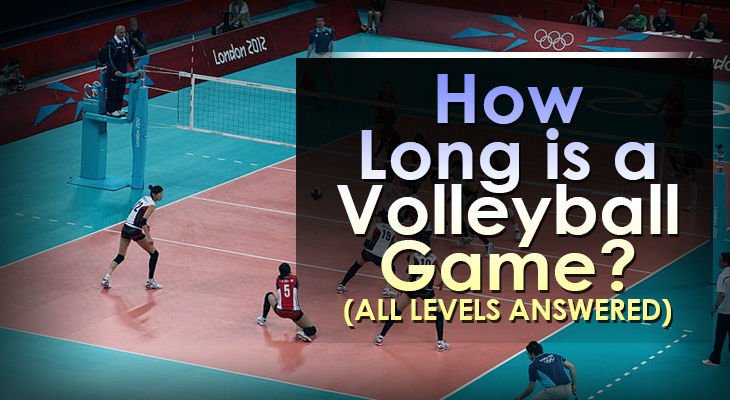
Volleyball games typically last between 60 and 90 minutes, though they can be shorter or longer depending on how many sets are needed.
Ever wondered how long you’ll be glued to the court when watching a volleyball match? It’s a common question for newcomers and even seasoned fans alike. The duration of play can vary, keeping things interesting. Knowing the general timeframe helps in planning your day around these exciting sporting events.
So, exactly how long are volleyball games? Well, the length can fluctuate based on the number of sets played. Generally, you can expect a match to fill about an hour or more of your schedule.

How Long Are Volleyball Games?
Okay, let’s dive right into it! You’re probably wondering just how much time you need to set aside to watch or play a volleyball game. The answer isn’t as simple as saying “it’s always one hour.” It actually varies depending on a few things, kind of like how long it takes to bake cookies – it depends on the recipe! We need to explore the different types of volleyball, the number of sets played, and even the level of play to get a good understanding of game length. So, buckle up, and let’s learn all about volleyball game timing!
Understanding Volleyball Sets and Scoring
Before we talk about time, it’s super important to understand how volleyball games are scored. Instead of a clock running the whole time, volleyball uses a system of sets and points. Think of a set like a mini-game within the bigger game. Usually, a team needs to win a certain number of sets to win the entire match. The first team to reach a certain number of points, by scoring after each rally, wins a set. Let’s check the typical setup:
Winning a Set: Most of the time, a team wins a set by reaching 25 points, but they also need to win by at least two points. So if it’s tied at 24-24, they would need to reach 26 to win.
Winning the Match: The number of sets needed to win a match depends on the type of volleyball.
Usually, in competitive play, they have to win three sets out of five.
Sometimes a match is only three sets, and you need to win two to take the win.
In some situations, like tournaments, you could even see a best-of-seven match or even a single-set match.
Knowing this scoring system is key to understanding how the time of a match can change.
Factors That Influence Volleyball Game Length
Okay, let’s look at the main factors that decide how long a volleyball match will actually be:
The Type of Volleyball
Not all volleyball games are the same. The rules and the format can change, and that changes the length of the match.
Indoor Volleyball: This is the most common type you see in schools, colleges, and professional leagues. Matches are typically best of five sets, and this usually leads to longer games.
Beach Volleyball: Played on sand with only two players per team, beach volleyball matches are generally best of three sets. Since there are fewer players, rallies can be longer and more tiring, but the overall match time is often shorter than indoor games.
Sitting Volleyball: A form of volleyball for athletes with disabilities, sitting volleyball matches follow the same best-of-five set format as indoor volleyball, but game time can vary depending on the players’ abilities. The average game time is generally a bit longer as rallies tend to be extended.
The Level of Play
The experience level of the players can change how long a volleyball game takes.
Youth and Recreational Volleyball: Games at these levels are usually shorter. Players are still learning the skills, and rallies tend to be quicker. Matches can often wrap up in under an hour.
High School and College Volleyball: At these levels, players are more skilled, and the games are more competitive. Rallies are longer and more strategic, leading to longer matches that can last from one to two hours or even longer.
Professional Volleyball: Professional matches feature highly skilled players, and they go on for longer. Strategic rallies, substitutions, timeouts, and the best-of-five set format mean these can go for up to three hours or more sometimes, though an average time would be closer to two to two and half hours.
Number of Sets Played
As mentioned before, the number of sets needed to win also significantly impacts the time.
Best of Three Sets: If a match is best of three, it’s going to be shorter. Winning two sets is all that’s needed, so a game might last around 45 to 90 minutes, depending on how quickly teams win the sets.
Best of Five Sets: Best-of-five matches require winning three sets, and therefore can take a lot longer. This type of match will most likely take over one hour and might extend to two hours or even more.
Single Set Matches: There may be some single set matches, typically within a tournament format. These tend to be far quicker, taking less than 30 minutes to play.
Timeouts and Other Interruptions
Game time is not just active play. There are also breaks in the play that add time to the total length.
Timeouts: Each team gets a limited number of timeouts per set, which can add several minutes each game. A match with a lot of timeouts will definitely last longer.
Injuries and Substitutions: Any significant injuries will obviously stop play, with delays that vary depending on the severity. Additionally, frequent substitutions also add to the time, as the play must stop.
Between-Set Intervals: There is a short break between each set, and the game clock stops during this time. All these pauses add up during the course of a match, and contribute to the total time.
Official Reviews: In some games, if a call is questioned by the coach and there are video replay facilities, the game will also be halted to allow for an official review.
Average Volleyball Game Lengths: A General Guideline
While exact times can change, here’s a general idea of how long different kinds of volleyball games usually take:
Recreational/Youth Volleyball: 45 minutes to 1 hour
High School Volleyball: 1 hour to 1 hour and 45 minutes
College Volleyball: 1 hour and 30 minutes to 2 hours and 15 minutes
Professional/International Volleyball: 2 hours to 3 hours (sometimes longer)
Beach Volleyball: 45 minutes to 1 hour and 30 minutes
Sitting Volleyball: 1.5 hour to 2.5 hours
Remember, these are just averages. Any given match can be shorter or longer depending on the factors we’ve talked about.
Impact of Rallies on Game Duration
The length of rallies is one of the big factors that can change game time. Long, exciting rallies where both teams play great defense will use up a lot of time. The more back-and-forth exchanges you see, the longer the game tends to be. In contrast, if one team is overpowering the other and winning points quickly, the game will wrap up faster.
Here’s a simple way to understand it:
Long Rallies: Longer match time because each point takes longer to earn.
Short Rallies: Shorter match time as points are scored quickly.
Examples of Variations in Game Length
Let’s look at how specific game scenarios can affect time:
A Quick Match: Imagine a high school volleyball game where one team is very strong, and the other is still learning. The strong team might win three straight sets easily, with lots of ace serves and quick spikes. This game could be over in less than an hour.
A Long and Tense Match: Now picture a professional game with two evenly matched teams. Each set is close, going back and forth to 25 points and sometimes even going into extra points. They end up going to five sets, and the game is filled with long, intense rallies, and multiple timeouts. This game could easily go on for more than three hours.
Here is an additional simple table:
| Game Scenario | Potential Length | Key Factors |
| ———————– | ————— | ————————————————————————————– |
| Uneven High School Game | Less than 1 hour | Strong team, quick rallies, few timeouts |
| Competitive High School Game | 1 hour and 15 minutes to 2 hours | Closer scores, longer rallies, some timeouts |
| Professional/Intense Game | 2 hours to 3+ hours | Many close sets, long rallies, frequent timeouts, possibly multiple official reviews |
| Quick Beach Volleyball | 45 minutes to 1 hour | Fewer players, less complex tactics, fewer timeouts |
| Long Beach Volleyball | 1 hour to 1 hour and 30 minutes | Close scores, long rallies, some timeouts |
How Time Affects Players and Coaches
The length of a volleyball match also affects the people on the court and on the sidelines.
Players: Long matches can be physically and mentally tiring. Players have to be in top shape to play hard for that long. They need great stamina, quickness, and focus to stay at their best. During long matches, players need to take care of hydration, take breaks when possible, and use their experience to be smart about when to push hard and when to conserve energy.
Coaches: Coaches have to be ready to make strategic decisions throughout the match. If a match is very long, they might make more substitutions to keep their players fresh and to respond to the tactics of their opponents. They must also keep their teams motivated and focused as matches drag on.
Tips to Manage Time During Volleyball Games
Whether you are a player, coach, or simply a fan, here are some tips to make the best use of your time during a volleyball game:
For Players:
Stay hydrated and well-nourished.
Warm up properly before matches.
Use timeouts effectively to rest and refocus.
Be strategic in how you play each point and when to use all your energy.
For Coaches:
Plan strategies for both short and long matches.
Use substitutions effectively to keep players fresh.
Manage the team’s mindset and momentum throughout the game.
Utilize timeouts to make tactical adjustments and communicate with your team.
For Fans:
Be prepared for the game to last varying lengths of time.
Come ready to enjoy the game no matter how long it lasts.
Be supportive and positive through the match.
Bring water and snacks if it’s a long event.
So, the question of how long volleyball games last has a lot of answers, but there are definite patterns and factors that influence the length of each game. There are several different formats of the game, from beach volleyball, to indoor, and even sitting volleyball, and these, combined with the level of play, all influence the length of the match. Whether you’re playing a short game or watching a marathon match, knowing these factors helps you be prepared for what’s ahead. The most important thing is to enjoy the excitement and fun of volleyball, no matter how long the match is!
Longest Point Ever!?!?!?!? | Big Ten Volleyball
Final Thoughts
Volleyball game length varies. A typical match takes about 60 to 90 minutes. This time frame includes intermissions and set breaks.
However, a five-set match can extend beyond two hours. Factors such as timeouts and the speed of play affect the final duration. Therefore, the exact answer for how long are volleyball games isn’t fixed.

