
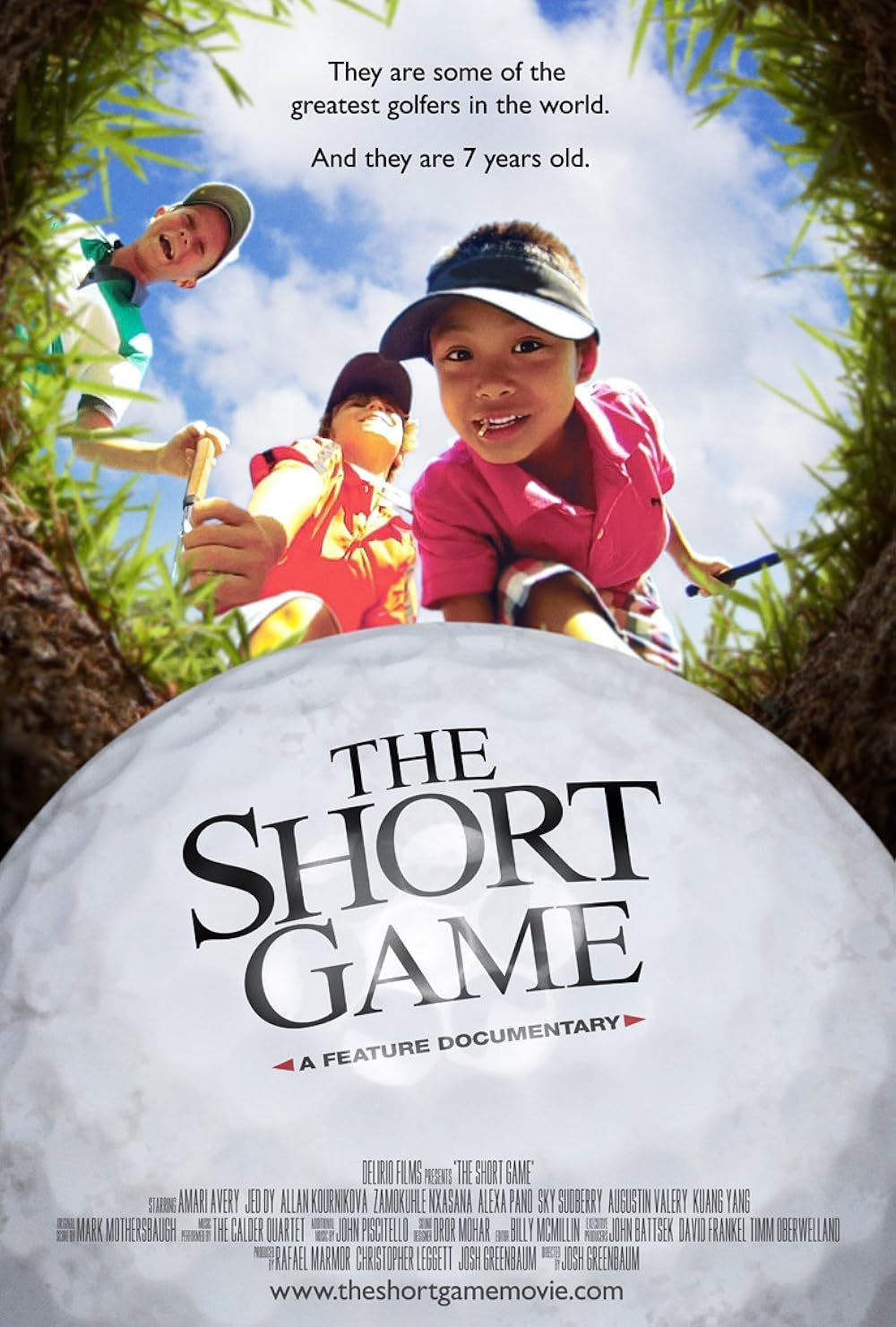
The short game in golf encompasses all shots played around and on the green, including putting, chipping, pitching, and bunker play.
Ever wondered what separates good golfers from great ones? It often comes down to the delicate art of scoring near the green. This brings up a common question, what is the short game in golf? It’s not just about hitting a big drive.
The short game really focuses on the finesse shots required to get the ball close to the hole. It requires careful touch and precise control. These shots demand a different skillset and mental approach than long drives.
This is why many find it to be the key to improving scores. Learning and practicing your short game can greatly impact your overall game.

What is the Short Game in Golf?
Okay, let’s talk about the short game in golf. You know, the part of golf that isn’t about hitting the ball super far off the tee? It’s actually a super important part of the game! It’s all about what happens when you’re close to the green and need to get the ball into the hole. It’s where a lot of strokes are gained or lost, and it’s a part of golf where practice really pays off. Think of it like the final steps of a puzzle – if your short game is strong, you’ll finish the puzzle quickly and efficiently. The short game includes chipping, pitching, putting, and bunker play. It’s about finesse and control instead of power. Let’s dive deeper into each of these essential elements.
The Core Components of the Short Game
The short game is not just one single thing. It’s made up of several different skills, and each one requires its own focus and practice. These skills work together to help you get the ball from close to the green and into the hole with as few shots as possible. Let’s break down the key areas:
Chipping: The Low and Running Shot
Chipping is a low, short shot that sends the ball rolling along the ground for a good distance. It’s used when you’re very close to the green, maybe just a few yards off the edge. Think of it like a tiny, gentle swing where your goal is to get the ball onto the green and rolling towards the hole like a bowling ball. You’re not trying to get the ball up in the air too much. For most chips, the ball will spend more time rolling on the ground than it does flying in the air. A good chip can help save a lot of strokes.
Key characteristics of a chip:
- Low ball flight.
- Mostly roll, less air.
- Use a shorter swing than a pitch.
- Aim for the landing spot, not the hole.
- Choose a club based on the distance and the ground conditions.
Pitching: The Higher, Softer Shot
Pitching is different from chipping. It is a higher shot that travels through the air before landing softly on the green. Pitching shots are used when you are a little farther away from the green than when you chip, and there is something in between you and the green, like rough or a small hazard. The goal of the pitch is to get the ball up and over the obstacle and then have it land softly and stop near the hole. It’s a more significant swing than a chip, with more loft and backspin so that the ball doesn’t run out too much when it hits the green. A well-executed pitch can help you stick the ball right next to the flag.
Key characteristics of a pitch:
- Higher ball flight than a chip.
- More air time, less roll.
- Longer swing than a chip.
- Requires more wrist hinge than a chip.
- Choose a club based on distance, the height needed to clear obstacles, and the desired amount of spin.
Putting: The Art of Rolling the Ball into the Hole
Putting is the most delicate part of the short game. It’s all about rolling the ball across the green and into the hole. Putting can seem simple, but it really needs the most focus. This is where you want to be steady and very precise. Good putting requires a very consistent stroke and good judgment of how much power you need to apply. You’ll have to read the greens, understanding the slopes and how they’ll make the ball curve. A great putter can save several strokes each round!
Key characteristics of putting:
- A smooth, pendulum-like stroke.
- Minimal wrist movement.
- Good alignment of putter face and stance.
- Reading the green’s slope to judge speed and direction.
- Consistent tempo for accurate distance control.
Bunker Play: Getting Out of the Sand
Bunkers are sand traps on the golf course and they can be tricky places to be! Getting the ball out of a bunker is a special skill in the short game. It requires using a sand wedge, swinging, and hitting behind the ball. The sand actually propels the ball out of the trap. You need to use a specialized club and have a specific technique to get the ball out of the sand and onto the green and then you must try to get it close to the hole. It is not as simple as just scooping the ball out with the club, so it requires practice to master the sand trap and become good at it.
Key characteristics of bunker play:
- Using a sand wedge with a wide sole.
- Opening the clubface slightly.
- Hitting the sand behind the ball.
- Creating an explosion of sand to propel the ball.
- Aiming for a specific landing spot on the green.
Why the Short Game is So Important
Why is all this important? Because the short game is where golfers of all levels can truly improve their scores. Many amateurs focus a lot on getting those long drives, but the short game is where most shots are lost. Think about it: how often do you have a perfect drive to the middle of the fairway? Probably not very often. But you are much more likely to be around the green and need to use your short game. A good short game can fix a poor tee shot and will always reduce the number of strokes it takes to finish a hole. Think of it as the secret weapon to having better scores.
Here’s a breakdown of why the short game is essential:
- Saves strokes: A strong short game means you can save strokes around the green, meaning you need fewer shots to get the ball into the hole. This translates to lower scores.
- Reduces frustration: Not being able to get the ball close to the hole with your short game can be frustrating! Good short game skills will reduce this and make golf more enjoyable.
- Improves consistency: Practicing your short game makes you a more consistent golfer. The more you practice, the more reliable your shots will be.
- Makes you a better all-around player: A good short game makes up for any errors made in long shots. When you combine good distance with a solid short game, you become a better golfer overall.
- More control: The short game is all about control. The ability to control how far and how high the ball goes is very important. It will help you in any golf situation.
Practicing the Short Game
You can’t just read about the short game and instantly be great at it. You need to practice. This is where most golfers can improve very quickly. Make time to work on these skills regularly and you will see your scores start to drop. It is best to break your practice time down into different parts. You could focus on chipping one day, then putting the next, and so on. Here are some practical ways you can improve your short game:
Dedicated Practice Time
Set aside time specifically for short game practice. Don’t just focus on hitting long drives. Spending 20 to 30 minutes working on short game techniques each time you go to the range can be more useful than spending an hour only focusing on driving. Try spending a good portion of your range time focused on chipping and putting.
Specific Drills
Use specific drills to help improve your short game. For example:
- Chipping: Practice hitting different distances, using different clubs. Try to land the ball in a specific area on the green.
- Pitching: Set up targets, then try to get the ball to land as close to the targets as you can. Experiment with different swing speeds.
- Putting: Try placing a tee a couple of feet in front of a hole on the practice green and try to roll the ball through the tee before hitting the hole. Try to work on long and short putts.
- Bunker shots: Draw a line in the sand, then practice getting the sand and the ball out of the sand in the same spot each time.
Practice on Different Surfaces
The way the ball reacts on grass versus in sand is very different. Practicing on different surfaces makes you a more versatile player. Try to practice on different types of grass and different conditions so you are used to the way the ball responds in each situation.
Keep Track of Your Progress
Use a notebook or golf app to track your practice sessions. Notice what worked and what didn’t work, so you can learn from your practice. This method will help you see your progress and it will motivate you to continue to work hard to get better. The more you understand about your game, the better you can focus on improving.
Club Selection for the Short Game
Choosing the right golf club is very important for the short game. The club you pick will affect how high the ball goes, how far it travels, and how much it rolls. Here is a general idea of what clubs you could use for different short game shots, but this might change depending on your skill level and the course you are on. The best way to know what club to use in each situation is to practice with each of them.
Chipping Clubs
When chipping, you’ll generally use clubs with less loft. Here are a few options:
- Pitching Wedge (PW): A very versatile club, good for when you need the ball to get into the air slightly, but not too much, before it rolls toward the hole.
- Sand Wedge (SW): Good for when you need a little more loft than a pitching wedge. It could be good for getting the ball up and over the fringe of the green and then rolling onto the surface.
- 8-Iron or 9-Iron: Some golfers like to chip with irons. They give you good control and will make the ball roll more than it flies in the air.
Pitching Clubs
When pitching, you’ll typically use clubs with more loft:
- Sand Wedge (SW): This is a good choice because it has a wide sole which will help it slide through the grass or sand on the way to the ball.
- Lob Wedge (LW): This club will launch the ball high into the air for a shot that lands gently with little roll. This will be good for a very short distance over an obstacle on the way to the green.
- Gap Wedge (GW): A gap wedge is in between a sand wedge and pitching wedge. It is used for shots in between the distance of these two clubs.
Putting Clubs
When putting, you’ll always use a putter. But there are different types of putters you can choose from. Here are a few types of putters you could select:
- Blade Putter: This putter has a flat, simple head that gives the player good feel.
- Mallet Putter: This type of putter has a larger head, and it is good for a straighter stroke and for stability.
- Mid-Mallet Putter: These are a good option if you like features of both blade and mallet putters.
Bunker Clubs
For the bunker, you’ll want a sand wedge (SW) as it is designed to move through the sand and help propel the ball out. Sand wedges have wider soles and a good bounce angle, which helps the club to glide through the sand.
The Mental Side of the Short Game
Golf is not just about physical skills, it’s also about your mindset. The short game requires a lot of focus and patience. Being calm, confident, and focused is just as important as having good technique. A positive mindset will reduce your frustration and allow you to keep trying to get better. Here are some things to keep in mind when it comes to the mental game:
- Be patient: The short game takes practice. Be patient with yourself and allow yourself to learn and get better over time.
- Stay confident: Believe that you can make the shot. Having confidence in your game and your abilities will go a long way.
- Focus on your routine: Do the same thing before each shot. Having a routine will help you stay focused and consistent.
- Be positive: Keep a positive attitude and focus on your goals.
The short game is a critical part of golf. Improving your skills in chipping, pitching, putting, and bunker play can make a big difference in your scores. It requires practice, patience, and a good understanding of the techniques. By focusing on these key areas, you’ll be well on your way to improving your golf game and having more fun on the course.
Tiger Woods and Scottie Scheffler's Short Game Masterclass | TaylorMade Golf
Final Thoughts
The short game in golf encompasses all shots played around the green. These shots include putting, chipping, pitching, and bunker play. Success here directly translates to lower scores. A good short game needs practice and precision.
Therefore, what is the short game in golf? It’s the crucial area where players save strokes. Improving this area makes a significant difference. Consistent practice develops the necessary skills.

