
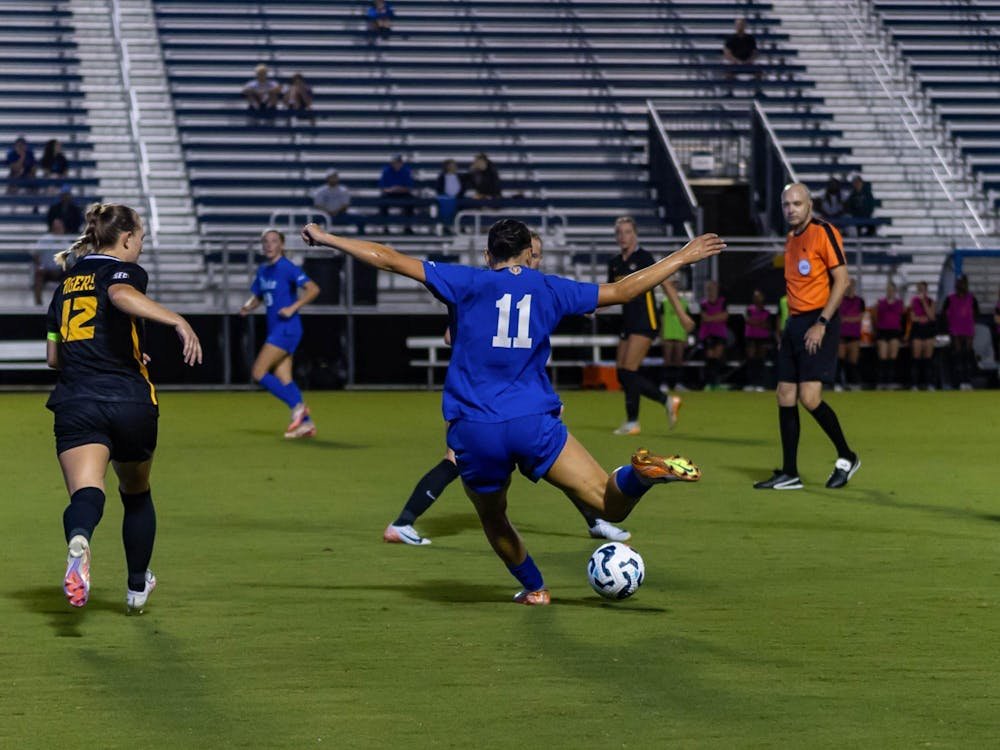
Women’s college soccer games are typically 90 minutes long, divided into two 45-minute halves, with a halftime break in between.
Ever wondered how long you’ll be cheering on your favorite team? The excitement of college soccer can be consuming. So, how long are womens college soccer games, exactly? It’s a common question for fans and those new to the sport.
The standard length is the same as most professional matches around the world. This helps maintain a similar pace and strategy to the game. The regulation time allows for plenty of action and drama, providing a true test of skill and stamina.

How Long Are Women’s College Soccer Games?
Ever wondered how much time players spend on the field during a women’s college soccer match? Well, it’s not just a free-for-all of running around! There are rules that dictate exactly how long a game lasts. Let’s dive into the specifics of game length, the different parts of a match, and other time-related elements you might see in a women’s college soccer game. Knowing this can really help you understand and enjoy the sport even more.
The Standard Game Length: 90 Minutes
The main thing to remember is that a standard women’s college soccer game is 90 minutes long. This 90 minutes is split into two equal halves, each lasting 45 minutes. Between these two halves, there’s a break, usually referred to as halftime. It’s important to know this structure is very similar to professional soccer games around the world, which helps players prepare for the next level. So, if you’re planning to watch a match, you’ll want to set aside at least 90 minutes, plus time for the break and any extra time, which we will talk about later.
Halftime: A Much-Needed Break
After the first 45 minutes of play, the players get a chance to rest and re-energize. Halftime is typically a 15-minute break. This time is crucial for players and coaches. Coaches will give the players feedback on their performance, and might even adjust the strategy for the second half. Players use this time to hydrate, catch their breath, and get any necessary medical attention. For fans, it’s a good opportunity to visit the concession stand, stretch, or talk about the exciting moments of the first half. A well-used halftime can really make a difference in a team’s performance during the rest of the game. It’s not just a break, but a strategic period.
Understanding Stoppage Time (Added Time)
You might have noticed that sometimes a soccer game goes on for a bit longer than 90 minutes. This is because of something called “stoppage time,” or “added time.” The official timekeeper doesn’t stop the clock every time the ball goes out of play, or a player is injured. Instead, they track these delays and add extra minutes onto the end of each half. This added time aims to make the actual time of playing close to 90 minutes, as the clock keeps ticking even when the game has to pause due to these circumstances.
Why is Stoppage Time Needed?
- Injuries: If a player gets hurt and needs medical attention on the field, that time is added to the end of the half.
- Substitutions: When players are switched out, there is usually a brief pause in play, and those pauses are accumulated.
- Wasted Time: If a team wastes time by taking longer on set pieces or for any other reason, the referee may add time.
- Other Delays: Any other situations that cause a pause in play can contribute to added time.
So, while a women’s college soccer game is usually 90 minutes long, it’s common for matches to go a few minutes longer due to added time. The amount of added time varies greatly depending on what happens during the match. There might only be one minute added at the end of one half, or, on occasion, it can be more depending on the number of stoppages.
What Happens When There’s a Tie?
In college soccer, unlike some professional leagues, not every game needs a winner. If the score is tied after 90 minutes (plus any stoppage time) during a regular season game, the game ends in a draw. However, during postseason tournaments and playoffs, you can’t have a draw. When a postseason game is tied, there is a need to continue playing until a winner is decided.
Overtime and Golden Goal
If a game is tied at the end of regulation time in a playoff match, the teams play an extra time, or overtime. This extra time is divided into two 10-minute periods. These overtime periods are played in full, unlike the Golden Goal rule used by some other soccer organizations in the past. If a team scores during this extra time period, the game does not stop at that point. This means that if a team scores one goal, it does not automatically mean that the game will end. They have to play the entire 10 minutes to provide an opportunity for the other team to score as well.
Penalty Shootouts
If the game remains tied after the two 10-minute overtime periods, the game proceeds to a penalty shootout to determine the winner. This is a series of shots taken by players from the penalty spot. Five players from each team take a shot, and the team with more successful shots is declared the winner. If the teams are still tied after five rounds, the shootout continues in a sudden-death format, where the first team to score while the other misses wins the match. This can sometimes lead to a thrilling, and nerve-wracking finish for both the players and fans.
Factors Influencing Game Length
While the standard length of a women’s college soccer game is 90 minutes, several other factors can influence the overall duration of a match. These include:
- Weather Conditions: On very hot days, the referee might call for extra water breaks. This can add a few minutes to the game, due to stoppages. In extreme conditions, the match might even be suspended for a while.
- Game Intensity: If a game is very physical with lots of fouls, there will be more stoppages, leading to more added time at the end of each half.
- Substitutions: More substitutions mean more stoppage of play.
- Serious Injuries: If a player suffers a serious injury and medical personnel needs more time, it can considerably increase the added time.
These factors can make the game length unpredictable, so it is good to be prepared to watch a bit longer than 90 minutes.
How Game Timing Differs from Other Levels
It’s interesting to compare women’s college soccer to other levels of the sport. For instance, high school games are typically shorter than college games, and professional matches often have different rules for overtime and penalty shootouts. These variations provide different experiences for players as they move through different levels in soccer.
High School Games
High school soccer games are usually shorter, often consisting of two 40-minute halves. There are less time needed for these games because high school players are less physically developed than college players. This shorter timeframe also allows for more games to be played during the season.
Professional Women’s Soccer
Professional women’s soccer, like the NWSL (National Women’s Soccer League) in the USA, also follows a 90-minute game with a 15 minute halftime. However, the added time might be slightly different based on different interpretations of the rules. Professional leagues typically follow FIFA rules closely, which also means more consistent timekeeping.
Another key difference between college and professional is how ties are handled. In the NWSL, for instance, there are some matches, especially in playoffs, where extra time and penalty kicks are used to determine the winner if tied after 90 minutes. In the regular season, they can end in a draw. However, there are differences in these extra times and penalty kicks compared to college level games.
Youth Soccer
Youth soccer game lengths vary significantly depending on the age group. For very young children, games might only be 40 or 50 minutes total, divided into shorter periods with frequent breaks. As children grow older and their stamina improves, the lengths of games and halves are increased accordingly.
Tips for Watching College Soccer
Here are a few things to keep in mind when watching women’s college soccer:
- Arrive Early: Get to the stadium a bit before the start time to avoid any rush, find good seats, and enjoy the pre-game atmosphere.
- Stay Hydrated: Whether you are a player or spectator, it is important to drink lots of water, especially on hot days.
- Be Patient: Remember, the game is 90 minutes long, but there might be added time, overtime, or even penalty kicks. Be ready to stay a bit longer if needed.
- Enjoy the Game: College soccer is filled with action and passion. Enjoy the excitement of each match!
- Understand the Rules: Knowing about game length, stoppages, and overtime rules will help you appreciate the strategies that are applied during a game.
- Follow the Time: When you are at the stadium, you will likely see the clock counting up the time of the first half, and reset for the second half. This helps you follow how long the game has been going.
By understanding how long the games are, you will be able to plan properly and follow along with all the action of women’s college soccer. Whether you’re a seasoned fan or new to the game, being aware of these details can greatly improve your overall experience!
Knowing that the standard length of a women’s college soccer game is 90 minutes, with a 15-minute halftime, is just the starting point. Understanding how added time works, and what happens during the overtime in the playoffs, brings the entire story together. The game of soccer has a lot of components to it, and now you are much better prepared to enjoy any women’s college soccer game!
UCLA vs. UNC: 2022 Women's College Cup finals | FULL REPLAY
Final Thoughts
College women’s soccer matches consist of two 45-minute halves. A 15-minute halftime break separates the halves. The total scheduled match time is 90 minutes, not including any added stoppage time.
So, how long are womens college soccer games? They are officially 90 minutes long, with extra time added for injuries or other delays. The clock runs continuously except during the halftime interval.

