
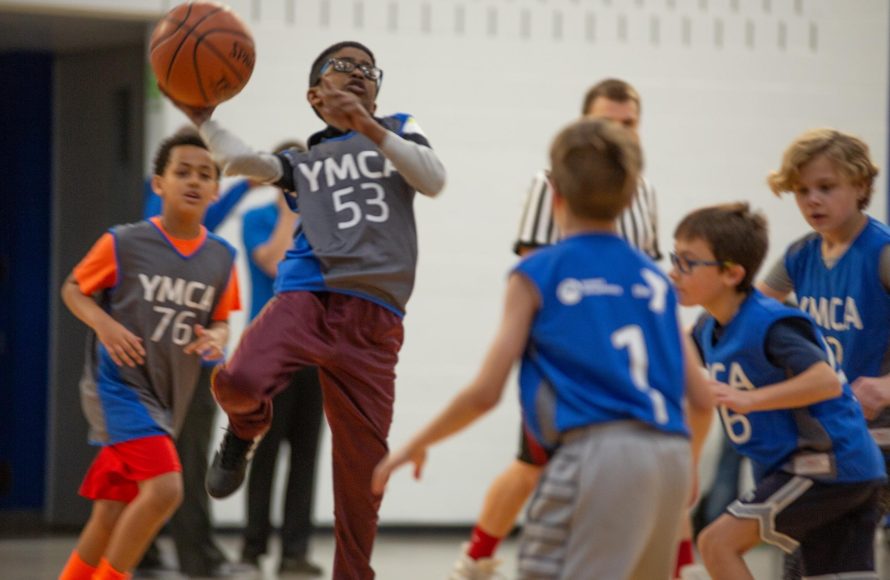
Youth basketball game lengths typically range from 24 to 32 minutes, divided into shorter quarters, depending on the specific league and age group.
Ever wondered just how long you’ll be cheering from the sidelines? Thinking about scheduling conflicts and practice times can lead to one big question: how long are youth basketball games?
The answer isn’t a simple one-size-fits-all number. Game duration depends on many factors like the age of the players involved. League rules also affect the length of the game.

How Long Are Youth Basketball Games?
So, you’re curious about how long youth basketball games last? That’s a fantastic question! It’s not always a simple answer because it changes depending on the age of the players. Just like a book with different chapters, youth basketball has different time rules for each age group. We’ll take a deep dive into the game lengths for young basketball players, breaking it down so it’s super easy to understand. We will explore the different durations and the reason for these variations. If you’re a parent, player, or coach, you’ll find this information really helpful. Let’s get started!
Understanding the Basics: Game Structure
Before we jump into specific times, let’s understand how a basketball game is structured. It’s not just one continuous period of playing! Think of it like a school day: you have different classes (or quarters), breaks in between (like halftime), and timeouts when you need a short rest. Youth basketball follows a similar pattern, but the exact timing differs from professional games.
Quarters or Halves?
The first thing to know is whether the game is broken into quarters or halves. Typically, younger players (think elementary school age) will play with quarters, while older kids (middle and high school) will play with halves. This impacts the total game time and the breaks within the game.
- Quarters: These are shorter periods of play, usually four of them in a game. They help younger players stay focused and energetic without getting too tired.
- Halves: These are longer periods of play, typically two in a game. They are more common in older youth leagues and high school basketball.
Clock Management: Running Time and Stopped Time
Another crucial aspect is how the game clock is managed. There are two main ways: running time and stopped time.
Running time means the clock keeps ticking, even when the ball isn’t in play. This method is often used in younger age groups to keep games moving at a good pace and to stick to schedules. In running time, the clock only stops for injury, or in the final two minutes of the game, if the lead is a certain margin.
Stopped time means the clock pauses whenever the ball goes out of bounds, a foul occurs, or a timeout is called. This is used more often with older players and in high school. It allows for more stoppages and increases the overall time a game can take.
Game Length by Age Group
Now, let’s get into the nitty-gritty of how long youth basketball games are for different age groups. Remember, these are general guidelines and can vary slightly depending on the specific league or organization. Always check with your local league for their exact rules. Think of it like different grade levels at school, each has its own schedule.
Games for Elementary School Kids (Ages 5-10)
For the youngest players, the focus is on fun, skill development, and learning the basics. Games are much shorter to accommodate their shorter attention spans and energy levels.
Typical Time Structure:
- Quarters: Games are almost always played with four quarters.
- Quarter Length: Typically, quarters are 6 to 8 minutes long. This is running time which means clock stops only during timeouts, injuries, or in final two minutes of the game if the lead is under 10 or 15.
- Total Game Length: A game for this age group often lasts around 30 to 40 minutes (including halftime and timeouts), actual play is about 24 to 32 minutes of play.
- Halftime: Halftime is usually around 5 minutes.
Example: Imagine a game with four 6-minute quarters. That’s 24 minutes of playing time. Adding a 5-minute halftime and a few short timeouts, the total game will probably last around 35 to 40 minutes.
This age group focuses on participation and learning, so the shorter times keep everyone engaged. A shorter game is better as kids are still developing their stamina and it helps keep the game fast-paced. Also, it keeps the kids excited as they do not get bored easily, because these games also have a lot of substitutions to give all the players equal playing time.
Games for Middle School Kids (Ages 11-14)
As players grow older and more skilled, the game time also increases. Middle school basketball is when players start to get more serious about strategy and competition.
Typical Time Structure:
- Quarters or Halves: Some leagues will still use quarters, while others will switch to halves. It depends on the exact league and organization.
- Quarter Length (if applicable): 7 or 8 minutes long, often with running time, but some leagues may use stopped time.
- Halves Length (if applicable): Halves are typically 14 to 16 minutes long. These are often with stopped time, but might also be running time in some leagues.
- Total Game Length: A game can last anywhere from 45 to 60 minutes, depending on the number of breaks and whether running or stopped time is used.
- Halftime: Halftime is typically 5 to 10 minutes.
Example: A game with four 8-minute quarters and running time, the game will last around 32 minutes. Including halftime and few timeouts, the game will be around 45 to 50 minutes in length. If the same game is played using halves, with two 15 minute halves, the game will last around 30 minutes, and including halftime and timeouts, the game will usually take 45 to 55 minutes. Also, if the same game is being played with stopped time, it can last over an hour.
Games for High School Kids (Ages 15-18)
High school basketball is the most like the professional game. Games are longer, more competitive, and the rules are standardized. They use stopped time in most cases.
Typical Time Structure:
- Quarters: Usually, high school games are played with four quarters.
- Quarter Length: Each quarter is 8 minutes long with stopped time (when clock stops at dead ball).
- Total Game Length: Because of stopped time, a game can often last 60 to 90 minutes, including halftime and timeouts, actual playing time will only be around 32 minutes.
- Halftime: Typically, halftime is 10 minutes in length.
Example: A game with four 8-minute quarters, the total playing time will be 32 minutes, but because of stopped time the game can last longer. With halftime and few timeouts, total game time will be around 60 to 90 minutes.
Variations in Game Length
It’s very important to remember that these timings are just guidelines. Several factors can cause a game to run shorter or longer.
Factors that Affect Game Length
- League Rules: Different leagues may have slightly different rules for game length. It’s very important to always double-check your league’s specific rules.
- Tournament Play: Tournaments often have special rules, sometimes with longer game times than regular season play.
- Overtime: If a game is tied at the end of regulation, there is an overtime period that is 2 to 4 minutes in length depending on the league. This will add to the overall time.
- Number of Timeouts: The amount of timeouts called during the game will also influence the total game time. More timeouts means a longer game.
- Number of Fouls and Dead Balls: Frequent fouls and dead balls (ball out of bounds, travels etc.) will cause the game to run longer because of stopped time.
Why are There Different Game Lengths for Youth Basketball?
You might be wondering, why not just have one standard game length for all ages? It all comes down to what’s best for the players at each stage of development.
Physical Development and Endurance
Younger players have different energy levels and need shorter periods of play. Their bodies are still growing and not yet ready for the demands of a full-length game. As players get older, their bodies are able to handle longer playing periods without getting tired too quickly. This is why older players have longer games as they build more endurance.
Attention Span
Let’s be honest: young kids have shorter attention spans. Shorter games with more breaks help keep them focused and engaged. Older kids can stay focused for longer, therefore they play longer games. Keeping kids engaged at their respective ages is the most important thing. It allows the kids to learn and enjoy the game without getting distracted and bored.
Skill Development
Early youth basketball is more about skill development than winning. Shorter games allow for more substitutions. It gives all the players an opportunity to play and develop their skills. As players become more advanced, game time increases to reflect the higher skill levels and strategies being used.
Safety
Shorter games are safer for younger players. They reduce the risk of fatigue, which can lead to injuries. The focus of younger players is to have fun and build skills, rather than playing very long matches. It’s important to keep everyone safe and healthy.
Tips for Parents and Coaches
Knowing how long a game is will help you prepare for game days. It’s always better to be ready and organized. Here are a few tips:
For Parents:
- Check the Schedule: Always double-check the schedule provided by the league for game start time and duration.
- Plan Accordingly: Plan your transportation and post-game activities based on the expected game length. Make sure your kid has enough time to eat before or after the game.
- Stay Patient: Be prepared that games may run longer than expected, especially with stopped time.
- Support Your Player: Be supportive and encourage your player to play hard, learn, and have fun.
For Coaches:
- Understand the Rules: Know the exact rules for your specific league regarding game time.
- Plan Substitutions: Have a substitution strategy to ensure all your players get adequate playing time, especially in younger age groups.
- Manage Timeouts: Be smart about your timeout usage to maintain your players energy and momentum.
- Teach Strategy: Help players understand how game time management works. Explain the different rules with running or stopped clock, so the kids know when to be in a hurry or when to take their time.
Understanding the game time rules of youth basketball is essential for everyone involved. By knowing how long a game will be, you can ensure kids have the best possible experience on the court. Always check with your local league for the specific rules they have in place, and most of all, have fun!
Youth Basketball Guidelines
Final Thoughts
Youth basketball game lengths vary by age group. Younger children often play shorter games, typically with four 6- or 8-minute quarters. Older youth usually have longer quarters, reaching 8-10 minutes each.
The specific rules and game times depend on the league or organization. Understanding these time structures is important for players and families. Remember that “how long are youth basketball games” can change based on competition levels too.

