
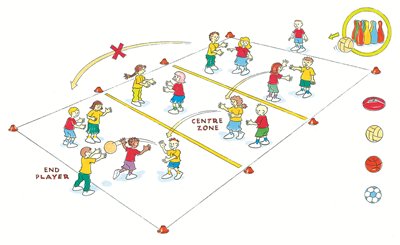
Game sense is the intuitive understanding of a game, allowing players to make effective decisions and anticipate situations.
Ever wondered why some athletes seem to effortlessly glide through a match, almost as if they know what’s going to happen next? It’s not magic; it’s often a strong display of “what is game sense”. This ability goes beyond just knowing the rules; it’s about understanding the flow and nuances of the competition itself.
A player with good game sense can often predict an opponent’s actions or instantly identify tactical openings. It allows them to adapt quickly and to react appropriately under pressure. This skill is crucial for success in any competitive game.

What is Game Sense?
Okay, so you’ve probably heard people talk about “game sense” before, especially if you’re into sports or video games. But what does it really mean? Is it some kind of superpower only a few people have? Nope! Game sense is actually a skill – a really cool skill – that you can learn and improve. Think of it like this: it’s not just about being fast or strong; it’s about being smart while you play. It’s about understanding what’s happening in the game, predicting what might happen next, and making the best choices because of that understanding. It’s the ability to “read” the game, like reading a really exciting book!
Understanding the Core Elements of Game Sense
Game sense isn’t just one single thing; it’s like a delicious recipe with several key ingredients working together. Let’s break down these ingredients to really understand what makes up great game sense:
Spatial Awareness
Imagine playing hide-and-seek. You need to know where your friends are hiding, right? Spatial awareness in games is similar. It’s about knowing where everyone is on the field, court, or screen. It means understanding the positions of your teammates, your opponents, and even yourself in relation to the playing area. With good spatial awareness, you can pass the ball to the right spot, move into open space, and avoid running into other players.
For example, in a soccer game, a player with good spatial awareness will not just focus on the ball. They will also be aware of where their teammates are positioned, where the open spaces on the field are and where the opposing players are situated. This enables them to make better decisions about where to move and whom to pass the ball to.
Anticipation
Anticipation is like being a fortune teller, but for games! It’s about predicting what’s going to happen next. You look at what’s happening now and use that to guess what might occur in the near future. In a basketball game, you might see a defender moving towards your teammate, and you know that your teammate might need to pass the ball quickly. That is anticipation. Good anticipation allows you to react faster and get ahead of the game, literally!
Anticipation isn’t just about guesswork. It’s about pattern recognition. Over time, as you play more, you’ll start to see the same patterns happening again and again. For instance, in a fighting game, you may start to notice a pattern of attack from an opponent. Good anticipation will give you the opportunity to avoid that attack and counter with one of your own.
Decision-Making
Games are filled with choices. Should you pass the ball or shoot? Should you jump or stay put? Decision-making is the ability to choose the best option quickly and effectively. A player with good decision-making knows that even if they don’t always make the ‘perfect’ choice, they are always trying to make the ‘right’ choice for that particular situation. Making good decisions often means considering several options and their potential outcomes before acting.
Good decision-making is frequently coupled with a willingness to take calculated risks. Sometimes it’s necessary to make a bold move to gain an advantage. Good decision-makers understand when to take these opportunities, and when to play it safe.
Tactical Understanding
Tactical understanding is about understanding the overall strategies of the game. It’s more than just knowing what to do in the moment; it’s about understanding the bigger picture. For example, in a team game, you need to know what your team is trying to achieve. You need to know when to attack, when to defend, and how your role fits into the larger strategy. It’s like knowing all the pieces in a puzzle and how they fit together to make a complete image. Think of the team’s tactics as a plan, and your tactical understanding is knowing your part in executing that plan.
Tactical awareness goes hand in hand with adaptability. Good players can adjust their tactics as the game evolves. They recognize when an opposing team has adjusted their strategy and will modify their own game to gain a new advantage.
How Game Sense Differs from Raw Skill
It’s important to know that game sense isn’t the same as raw skill. Think of it like this: Someone might be really good at dribbling a basketball – that’s a raw skill. But if they don’t know when to dribble, pass, or shoot, they won’t be as effective. Game sense is the “when,” “where,” and “why” behind the raw skill. It guides how you use your abilities to achieve a goal.
Someone can be incredibly fast or athletic but lack awareness of their surroundings, causing them to move to the wrong place at the wrong time. Similarly, a person may have the best aim in a video game, but they might be unaware of how the enemy’s movements will impact the outcome of the firefight. The difference is how the player chooses to use their skill by applying game sense.
Developing Your Game Sense
The great thing about game sense is that you can absolutely get better at it! It’s not something you’re simply born with. Here are some strategies to level up your game sense:
Practice, Practice, Practice
Just like anything else, the more you play, the better you’ll get. Playing more of your chosen game or sport gives you the chance to learn the patterns and rhythms of the game. Each practice game or match is a learning opportunity.
- Active Observation: Try to pay attention to more than just the ball or your own actions. Observe how other players move and react.
- Experimentation: Try new things, even if they don’t always work out at first. When you try out new strategies, you’re teaching yourself how to read situations effectively.
Learning the Rules and Mechanics
You have to know the rules of your chosen game inside out. Understanding all the nuances will assist you in making the right decisions, and you’ll know how to react accordingly. You’ll be more prepared if you understand your character’s strengths and weaknesses in a video game or what types of play is most effective in a sport.
- Study the Rules: Don’t just know the basics; learn all the details.
- Understand Game Mechanics: Learn how the game works on a technical level.
Watching and Learning From Others
Watching players who have great game sense is a brilliant way to improve your own. See how they move and react to situations. Look at their decision-making process. You can study professional athletes or top players in online games to learn from the best.
- Analyze Professional Gameplay: Watch and try to understand the reasons behind good players’ decisions.
- Learn from Experienced Players: Ask friends, teammates, or coaches to offer advice and perspective.
Analyzing Your Own Gameplay
It’s important to take time to think about what you did during each game, and identify what went well and what didn’t work so well. By understanding your mistakes and learning from them, you will begin to develop a new set of skills that improve your game sense. Think about what you could have done differently in each particular situation.
- Keep a Journal or Notes: Jot down notes after playing games, including things you did well and things you can do better in the future.
- Review Replays (if possible): If the game allows it, watch replays of your own games to identify patterns and see your mistakes in real time.
Communication
Communication is essential in team sports. If you are playing a team game, you should communicate with your teammates effectively to make sure everyone is on the same page. Talking to one another, offering advice, and working together makes for better game sense all around.
- Communicate Effectively: Be clear and concise when communicating with your teammates.
- Listen to Your Teammates: Work together, and understand that everyone has valuable insights and suggestions.
Game Sense in Different Games
The principles of game sense apply to a vast array of games, although its specific application may differ depending on the sport or game being played. The skills that make you good at soccer may be slightly different from the skills that make you good at chess. Let’s take a look at how it works in a few different scenarios:
Team Sports
In team sports like basketball, soccer, or volleyball, game sense means being aware of the whole team and the field. It’s about knowing where your teammates are, where the opponents are, and anticipating where the ball needs to go. It’s also about understanding team strategies and your specific role in those strategies.
For instance, in basketball, a player with good game sense will know when to pass to a teammate who is open, instead of trying to force a difficult shot. They also know when to cut to the basket, and when to take advantage of an open court for a fast break.
Individual Sports
Even in individual sports like tennis or swimming, game sense is important. In tennis, it involves understanding your opponent’s strengths and weaknesses, anticipating their shots, and choosing the right shot for each moment. In swimming, game sense is about knowing when to push harder and when to conserve your energy throughout the race.
A tennis player with great game sense will not simply hit hard. They will be watching the opponent closely to determine where they will go, and when they will move. Based on that, they will decide when to use different types of shots and strategies.
Video Games
Game sense is very important in video games. It can include knowing the game map, being able to anticipate your opponent’s moves, understanding different character abilities, or knowing how to best utilize various resources. In first-person shooters, for example, game sense involves predicting where the enemy may be coming from, understanding how to use cover, and communicating with your teammates.
In strategy-based video games like chess, game sense involves anticipating the opponent’s moves several steps in advance. In this case it’s about planning, thinking ahead, and making use of your knowledge of how the pieces move.
Board Games
Even in board games like Monopoly or Settlers of Catan, game sense is an important factor. It includes understanding the game’s rules, anticipating your opponent’s strategies, and calculating potential risks and rewards. It’s about being able to make choices that give you the most significant advantage.
Someone playing Monopoly may need to observe their opponent’s properties and their cash flow to help determine how and when to purchase new properties. Someone playing Settlers of Catan will need to understand the game rules as well as assess which resources are likely to be scarce and which of the resources should be prioritized.
The Benefits of Having Good Game Sense
Having good game sense is like having a cheat code in real life! It gives you a significant advantage, regardless of whether you’re on the court, on the field, or in front of a game screen. Here’s how it can benefit you:
- Improved Performance: You’ll make better decisions, which leads to better gameplay.
- More Consistent Results: You won’t just have flashes of brilliance; you’ll have a more consistent level of performance.
- Better Teamwork: If you’re part of a team, you’ll work better with your teammates because of your understanding of the overall game.
- More Fun: When you’re good at something, you enjoy it more! Good game sense makes games more fun and engaging.
- Competitive Advantage: In competitive scenarios, good game sense can give you the edge you need to come out on top.
Game sense is a very valuable skill, and it will help you in all kinds of games, whether you are playing online, with your friends, or playing sports outside. It is a skill that can be developed over time and with practice. You’re not going to develop amazing game sense overnight, but you will start to see improvements with the right training and approach to the game.
So, keep practicing, keep learning, and keep having fun. Remember, game sense is about being smart while you play, not just fast or strong. And that’s something that everyone can improve with time and effort. So, go out there, and become the best player you can be, one smart move at a time!
How To Rapidly Improve 'Game Sense' (1h=100h)
Final Thoughts
Game sense is essentially intuitive understanding during gameplay. It involves anticipating opponent actions, making quick decisions, and reacting effectively to situations. Players with good game sense often appear one step ahead.
This ability is not purely skill based; experience is a key factor. Learning from past plays improves your future choices. Therefore, what is game sense? It is the capacity to make informed decisions that contribute to success.

