
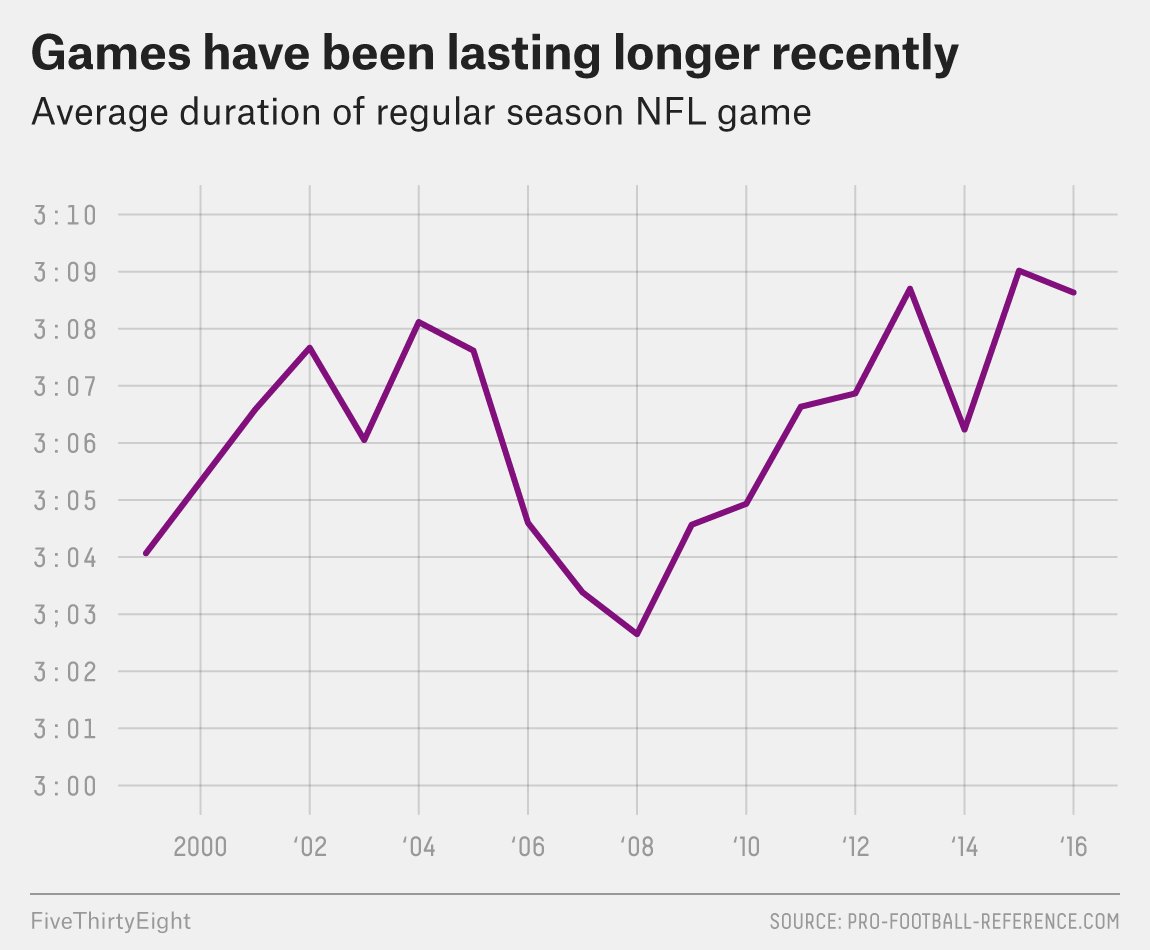
American football games typically last around three hours, although the actual playing time is much shorter due to frequent stops and breaks.
Ever wondered about the clock when watching a game? It can feel like it lasts forever. Many fans ask, ‘how long do american football games last’, and it’s a fair question.
The game clock stops often. This causes the total time to extend beyond the actual on-field action. That makes the answer slightly more complex than it first appears.

How Long Do American Football Games Last?
Okay, so you’re curious about how long those exciting American football games actually take, right? It’s a great question because it’s not as simple as just one set time. We need to think about a few things that can change how long a game runs. Let’s dive in and learn all about it!
The Basic Structure of an American Football Game
At its heart, a football game is divided into four quarters. Think of it like four mini-games within the big game. Each quarter in professional (NFL) and college football is 15 minutes long. That means that the total playing time, if you didn’t stop for anything, would be 60 minutes. Now, obviously, they stop for stuff, so the actual time the game takes is way more than that.
Halftime Break
After the second quarter ends, there’s a longer break called halftime. It’s like a mini-intermission in a play. This is when the teams go back to their locker rooms to rest, chat about strategy, and make any needed adjustments. Halftime in the NFL is typically 12 to 15 minutes long. In college, halftime usually runs around 20 minutes, but that can change depending on the network showing the game.
Why Games Take Longer Than 60 Minutes
So, if the playing time is only 60 minutes, why do games often take 3 hours or more to finish? The answer lies in those many pauses, breaks, and interruptions that happen throughout the match. There’s way more to it than just the running clock. Let’s go through the main reasons:
Play Clock and Timeouts
Every time a play ends, the game clock stops. Teams have a set amount of time to start the next play, which is called the play clock. This gives players and coaches time to plan. When a team does a play, this also stops the clock, which makes the game longer than 60 minutes. These play clocks alone significantly extend the duration of the game. On top of that, teams can call for a timeout. In the NFL, each team gets three timeouts per half, and in college, they get three per game. Timeouts can happen for many reasons, whether a team wants to talk about strategy, rest the players, or simply stop the clock. Both the play clock and timeouts add to the total length of an American football game. Here’s a quick look:
- Play clock: About 25-40 seconds between plays
- Timeouts: About 2-3 minutes each
Commercial Breaks
If you watch any football on TV, you’ll know about those commercial breaks. These are a big factor in the total length of a game. Networks show commercials during timeouts, after scores, and at the end of each quarter. These breaks are crucial for networks, but add considerable time to the overall duration of the game. The number and length of commercial breaks vary by network, but they are a steady component to overall game length. Also, there are local and national networks, which all play their commercials during the game.
Injuries
Player safety is very important in football. If a player gets hurt on the field, the game clock will stop so the player can get help. The medical team will come onto the field and help the player get off the field safely. The length of these injury stoppages can vary, depending on the situation. If a player is seriously injured, the stoppage can last a few minutes, causing longer total game times.
Official Reviews and Penalties
Sometimes, the game officials will have to stop the game to review a play. They do this to make sure they got the call right. Official reviews can take a few minutes, depending on how complicated the play is, and how long it takes the officials to make the right decision. Also, when a penalty occurs, it stops the game. Penalties range from simple issues to more complex ones, all of them stopping the play clock and adding to the total game length. The officials have to discuss the penalty and then make the call, and after that the game continues from that point, which adds extra time.
Overtime
Sometimes, at the end of the fourth quarter, the teams are still tied. If this happens, they go into overtime. Overtime rules differ between the NFL and college football. In the NFL, the first team to score a touchdown in overtime wins. If both teams only kick a field goal in the first overtime, then the game continues. College overtime is more like a back and forth match, where each team gets the ball from the 25 yard line, and tries to score. This overtime can greatly extend a game’s overall length, possibly for another 15 to 30 minutes, or even more if there’s multiple rounds of overtime.
Average Game Length in Different Leagues
While the basic rules are the same, the average length of a game can differ between the NFL, college football, and high school football.
NFL Game Length
NFL games tend to run the longest, primarily due to the high number of TV timeouts, official reviews, and the extra time it takes when a play is made. An average NFL game lasts about three hours to three and a half hours. Keep in mind, this is just an average, some games can be shorter, and some can run for over four hours. These longer games are usually because of a lot of scoring, timeouts, injuries, or official reviews. The NFL has a faster paced game with less timeouts compared to college, which is why these games tend to last between three to four hours.
College Football Game Length
College football games tend to be slightly shorter than NFL games, typically averaging between three hours and fifteen minutes to three hours and thirty minutes. While the quarters are the same length, there can be slight differences in the timing of stoppages. College also has more frequent commercial breaks than the NFL, which contributes to the game length. The game can also depend on how well the team is playing, like if one team is dominating, it tends to make the game faster. And if its a close game, that makes the game longer due to timeouts.
High School Football Game Length
High school games are significantly shorter than both NFL and college games. A high school football quarter is usually 12 minutes, instead of 15 minutes, and with only four quarters, this shortens the game by a total of 12 minutes. Typically, high school games last around two hours to two and a half hours. They also have less stoppages, such as timeouts and TV breaks compared to the professional levels. The game play is also faster, because coaches tend to run the plays and not make as many play calls, as the professional level.
Factors That Influence Game Length
Several factors can cause a football game to be shorter or longer than average. These can be anything from the weather conditions to the game’s outcome. Lets go over these in more detail:
Weather Conditions
Weather can impact a game. If there is heavy rain, the game can sometimes slow down, as players slip or are having a hard time running. In extremely dangerous situations, like lightning, the game has to be paused until it is safe to continue. Bad weather can be a big reason why games may end up running a little longer, especially with stoppages.
Scoring Frequency
A game with lots of scoring will have a lot more stoppages, because the clock stops after every score. In comparison, a low scoring game tends to run faster, as the clock will keep running with little to no stoppages, other than the quarter and timeouts. High scoring games with more touchdowns and field goals tend to take longer, as there will be more time for commercials and timeouts. Also, long drives on offense can take a lot more time off the clock, making the game shorter.
Blowout Games
If one team is winning by a large margin, the other team may stop trying so hard. This is when one team is dominating so much that its almost impossible for the other team to come back. These “blowout” games tend to be faster, because the losing team will be in a hurry up offense, and the winning team is not calling timeouts. A dominating game makes the game faster because of these situations, where teams arent stopping the clock or causing a lot of timeouts or penalties.
Close Games
Close games with the teams going back and forth tend to be longer, because they will be using timeouts to stop the clock, as well as calling different plays and strategies to try to win. These games can take up a lot more time, and are exciting to watch because the game can go to either team.
Number of Injuries
A game with several injuries will take longer, since the clock has to stop every time a player gets injured. Also, the medical staff has to be able to go onto the field to help any injured player, so there is no time limit for that. These safety precautions make games longer, due to the medical attention that players may need during a game.
Here’s a quick summary of how different factors may affect game length:
- Weather: Heavy rain or dangerous weather can lead to stoppages.
- Scoring: More scoring leads to more stoppages and longer game times.
- Blowouts: Games with a big lead will tend to move faster and be shorter.
- Close Games: Close games tend to last longer, due to more timeouts and strategies.
- Injuries: More injuries lead to longer game times, because of the medical attention that is needed.
Tips For Planning Your Viewing Schedule
Now that you know what goes into the length of a football game, here are some tips for planning your viewing schedule:
- Factor in buffer time: Never assume that the game will end in a precise time. If you have plans after, make sure to give yourself extra time.
- Check kickoff times: Check the scheduled kickoff times for games on the website, or channel that you are using to watch.
- Use online resources: If you want to know when a game may end, you can look online, where many sports websites update games.
- Listen to local media: If you are going to the game, tune into local radio or news channels for information on game delays.
- Be flexible: Sometimes games are unpredictable, so its good to be flexible when watching a game.
So, while a football game has a set playing time of 60 minutes, the actual time it takes to finish a game is usually much longer. This is due to timeouts, commercial breaks, injuries, reviews, and the possibility of overtime. Whether it’s an NFL game, a college showdown, or a high school match-up, all games come with a level of anticipation and excitement that makes them enjoyable to watch. Knowing these things will help you plan your day when you are watching football.
A Beginner's Guide to American Football | NFL UK
Final Thoughts
So, how long do american football games last? Typically, you can expect a game to run for about three hours. However, the actual clock time might differ. Television timeouts and various stoppages extend the game’s duration.
The game clock itself runs for 60 minutes, divided into four 15-minute quarters. The clock stops for incomplete passes, penalties, and when players go out of bounds. All these factors contribute to the total length of a game.
Therefore, while the game clock is 60 minutes, the whole experience can easily reach three hours. Keep in mind these variations when planning your day around football. This gives you the approximate answer regarding ‘how long do american football games last’.

