
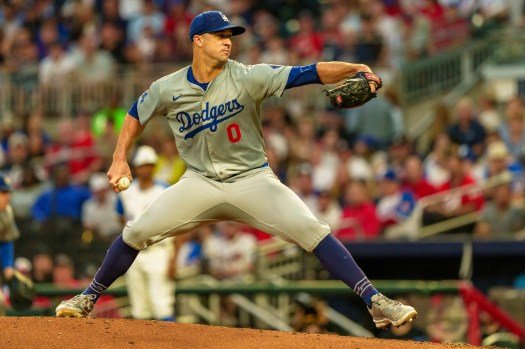
The average baseball game typically lasts around 3 hours.
Ever wondered, “how long do baseball games normally last?” It’s a common question for fans and newcomers alike. The duration can certainly feel variable, and sometimes games feel like they go on forever.
But understanding the typical game length helps you plan your schedule around your favorite team. Knowing what to expect means you can settle in and fully enjoy the game experience.

How Long Do Baseball Games Normally Last?
So, you’re wondering about the duration of a baseball game? It’s a great question! Baseball isn’t like football or basketball where the clock is constantly ticking down. In baseball, the game goes until the outs are made, which can sometimes make it feel like it’s taking a while! Let’s dive into the nitty-gritty details and see what affects the length of a baseball game. We’ll look at everything from the different levels of play to factors that can speed things up or slow them down. Get ready, because it’s more interesting than you might think!
The Standard 9 Innings
The most common baseball game you’ll see is a nine-inning game. This is the standard for Major League Baseball (MLB), most professional leagues, and many college and high school games. Think of it like this: each team gets a chance to bat (try to hit the ball) until they make three outs. Once both teams have completed their turn at bat (called an inning), the next inning begins. This continues for nine full innings. So, at its most basic, a nine-inning game is what most people picture when they think of baseball.
Average Game Time
While nine innings is the standard, it doesn’t mean every game lasts the exact same amount of time. The average length of an MLB game is usually around 3 hours. You might hear that it’s somewhere between 2.5 to 3.5 hours. Keep in mind that this is just an average. Some games can be much shorter, and some can last quite a bit longer. Several factors contribute to these variations which we’ll discuss later.
Factors Affecting Game Length
Several things can make a baseball game faster or slower. It’s not just about how well the players are doing; there are other aspects at play. Let’s break it down.
Pitching Changes
One of the biggest time-eaters in a baseball game is pitching changes. When a pitcher gets tired or isn’t doing well, the manager might decide to bring in a new one. This is usually called a relief pitcher. The process of taking one pitcher out and warming up a new one takes time. The pitcher needs to walk to the mound, warm up, and get ready to pitch. These changes, while part of the game, add minutes to the overall length.
Offensive Slowdowns
Sometimes the game slows down because the hitters just aren’t hitting. Lots of walks (when the pitcher throws four balls outside of the strike zone and the batter gets to go to first base) or batters fouling off pitches can make things drag. Imagine someone keeps swinging and not hitting the ball properly, well, this adds to the pitch count, takes more time, and thus lengthens the game.
Big Innings and Home Runs
On the other hand, if one team has a really big offensive inning, meaning they get lots of hits, walks, and maybe even a home run or two, the inning will take much longer. Players need to get on base, advance around the bases, and then score. Each time a player runs the bases, that adds to the game time.
Injuries and Challenges
Unfortunately, injuries happen in baseball, just like any sport. If a player gets hurt, the game might need to pause while they get medical attention. Also, sometimes the managers want to challenge the umpire’s call, using a replay system to look at the play again. These kinds of delays also contribute to the game’s overall length.
Other Delays
There are some other minor things that might make a baseball game longer. These could include things like a rain delay, where the game has to stop for a short while until the weather clears up, or even just time taken between innings. These are usually less consistent, but can still add to the total game time.
Game Length at Different Levels
Baseball is played at many different levels, from little leagues to the pros. The length of a game can vary at each of these levels. Let’s explore this further.
Little League
Little League games are usually shorter than professional games. A lot of times Little League games are 6 innings long instead of 9. Since younger players get tired quicker, and the focus is on learning and having fun, the games tend to be a bit faster. Plus, there are often rules that limit how many innings a player can play in a single game. These rules help to ensure that all players get a chance to play, and prevent too much time on the field.
High School Baseball
High school baseball games are usually 7 innings, which is a little longer than little league. This gives players more time to showcase their skills, and get more experience in playing. Even if the game goes to extra innings, this would increase the total game time.
College Baseball
College baseball games typically follow the standard 9-inning format, same as in the professional league. The games will be on a similar time frame like the pro games, but it will depend on the factors as we discussed earlier in this article, like how fast the pitcher is throwing, number of pitching changes, or scoring ability of both teams in the game, etc.
Major League Baseball (MLB)
As we discussed earlier, MLB games are primarily 9 innings, and they have the most variation in length. With many of the most talented players in the world, the games tend to be more exciting, which can sometimes lead to longer games. The various factors we talked about above are most apparent at the MLB level.
The Impact of Pace of Play Initiatives
In recent years, baseball has taken steps to try to speed up the game. Some people felt that games were getting too long, and that they didn’t like watching games that went on for hours. The MLB has implemented several rules designed to make the game move faster. Let’s take a look at these.
Pitch Clock
One of the biggest changes has been the introduction of a pitch clock. This clock is displayed in the stadium, and it limits how much time a pitcher has to throw the ball. With less time on the clock, the pitcher is forced to throw the ball quicker. This has had a significant impact on the pace of the game, and reduced game times dramatically.
Limits on Mound Visits
Another change is limiting the number of times the manager or a coach can visit the pitcher on the mound. Previously, they could visit the mound much more often, causing a delay in the game. Now, with limited visits, the game moves more quickly.
Shift Restrictions
There are also new rules on defensive shifts that intend to make hitting more common. Sometimes when a hitter is predicted to hit the ball towards a certain place in the field, the defensive players will move in that direction in order to try to get the batter out. But now with these new rules, such defensive shifts are not allowed, in which the infielders are forced to play in certain positions, making the ball to be more frequently hit in play, in return will potentially speed up the game by creating more action.
Understanding Extra Innings
Sometimes, after nine innings, the game is still tied, meaning neither team has won. When this happens, they go to extra innings. Extra innings can make a game go much longer than usual. Here’s how they work:
How Extra Innings Work
In extra innings, the game continues with both teams playing a full inning until one team scores more runs than the other, and wins the game. The game can technically continue forever until one team wins. The length of the game will greatly depend on how well each team is playing.
The “Ghost Runner” Rule
In some leagues, especially at the lower levels and in recent years MLB, there’s a rule where a runner is automatically placed on second base at the start of each extra inning. This is called the “ghost runner” or “placed runner” rule. The goal here is to try to speed up the game by creating more scoring opportunities and ending the game faster. However, this is not applicable at all levels of play.
A Quick Recap
Let’s summarize all the key aspects of game length we’ve covered.
- The standard game length is 9 innings.
- Average game length for MLB is around 3 hours (2.5 to 3.5 hours).
- Pitching changes, offensive struggles, big innings, injuries, challenges, weather delays all impact game length.
- Little League games are typically shorter (6 innings), high school games are 7 innings, and college games are 9 innings.
- MLB has introduced a pitch clock, limits on mound visits, and shift restrictions to increase the pace of the game.
- Extra innings occur when the score is tied after nine innings.
While it may seem like baseball games last a while, each game is a unique mix of strategy, talent, and chance. The elements described above combine to create a fascinating experience, keeping fans on the edge of their seats. Now that you understand all the factors that can impact the length of a baseball game, you will be able to better appreciate and enjoy this fantastic sport.
How Long Do Minor League Baseball Games Last? – The Baseball Xpert
Final Thoughts
Typically, a baseball game lasts about three hours. Some games might finish a bit quicker, while others can extend beyond this time. Extra innings, pitching changes, and various stoppages contribute to the total duration.
Understanding how long do baseball games normally last helps in planning your attendance or viewing schedule. Many factors affect the overall length. So, expecting around three hours is a good benchmark.

