
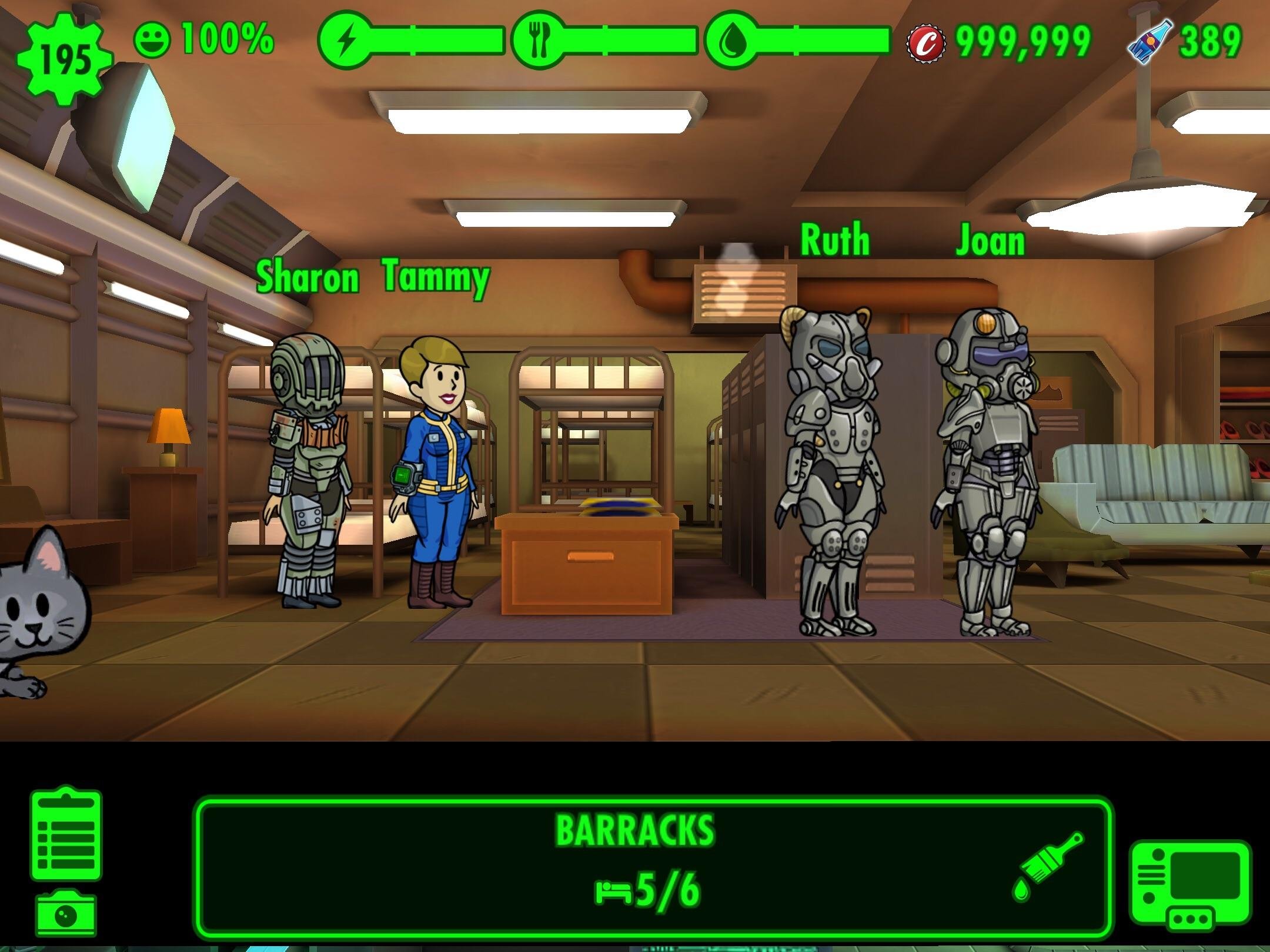
Vault 33 appears in the upcoming television series Fallout, not in any existing Fallout video game.
The buzz around the Fallout universe is palpable, and a key question on many fans’ minds is: which fallout game has vault 33? It’s a great question, especially with so much lore to keep track of. The interconnected stories and iconic vaults create a rich world for us all to enjoy.
Many people assume it must be in a video game but that isn’t the case. Vault 33 is actually the setting for the new Fallout TV show and not a part of the established game series. This adds a new layer to the expanded Fallout universe.

Which Fallout Game Has Vault 33?
Okay, Fallout fans, let’s talk about Vault 33! If you’re wondering which game features this particular vault, you’ve come to the right place. It’s not in the main games you might be thinking of, like Fallout 3 or Fallout 4. Instead, Vault 33 is the central location in the Amazon Prime Video series, Fallout. That’s right, it’s not a video game vault, but a vault created for the TV series. It plays a huge role in the story, so it’s definitely important to understand its purpose within that world.
Vault 33: A New Vault for a New Story
Unlike vaults in the game series, Vault 33 was specifically designed for the Fallout TV show, bringing a fresh perspective to the established world. While the games explore various vaults, each with their own social experiment, Vault 33 is unique. Instead of being based on any game location, it serves a new narrative purpose. The show uses it to explore themes of class differences and pre-war idealism colliding with post-apocalyptic reality. This vault is the home of Lucy, one of the series’ protagonists, and the place where her life drastically changes, setting the stage for the TV show’s adventure.
The Design and Purpose of Vault 33
Vault 33 is presented as a large and well-maintained vault, a stark contrast to the often dilapidated conditions we see in many game vaults. It is a model of Vault-Tec’s intended design, showcasing its pre-war promises of a secure and functioning community. Inside, it has clean corridors, well-lit common areas, and comfortable living quarters. The vault’s population is depicted as naive and almost entirely unaware of the horrors of the outside world. They maintain a strict hierarchy and have routines and customs, which have developed over generations of isolation. The design of the vault isn’t just for show; it’s directly relevant to the plot and the character’s backgrounds. It highlights how the carefully planned society inside Vault 33 stands in sharp contrast to the wasteland.
Differences from Game Vaults
Here’s a key difference. In the video games, vaults are often places with twisted experiments or hidden agendas. They’re usually found in ruins or with very grim histories. Think about Vault 112 from Fallout 3 where everyone lived in a simulation, or Vault 106 where the inhabitants went completely insane. Vault 33, in the TV series, doesn’t start out this way. Instead, it initially presents as a model of success with a seemingly functioning society. It’s more of a bubble, where the inhabitants are intentionally sheltered from the outside world. This difference allows the show to explore a very specific theme: what happens when that carefully constructed bubble is burst and individuals have to face the brutal reality of the wasteland?
- Game Vaults: Often have hidden, dark experiments
- Vault 33: Intended as a model society, initially without a dark twist
This also means Vault 33 doesn’t offer the same kind of gameplay exploration that would exist in a game. Instead, the audience experiences it through the lens of the TV series’ narrative. The focus is more on character development and the impact of the setting on the characters rather than player agency, and the design of vault 33 is designed to be a safe, secure, and comfortable for it’s inhabitants, until Lucy leave the vault.
Why Vault 33 is Important in the Fallout TV Show
Vault 33 is not just a backdrop, but a vital part of the story. It is where the main character, Lucy, grew up, influencing her worldview and actions. Its sheltered environment serves as a major point of contrast to the outside wasteland. Her journey from this protected environment to the wasteland is the core of the show’s narrative. The audience sees the world, and the dangers of the wasteland, through her eyes, especially in the beginning of the series, because of her background.
Vault 33’s Social Structure
Inside the vault, there’s a very clear hierarchy. There are overseers, managers, and general residents, all playing specific roles within the community. This social structure is what Lucy has always known, and her adherence to the rules and customs highlight her upbringing. It’s not just a community; it’s a carefully managed ecosystem designed to continue operating for generations. The society within Vault 33 creates a feeling of a very ordered existence, and that’s an important piece of Lucy’s starting point. The show uses the established society within Vault 33 to contrast it with the chaos of the outside world, making her journey more impactful.
The Contrast With the Wasteland
The striking difference between the safety and order within Vault 33 and the chaos of the wasteland serves as the primary conflict throughout the series. The vault symbolizes pre-war idealism while the wasteland symbolizes post-war reality. This contrast is crucial for understanding the themes of the series. The show uses this to examine the differences between the ideals of pre-war society and the brutal reality that exists after the nuclear apocalypse. Lucy’s background in the vault is what makes her reaction to the wasteland so impactful. She isn’t used to the harsh reality that people who grew up in the wasteland have to deal with every day. This gives the audience a perspective that highlights the impact of the bombs on the world and society.
The Connection to Other Fallout Lore
While Vault 33 is new to the Fallout universe, it doesn’t exist in isolation. It is, after all, a Vault-Tec vault, and it shares many of the characteristics of vaults in the game series, such as a communal style living, well-organized maintenance, and an overall sense of cleanliness and order. However, this seemingly perfect vault provides a new way to explore the Vault-Tec experiments that fans have come to expect in the Fallout series. Vault 33 is also a part of a network of vaults, with Vaults 31 and 32 nearby. This interconnected network hints at a larger experiment, as is typical of the Fallout universe. The design of Vault 33 is also consistent with what we expect from a Vault-Tec vault. It’s presented as an impressive underground facility that’s meant to house people safely during and after the nuclear war. But just like other vaults, there are secrets to be uncovered.
The Network of Vaults
The existence of Vaults 31 and 32 as part of the same network with Vault 33 is a significant point. It implies a larger plan at play. The nature of this network remains a central mystery in the series. These connections deepen the series’ narrative, and also give more questions to explore. The show is very much about discovery, and uncovering the true nature of the vault network is a vital part of that.
Vault-Tec and the Vault Experiment
As a Vault-Tec product, Vault 33 is definitely a part of the company’s social experiments, even if the experiment is not as obvious as some of the vaults in the games. The show slowly reveals the details of the vault’s creation and the goals behind it. As the story progresses, we discover that the purpose of Vault 33, and the other nearby vaults, isn’t as simple as it first seems. It introduces an element of mystery and discovery that keeps the audience engaged. The show uses the vault’s design and structure to reveal some of the secrets about the pre-war world and the nature of Vault-Tec’s operations.
Exploring Vault 33 in the Fallout Series
Because Vault 33 is specific to the TV series, we experience it in a different way than a game vault. It’s not a place where players can explore and interact; instead, the TV show gives us a guided tour through Lucy’s eyes and experiences. The show dedicates a significant amount of screen time to showcase the inside and outside of Vault 33, letting viewers see it for themselves.
Visual Representation of Vault 33
The visual aspect of Vault 33 is very important. The production design highlights the clean, organized, and well-maintained nature of the vault. This contrasts strongly with the usual dilapidated and gritty environments of the wasteland. The production team made sure to pay very close attention to the details of the set. All the props and set decoration contribute to the vault’s sense of order and purpose. They made sure that the visuals communicate what kind of place Vault 33 is to the audience. The visual contrast between the vault and the wasteland is not accidental. It plays a vital role in highlighting the differences between these worlds and the journey of the characters.
The Vault’s Impact on Characters
The main characters, particularly Lucy, are heavily shaped by their experiences within Vault 33. Her background and worldview influence how she interacts with others in the wasteland and how she reacts to the dangers she faces. She uses what she learned from the vault to help her, but sometimes those rules and values don’t apply in the wasteland. Vault 33, with its strict rules and naive residents, sets up an exciting and different kind of character background. It makes the character’s journey of discovery even more impactful as they move through the different environments and experiences.
Key Takeaways about Vault 33
Let’s recap the important facts about Vault 33:
- Vault 33 is specific to the Fallout TV series, not the video games.
- It serves as the home of the main character, Lucy, and is a central location in the series.
- It’s designed as a functional and well-maintained community, in contrast to many game vaults.
- Vault 33 is part of a network with Vaults 31 and 32, adding to the show’s mysteries.
- It highlights the contrast between pre-war ideals and post-apocalyptic reality.
- The show uses the vault’s environment to define characters, especially Lucy and her worldview.
Understanding Vault 33 helps to better appreciate the narrative of the Fallout TV series. It’s an important piece of the puzzle, and learning about it helps us better understand the characters and story as they grow and change throughout the series. Vault 33 is a great way to explore the themes of the franchise, and it’s definitely a fun new addition to the Fallout universe!
Vault 33 is a critical element of the Fallout TV series, offering a new perspective on the franchise’s universe. It isn’t a location that players can explore in a game but rather an environment that shapes the narrative and characters of the TV show. By understanding its design, purpose, and place within the broader Fallout lore, you can truly appreciate the story that the series is trying to tell. It adds a new level of depth to the franchise and allows for fresh storytelling experiences.
Fallout Lore: Vault 33
Final Thoughts
Vault 33 features prominently in the television adaptation, but not within any core game. The show explores the lives of its inhabitants. The series also sets the stage for future story possibilities.
Thus, which fallout game has vault 33? The answer is none, it’s unique to the Fallout television show. This vault is an original addition for the show.

