
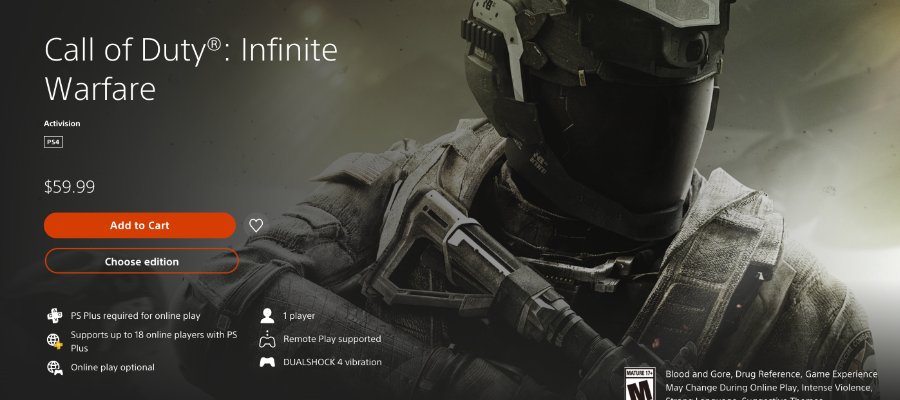
The process of how to trademark a game typically involves filing an application with your country’s trademark office, specifying the game’s title and any other brand elements you want protected.
So, you’ve poured your heart and soul into crafting the perfect game. You have a title that resonates and gameplay mechanics that players will adore. Protecting your creation is the next crucial step. Figuring out how to trademark a game can seem daunting, but with a clear process, it’s entirely achievable.
We’ll guide you through the steps involved in securing your intellectual property rights. This will ensure your hard work is not easily copied. You should understand what is required to properly trademark your unique game.

How to Trademark a Game: Protecting Your Creative Work
So, you’ve created an awesome game! Whether it’s a board game, a video game, a card game, or even a unique sport, you’ve poured your heart and soul into it. Now it’s time to think about protecting your hard work. One of the best ways to do this is by trademarking your game. A trademark helps make sure that no one else uses your game’s name or logo, which keeps your brand unique and safe.
Understanding Trademarks for Games
A trademark is like a brand name, logo, or symbol that shows where a product or service comes from. When you trademark a game, you’re not protecting the game itself (that’s where copyright comes in), but rather the things that identify your game, like its name or a special image or design that goes with it. Think of it like this: the title of your game “Space Explorers” is different from the actual rules and characters of the game. You can copyright your game’s code and artistic elements, but you need a trademark to protect its brand name “Space Explorers” so that no one else uses this name to sell their game.
What Can Be Trademarked?
- Game Titles: The name of your game is perhaps the most important element to trademark. This is how players will identify and talk about your creation.
- Game Logos: Any unique image, symbol, or design that is used to represent your game can be trademarked.
- Slogans: If you have a catchy phrase that’s associated with your game, you can trademark that too.
- Character Names: If your game has well-known, unique characters, you might be able to trademark those names if they are being used as a brand identifier.
- Unique Sounds: Yes, even distinctive sounds associated with your game can be trademarked if they are used as a brand identifier. Think of the jingle for a popular video game.
Why Trademark Your Game?
Trademarking your game is crucial for several reasons:
- Prevents Confusion: A trademark keeps other people from using your game’s name, logo or other branding elements on their own games, which can confuse customers.
- Builds Brand Recognition: A trademarked name or logo helps customers easily identify and remember your game, which builds brand loyalty.
- Legal Protection: Trademarks give you legal rights to defend your brand. If someone infringes on your trademark, you can take legal action to stop them.
- Increase Value: A trademarked game is often seen as more valuable, and that is good if you’re thinking of selling the game or its franchise.
The Trademark Process: A Step-by-Step Guide
Getting a trademark might seem a bit tricky, but if you follow the right steps, it’s actually not that complicated. Let’s break it down.
1. Conduct a Thorough Trademark Search
Before you do anything else, you absolutely need to make sure the name or logo you want to trademark isn’t already taken. It’s very important to do this before you spend money and effort on the application. Using a search tool like the U.S. Patent and Trademark Office (USPTO) website, you can look through existing trademarks. You should search for words, phrases, and logos that are the same as what you are planning or are similar enough that it might confuse a consumer. A trademark attorney can also help with these searches and give you advice on the likelihood of your trademark being approved.
- USPTO Website: The official website of the United States Patent and Trademark Office is your best place to start for US trademark searches.
- State Trademark Databases: Check your individual state’s trademark database because in some cases a mark may be only registered with the state.
- Professional Search Services: If you are feeling uncertain or if your brand is very important, you can have professionals to run the search for you for a fee.
2. Decide on the Goods or Services
When you apply for a trademark, you need to specify what goods or services you’re using the trademark for. There are many different categories, called “classes,” and your game will fall into one of these. For a game, you would likely select the class that includes games, toys, and recreational items. Think carefully and choose the class (or classes) that best fit your game and other related merchandise or services that you might also be providing.
Examples of Trademark Classes that could apply to games include:
- Class 28: Games and Playthings; gymnastic and sporting articles
- Class 9: Computer games software; downloadable video games; video game software
- Class 41: Entertainment services, including those related to games, such as the organization of game tournaments, or providing games online.
It’s also possible to choose several classes if your game expands to other areas, such as merchandise. Selecting the right class is important because that is the area that will get the protection.
3. Prepare and File the Trademark Application
Once you’ve chosen the right class or classes and confirmed your chosen trademark is available, it’s time to file your application. You can file online through the USPTO website or by mail if you are in the USA. If you are applying from outside of the USA, you must use a US attorney. The application will require your details, a clear version of your trademark (if it is a logo, you must include the image), and the list of the class(es) to which the mark applies.
The application will generally include the following information:
- Your Name and Address: The contact details for you or your business that is going to own the trademark.
- The Trademark: If it is words, you’ll provide the spelling, and if it is a logo, you’ll provide a clear image file.
- Goods/Services: This is where you specify the classes that your game falls under.
- Specimen of Use: This is evidence you are using the mark, such as images of the game box, game itself, or promotional material
- Filing Fee: You will have to pay a fee for the application to be processed.
Make sure to double-check all the details of your application because even a small error could delay the approval. You could hire a trademark attorney to help you prepare the application and avoid mistakes. The process is different for applications outside of the United States.
4. Examination by the Trademark Office
After you file your application, the trademark office will check it for completeness and accuracy. They will also search their records for similar trademarks. If there are no issues, your application will go on for publication in the Trademark Official Gazette. If there are issues, the Trademark Office will issue an “office action,” which is essentially a request for more information or clarification. You may need to provide additional documents, change some details of your mark, or even argue why your trademark doesn’t conflict with others. Respond promptly and completely to these requests.
5. Publication for Opposition
Once your trademark application is accepted, it will be published in the Trademark Official Gazette. This gives the public a chance to oppose the application if they think it’s too similar to their own brand or if they believe your trademark infringes upon their trademark. If nobody opposes, your trademark will move to the next step. There is no way to know if someone will oppose, but a proper search at the beginning can reduce the chances of any potential conflicts.
6. Registration of the Trademark
If no one opposes your trademark or you have overcome the opposition, the USPTO will proceed to officially register your trademark. The USPTO will issue a trademark registration certificate. At this point, your trademark becomes officially protected, and you can use the ® symbol next to your trademark. The process is generally similar in other countries, though you must apply through the local trademark office, and you should consult with a trademark attorney.
Trademark Symbols: TM and ®
It’s important to understand what the ™ and ® symbols mean:
- ™ (Trademark): You can use the ™ symbol as soon as you start using your trademark for your game, even before the trademark is officially registered. This shows that you are claiming ownership of the brand name, logo, or symbol.
- ® (Registered Trademark): You can only use the ® symbol after your trademark has been officially registered with the government. It shows that you have full legal protection for your trademark.
Maintaining Your Trademark
Getting your trademark registered is just the first part. You also need to keep it up to date by:
- Use the Trademark: You have to use the trademark on the products or services you registered it for. If you don’t use your trademark, you could lose it.
- Renewal: Trademarks must be renewed periodically. In the USA, you must file a Declaration of Use with the USPTO between the 5th and 6th years of registration and must renew the registration every 10 years. Other countries have different requirements.
- Monitor for Infringements: Keep an eye out for other companies or people who might be using your trademark without permission. If you find that someone is, you might need to take legal action to protect your trademark.
Copyright vs. Trademark for Games
It’s important to know the difference between copyright and trademarks. While both protect intellectual property, they do it in different ways. Copyright protects original works of authorship, such as the code, art, music, and the rules themselves in a game. A trademark, however, protects names, logos, and other elements that help consumers recognize a brand. Here is an example:
Let’s say you created a card game called “Mystic Realms.”
- Copyright: The artwork on the cards, the game rules written down in a document, and the music you created for your video game version of Mystic Realms are all covered by copyright.
- Trademark: The name “Mystic Realms,” your game’s logo, and any other unique designs used to identify the game would be covered by trademark.
When to Consult a Trademark Attorney
While you can handle the trademark process yourself, it might be good to hire a trademark attorney, especially if:
- You are not familiar with the process of applying.
- Your game has a complex brand identity that you want to make sure is fully protected.
- You have a dispute with another person or company over a trademark.
- Your application is being challenged by the Trademark Office.
- You are applying in multiple countries.
A trademark attorney will provide guidance through the entire process and ensure your brand is properly protected.
International Trademark Protection
If you plan to sell your game in more than one country, you must consider international trademark protection. There are several ways to get it:
- Filing in Each Country: You can file individual trademark applications in each country where you plan to sell your game. This is the most expensive and time-consuming, but may be necessary depending on your distribution plans.
- Madrid Protocol: The Madrid Protocol allows you to file a single trademark application that can cover multiple countries. This is a convenient way to apply for international trademark protection if the countries you plan to sell in are signatories of the Protocol.
- Contact a local Attorney: If you are planning on applying in various jurisdictions, it may be best to have an attorney in each jurisdiction assist you.
Be aware that the trademark laws and procedures are different in different countries. It’s crucial to research how trademarks function in each country where your game is sold to prevent any future issues.
Securing a trademark for your game is an important step in protecting your creative work and your brand. Doing the proper searching and following these steps will ensure you have a great foundation for your success and the long-term recognition of your game.
What game designers should know about copyrights and trademarks | Zachary Strebeck
Final Thoughts
To trademark a game, first choose a unique name and logo. Then, conduct a thorough trademark search with USPTO to avoid conflicts. Next, file your application, specifying goods and services. This process protects your brand.
Remember, you must include all necessary information in your application. Consider consulting an attorney for expert help to ensure you are doing everything correctly. Finally, understand the ongoing maintenance to preserve your trademark rights. Proper planning is key to successful trademark registration; know how to trademark a game.

