
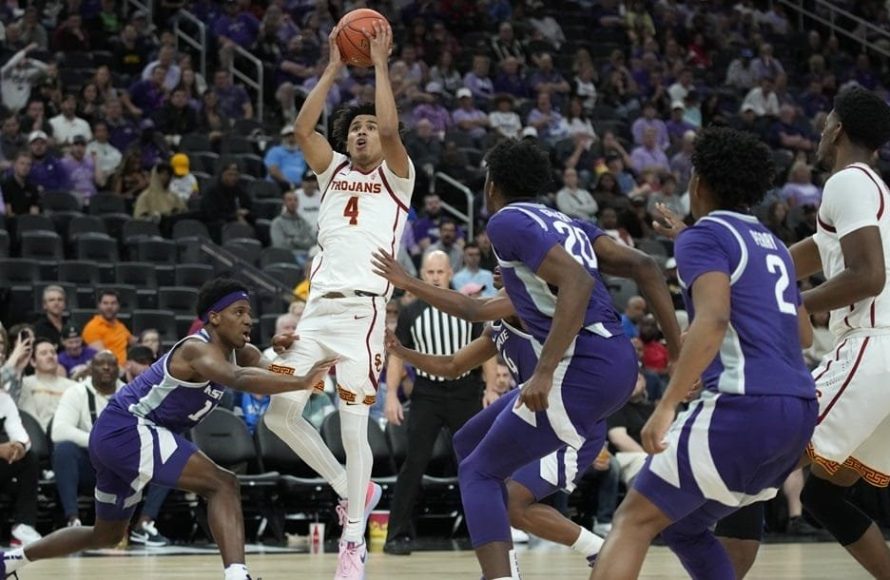
College basketball games typically take around two hours to complete, although the actual duration can vary slightly depending on factors like timeouts and overtime.
Ever wondered about the time commitment required to watch a full college basketball game? It’s a common question for fans and those new to the sport. Understanding exactly how long do college basketball games take can help you plan your viewing experience.
The average game clocks in at about two hours, encompassing the four quarters or halves, time-outs, and halftime. However, intense matchups, especially those needing overtime, will add extra time to the clock.

How Long Do College Basketball Games Take?
Okay, so you’re wondering how much time to set aside to watch a college basketball game, right? It’s a good question! College hoops are exciting, full of action, and it’s easy to get caught up in the game. But unlike, say, a movie, you can’t just check the back of the DVD case for the exact length. The game clock and the real-time clock work a bit differently. Let’s dive into the details of how long these exciting games actually last.
The Basics: Game Time vs. Real Time
First things first, we need to separate two things: “game time” and “real time.” Game time is what you see on the scoreboard – the actual time the clock is running during the game play. College basketball games have two 20-minute halves. That makes 40 minutes of game time. Seems straightforward, right? But that’s not the complete story. Real time, the time you experience while watching, is always much longer than the 40 minutes shown on the scoreboard.
Halftime and Timeouts
Okay, here’s why a 40-minute game takes way longer than 40 minutes. Let’s talk about breaks. There’s a 15-minute halftime break, where players rest and the coaches talk strategy. This is a fixed break, so it always adds 15 minutes to the real-time length. But it doesn’t stop there; timeouts make games last longer. Each team gets timeouts during the game. These are like little pauses where teams can regroup, draw up plays, and catch their breath. Think of them as mini breaks. There are full timeouts and short timeouts, which vary in length. On average, these timeouts usually range from 30 seconds to a little over a minute and are called quite frequently, especially near the end of a tight game. All of these pauses increase the overall length of a game.
The Impact of Fouls and Other Stoppages
Basketball games are full of action, and that action often leads to pauses. When players foul, the game stops. The referees have to make calls, and the fouled player goes to the free-throw line. Each free throw takes some time, plus there are pauses between the free throws. If the ball goes out of bounds, that’s another pause. If a player gets injured, the game stops for them to get help. These stoppages, all added together, can really make the game take longer in real-time. It’s hard to give an exact time for these because they change in each game, but they are always a big factor.
Average Length of a College Basketball Game in Real Time
Okay, so now we understand that a 40-minute game doesn’t equal 40 minutes of watching time. But, then how much time you should expect? Based on many observations, research, and statistical data we can determine that the average college basketball game takes around two hours to two hours and 15 minutes, including the halftime break and all the stoppages. While most games fit within this time, some can take a little less and others a little more. The game tempo, how many fouls are committed, and if the game goes into overtime are crucial factors.
Factors Affecting the Game Length
Several different things can make a college basketball game run shorter or longer than average:
- Number of Fouls: Lots of fouls mean lots of free throws, which make a game longer.
- Close Games: Close, hard fought games often lead to more fouls and more timeouts, which add to real time. If the game is close at the end, coaches use their timeouts to get a break. This makes the last few minutes of a close game take a good while.
- Blowouts: Games that aren’t close will often have fewer fouls and timeouts in the later stages, so they can sometimes be a bit shorter. However, this is not always the case. Sometimes, even in a blowout, coaches will call timeouts.
- Overtime: If the game is tied after 40 minutes, the game goes into overtime. Overtime adds five minutes to the game time, plus all the breaks and free throws that go with it. Overtime often stretches out the game length significantly.
- Pace of Play: Some teams play at a super-fast pace and this increases the amount of stoppages. Other teams play slower, which can reduce the number of stoppages, but it isn’t a definitive factor in the length of the game.
A Detailed Look at Timing
Let’s break down what a typical game might look like in terms of timing:
- First Half: 20 minutes of game time but usually takes about 40 to 50 minutes in real time due to stoppages.
- Halftime: A fixed 15-minute break.
- Second Half: Another 20 minutes of game time, but it will usually take 50 minutes to an hour of real time because of the increased stoppages in the second half. This means more timeouts and more fouls.
- Overtime (If Needed): 5 minutes of game time, but will usually take about 15-20 minutes of real time if overtime is needed.
Game Length Variations
While the average game length is about two hours to two hours 15 minutes, it’s important to know that there can be a decent range of variations. Here is some information on factors impacting game length that we’ve not touched on:
Tournament Games vs. Regular Season Games
Tournament games, especially those in the NCAA Tournament (March Madness), can feel longer due to the higher stakes. Coaches tend to use more timeouts, and the games can be more intense, leading to more fouls. The television networks also often insert more commercial breaks in these games, which increase the overall length. Regular season games might have a slightly faster pace if a team pulls away and the game is no longer competitive. This tends to reduce the amount of stoppages.
TV Broadcasts and Commercial Breaks
Television broadcasts play a huge role in how long a game takes to watch. TV networks add commercial breaks at certain points in the game. These breaks happen during timeouts, halftime, and other natural pauses. These commercials increase the total real time that it takes to watch a game, sometimes significantly. It’s part of how the networks make money, but it’s an important factor in game length.
Conference Variations
Different college basketball conferences can have slightly different game lengths due to their rules and style of play. Some conferences are known for slower, more methodical styles of play, leading to fewer possessions and fewer fouls. Others might see a fast pace, and this tends to be linked with more stoppages. While these differences usually do not lead to an enormous time difference, they could contribute to a variance of up to 10 minutes either way.
Understanding the Pace of Play
The pace of play is another major influence on how long the game takes. A fast-paced game with lots of scoring opportunities will typically include more stoppages due to fouls, out-of-bounds plays, and scoring. A slower, more defensive game might have fewer stoppages, although not always. Here’s a closer look at the pace and how it affects time:
Fast-Paced Games
Fast-paced teams tend to run a lot of possessions. The more possessions that a team has, the more chances there are for fouls, steals, or out-of-bounds plays. All of these stoppages can make the game take longer in real time. While the game time remains 40 minutes, these stops lead to more time added overall. A fast-paced game might take an average of 2 hours and 20 minutes.
Slow-Paced Games
A team that plays a more deliberate, slower style of play tends to have fewer turnovers and less running up and down the court. They try to find the best shot on each possession. That means less fouling and fewer out-of-bounds plays. A slower paced game will usually take around 1 hour and 50 minutes. But as stated earlier, this can change depending on how the game goes.
The Last Two Minutes
The last two minutes of a basketball game often take much longer than two minutes of real time. This is because of the timeouts and the stoppages due to fouls. Teams will foul to stop the clock so that they can try and steal the ball and gain possession. This strategic fouling means that the last two minutes can be a significant factor in the total real-time length of a game. The last two minutes can take anywhere from 10 to 20 minutes of real time. This is particularly the case in close games or must-win situations.
Practical Tips for Planning Your Viewing
So, how do you plan your day around a college basketball game? Here are some tips:
- Always Budget Extra Time: Don’t plan anything super important immediately after a game because you can’t know the exact time that the game will finish. Factor in that an average game will last around two hours to two hours and fifteen minutes.
- Check for Overtime Potential: If you’re watching a rivalry game, or a tournament game, it is very possible that it could go to overtime. So, be prepared for extra time.
- Plan for TV Commercials: If you’re watching a game on television, you’ll want to factor in additional time for commercial breaks.
- Be Flexible: Sometimes games will finish faster than expected and sometimes much longer. Be ready for that.
Understanding the different factors that influence the length of a college basketball game can help you plan your viewing. College basketball games are a great way to spend your time. The games often go down to the wire and can bring lots of excitement and joy. From now on, when you plan to watch college basketball, you will know exactly what to expect and how much time you need to plan. Enjoy the game!
Pittsburgh Panthers vs. Duke Blue Devils | Full Game Highlights | ESPN College Basketball
Final Thoughts
College basketball games generally last about two hours. The game clock runs for 40 minutes, divided into two 20-minute halves. However, timeouts, fouls, and halftime extend the total duration.
How long do college basketball games take? The actual time can vary. Expect a game to run anywhere from 2 to 2.5 hours. This time includes stoppages for various game related occurrences.

