
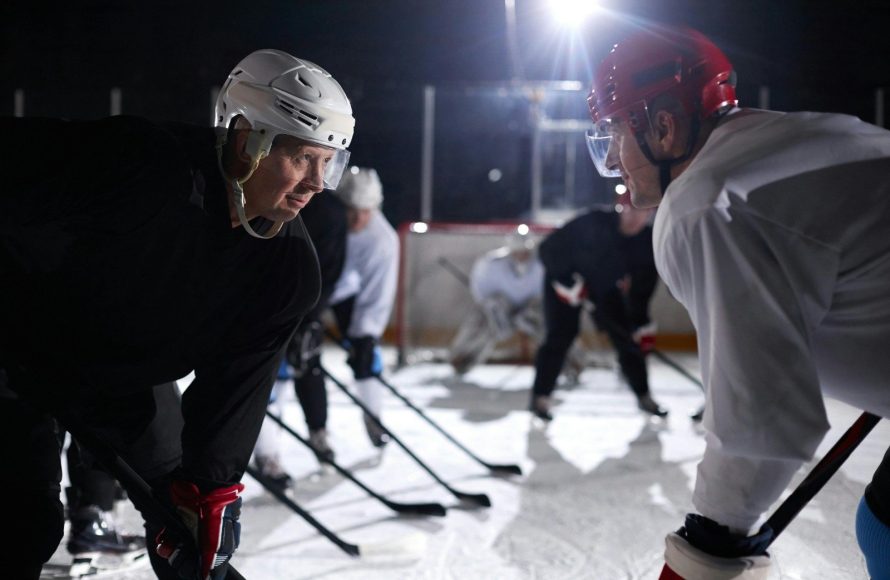
College hockey games typically last around 2.5 hours, including intermissions.
Ever wondered how long you’ll be cheering on your favorite college hockey team? The game clock, while crucial, doesn’t tell the whole story when figuring out how long do college hockey games last. These games have a specific structure that influences their overall duration.
Typically, a college hockey game consists of three 20-minute periods, but don’t forget about the breaks in between each period that add to the total time. These intermissions allow players to rest and coaches to strategize.

How Long Do College Hockey Games Last?
Alright, let’s dive into the exciting world of college hockey and figure out just how long these fast-paced games really are! If you’ve ever wondered how much time you need to set aside to watch your favorite team, you’ve come to the right place. It’s not quite as straightforward as a 60-minute clock. There are a few things that can change how long a game actually takes, but don’t worry, we’ll explain it all step-by-step so that you know exactly what to expect when you sit down to watch some college hockey action. It’s more than just the time on the clock; it’s also about the breaks, the penalties, and even those nail-biting overtimes!
The Basic Structure: Three Periods of Excitement
The core of a college hockey game is simple: it’s divided into three main parts, called periods. Think of them like three acts in a play. Each period is 20 minutes long. That’s 60 minutes of total playing time. However, the clock stops many times, so the actual time you’ll spend watching the game is a lot longer than 60 minutes. The standard length of play is 60 minutes. But you can’t expect to see 60 straight minutes of clock time in college hockey. These periods are the heartbeat of the game. During each period, the players skate like the wind, passing the puck, scoring goals, and delivering hits.
Clock Stoppages: Why the Game Takes Longer Than 60 Minutes
Now here’s where it gets a little tricky. While each period is supposed to be 20 minutes of playing time, the game clock doesn’t run continuously. It stops every time the whistle blows. Why does the whistle blow? There are many reasons! The most common ones are:
- Goals: When someone scores a goal, the clock stops for a moment of celebration and for the players to line up for the next play.
- Penalties: If a player breaks the rules, they get sent to the penalty box. When a penalty is called, the clock stops.
- Puck Out of Play: If the puck goes out of the playing area, the clock pauses until the puck is brought back into play.
- Icing: When a player shoots the puck from their side of the center red line down past the other team’s goal line without it being touched by another player, it’s called icing, and the play stops.
- Offsides: When a player crosses the offensive zone line before the puck, the play is ruled offsides, and the game stops.
- Time-Outs: Each team gets a timeout they can use, which stops the clock for a short while.
- Injuries: If a player gets hurt, the game pauses so they can get help.
All these clock stoppages mean that a college hockey game usually lasts a lot longer than the 60 minutes of official playing time. In reality, you should expect a game to take between 2 to 2.5 hours from start to finish. Keep in mind that time can vary if there are many goals, penalties or overtimes.
Intermission: A Break in the Action
In between periods, there are breaks called intermissions. These breaks are important for players to rest, for coaches to talk strategy, and for the ice crew to resurface the ice. This also gives the fans time to visit the concession stand or use the restroom. There is a short 15 – 18 minute intermission between each period and this time doesn’t count towards game time.
Why Ice Resurfacing is Important
Have you ever wondered why they resurface the ice? It’s because all that skating and stopping can make the ice rough. Imagine trying to skate over little bumps and grooves! A smooth ice surface allows the puck to travel more easily and lets the players skate their best. That’s why they use a special machine to resurface the ice during intermissions. This special machine smooths and cleans the ice, making it perfect for another period of hockey. This is important for better performance of both the players and the puck and ensures that the play remains exciting.
The Intensity of Overtime: When the Game Goes Extra
Sometimes, after three periods, the score is still tied. When this happens, things get even more exciting! The game goes into overtime. In college hockey, overtime is different from professional hockey. The way it works depends on the type of game being played.
Regular Season Overtime
In regular season games, the teams play a five-minute overtime period. This overtime period is sudden death, which means that the first team to score a goal wins the game! If no one scores in the five-minute overtime, the game ends in a tie.
Playoff Overtime: No Ties Allowed
Playoff games are different! In playoff games, there are no ties. If the score is tied at the end of the three periods, they keep playing overtime until someone scores. This means that overtime in a playoff game could last a very long time! In these games, teams play 20-minute overtime periods. If the first overtime ends with a tie, teams will move to second overtime period, and keep playing, until a goal is scored. College hockey playoff overtime can sometimes become epic! You never know how long these games can last.
Factors That Affect Game Length
So, we know the basic rules, but a few things can make a game shorter or longer. Here are the main ones:
- Number of Penalties: The more penalties, the more the clock stops, and the longer the game takes. If a team has a lot of penalties, it can really stretch the game out.
- Number of Goals: Every time a goal is scored, the clock stops. So, if a game has a lot of scoring, expect it to take a little longer.
- Injuries: If there are injuries, the clock stops so players can get medical attention. Serious injuries can sometimes cause significant delays to the game.
- Video Reviews: Sometimes, referees need to use video reviews to make important decisions about penalties or goals. These reviews can take up some time.
- Lengthy timeouts: If both teams use their timeouts during crucial periods, then that also adds up the game time.
Average Game Duration: What to Expect
Let’s put all the pieces together! While a college hockey game has 60 minutes of playing time, most games take between 2 to 2.5 hours. This extra time comes from all the stoppages and the intermissions. If the game goes to overtime, especially in the playoffs, it can go much, much longer.
Here is a simple breakdown of the average time of each game:
- Playing Time: 60 minutes (three 20-minute periods)
- Intermissions: Two 15-18 minute breaks
- Stoppages: Can range from 30 minutes to 1 hour
- Total Average Time: 2 to 2.5 hours
- Overtime: An extra 5 minutes in regular season games (potential for multiple 20-minute periods in the playoffs)
How To Plan Your Game Day
Knowing how long a game can take, it’s a great idea to plan ahead. Here’s what you should think about when you’re getting ready to go see a college hockey game:
- Check Start Time: Make sure you know exactly when the game starts. This can help you plan how early you should arrive at the arena.
- Allow Extra Time: Always add some extra time to your schedule, just in case the game runs longer. Remember, overtime can sometimes be unpredictable!
- Plan for Meals and Snacks: With a game taking about 2.5 hours, you might need to think about when to eat or grab a snack. You can also think about the food and drinks that are available at the arena.
- Transportation: Think about how you’ll get to the game and back home. Consider if there will be traffic or parking delays.
- Comfort: Since you’ll be there for a few hours, dress comfortably. Wear layers, in case the arena is chilly.
College Hockey vs. Other Hockey Leagues
It’s interesting to compare how long college hockey games are with other hockey leagues. Here’s a quick look:
National Hockey League (NHL)
NHL games also have three 20-minute periods. However, the rules for overtime and other details differ slightly. While the core game length is the same, the stoppages and other factors can affect the overall time. Usually, an NHL game may take about 2.5 – 3 hours.
Other Minor Hockey Leagues
Minor hockey leagues sometimes have shorter periods than college hockey. The rules may vary slightly depending on the league, which will affect the time. These games also tend to have fewer stoppages.
The Differences
College hockey often includes a mix of fast-paced action and strategic play. Each league has its own unique pace, which is often influenced by rule variations, player skill levels, and game flow.
Here’s a little table to show the differences:
| League | Period Length | Typical Game Length | Overtime |
|---|---|---|---|
| College Hockey | 20 minutes | 2 – 2.5 hours | 5 minute sudden death (regular), 20 minute until someone scores (playoffs) |
| NHL | 20 minutes | 2.5 – 3 hours | 5 minutes (3-on-3), shootout (regular), 20 minutes (playoffs) |
| Minor Leagues | Can vary | Can vary | Can vary based on league |
Hopefully, this helps clarify how long college hockey games last! Now you know it’s not just about the 60 minutes of playing time. It’s about all the excitement, the intermissions, and potentially, that thrilling overtime. Knowing what to expect is key to enjoying every moment of the game!
So, next time you’re planning to watch a college hockey game, you’ll be prepared. Just remember to settle in and enjoy the game. And who knows, you might even see an epic overtime game that you’ll remember forever!
Boston College vs Denver | NCAA Hockey Frozen Four Final | Highlights – April 13, 2024
Final Thoughts
College hockey games typically last around 2.5 hours, with the three 20-minute periods punctuated by intermissions. This time can vary slightly due to penalties, overtime, and stoppages in play. So, how long do college hockey games last? Usually, plan for a bit over two hours to fully enjoy a game.
Actual game time is sixty minutes but breaks extend the overall duration. Overtime periods, if needed, add to the game length. Therefore, fans should anticipate the total experience can extend beyond the core playing time.

