
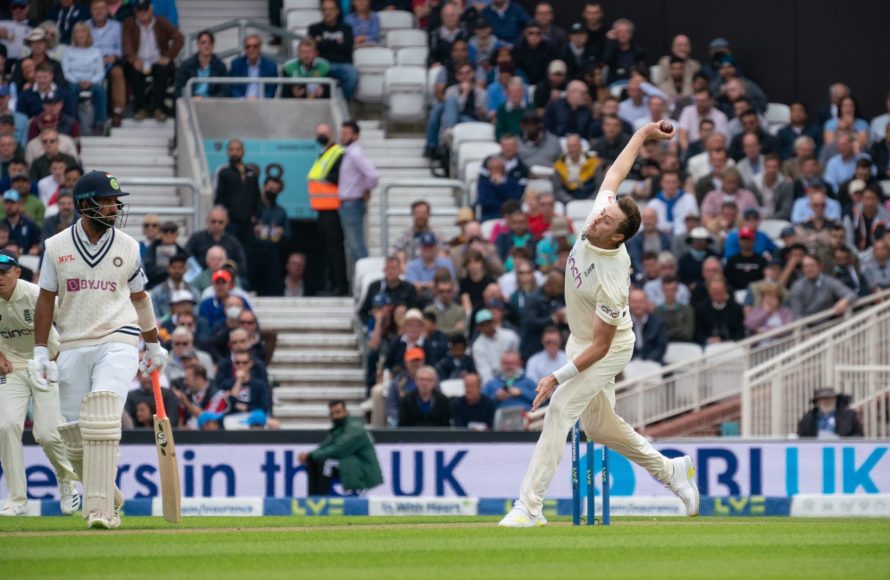
The duration of cricket games varies significantly, with test matches lasting up to five days, while limited-overs formats like ODIs and T20s typically conclude within a single day.
Ever wondered how long do cricket games last? The answer isn’t a simple one, as the length differs greatly depending on the format of the match. You might sit through a thrilling five-day Test match, or a shorter, more action-packed T20 game.
It’s important to note that cricket comes in several formats, each designed to offer a different experience for players and spectators alike. That’s why understanding the variety in length is key to enjoying this sport.

How Long Do Cricket Games Last?
Cricket, a sport loved by many around the globe, isn’t a quick game you can wrap up in an hour. It’s a strategic, often slow-building spectacle that can take hours, sometimes even days, to complete. But how long does a cricket match really last? Well, that’s a great question, and the answer isn’t straightforward. The length of a cricket game depends on the specific format being played. Think of it like having different sizes of pizzas – some are small, some are medium, and some are huge. We have T20, One Day Internationals (ODIs), and Test matches, and each has its own typical duration. Let’s delve into the specifics and understand how much time each of these formats takes on the field.
T20 Cricket: The Fast-Paced Thrill
T20, or Twenty20 cricket, is like the express train of the cricket world. It’s designed for speed and excitement, making it perfect for a shorter attention span. This is the format you see in leagues like the Indian Premier League (IPL), Big Bash League (BBL), and many other national and international tournaments.
How Long Does a T20 Match Last?
A typical T20 match usually lasts around 3 to 4 hours. It’s the shortest format of the game, hence the ’20’ in the name, referring to each team batting for a maximum of 20 overs. Here’s the basic breakdown:
- Each team bats for 20 overs. An over means a bowler bowls six legal balls.
- There’s a short break between innings which is generally 15-20 minutes long.
- Add a little time for the start, breaks for injuries and umpires discussions, and you’re looking at approximately 3 to 4 hours total game time.
Because T20 matches are much shorter than other forms, they draw huge crowds and are great for evening entertainment.
One Day Internationals (ODIs): A Day’s Play
One Day Internationals, or ODIs, step up the game in terms of time commitment. These matches are longer than T20s and are generally played over the course of a single day. Think of famous events like the Cricket World Cup; a lot of those matches are ODIs.
How Long Does an ODI Match Last?
An ODI match typically lasts around 7 to 8 hours, including the breaks. Let’s see what contributes to the length:
- Each team bats for a maximum of 50 overs.
- There is a longer innings break (usually 30-45 minutes) between the first and second innings.
- There can be smaller breaks throughout the match such as drinks breaks.
- Considering the time for warm-up, the toss, and any delays, a match can easily stretch to 7-8 hours.
ODIs are a nice balance between the fast action of T20 and the strategic depth of Test cricket. They offer plenty of opportunities for both batsmen and bowlers to show their skills over a considerable period.
Test Matches: The Ultimate Endurance Test
Test match cricket is the classic and most traditional format of the game, known for its depth and duration. It’s not played over a few hours but rather over multiple days. This format is the ultimate test of a player’s skill, temperament, and stamina.
How Long Does a Test Match Last?
A Test match is scheduled to last up to 5 days, with play generally lasting around 6 hours each day. Here’s a closer look:
- A single Test match can span up to five days.
- Each day generally sees about six hours of play.
- There are multiple intervals during the day. A lunch break usually lasts 40 minutes and the tea break lasts 20 minutes.
- The aim of the match is to dismiss the opposing team’s batsmen twice within these five days or to score more runs then the opposing team.
It’s important to understand that Test matches don’t always last the full 5 days. If a team manages to get the opposition out twice (known as taking 20 wickets) before the 5 days are up, the match ends before the end of Day 5. The match can also end in a draw which is when the allocated time expires and a result hasn’t been reached. Test cricket is a game of patience and mental strength, and this format is truly an epic challenge for the players and a treat for the viewers.
Factors Affecting Match Duration
While the format of the game primarily determines the length, other factors can also impact how long a cricket match lasts. Here are a few things that can affect playing time:
- Weather: Rain is perhaps the most disruptive factor in cricket. Rain delays can interrupt play and even cause a game to be shortened or abandoned altogether. In Test matches, rain can sometimes mean that an entire day is lost.
- Light: In Test matches, poor lighting can stop play as it becomes unsafe for players. As natural lighting changes throughout the day, especially during the afternoon, poor light can bring play to a halt.
- Injuries: Unfortunately, cricket is a sport where injuries do happen. If a player is hurt badly, it may take some time for them to get treatment, leading to delays in the game.
- Slow over rates: When the bowling team takes too much time between overs, it can slow the game down considerably. Umpires can penalize a team with slow over rates, but it still extends the overall match time.
- Strategic delays: Teams sometimes deliberately slow down the game for tactical reasons. This is more common in Test matches when teams aim to stall for time in a particular situation.
The Different Formats Summarized
To help you visualize the different durations of each format, let’s take a look at a quick comparison table. This will make it easier to see how the different match lengths compare:
| Format | Typical Match Duration | Main Features |
|---|---|---|
| T20 | 3 – 4 Hours | 20 overs per innings, fast-paced, great for entertainment. |
| ODI | 7 – 8 Hours | 50 overs per innings, played in a day, good mix of action and strategy. |
| Test Match | Up to 5 Days | No over limit, usually 6 hours play a day, tests endurance and skill, the most traditional format. |
Why Does Each Format Have a Different Length?
Each format has a specific purpose. T20 is about short bursts of entertainment. ODI’s offer a balance of skill and time, while Test matches are the ultimate test of endurance and tactical play. This variety allows cricket to appeal to a wide audience, from those who want a quick match after work to die-hard fans who enjoy the ebb and flow of a 5-day Test. Each format offers different strategic challenges, requiring players to adapt their styles accordingly.
So, the next time you see cricket on TV or head to a match, you’ll know that it is more than just a ball and bat. The varying durations make each form unique and provide different experiences for players and viewers alike. The time spent in a match is just part of what makes cricket so interesting. Whether it is the intense action of a T20, the long-play of an ODI, or the drawn-out strategies of a Test, there is a time format for everyone’s taste.
The Rules of Cricket – EXPLAINED!
Final Thoughts
Cricket game durations vary significantly. Test matches can span five days, while a One Day International (ODI) typically lasts for around eight hours. T20 matches are much shorter, usually concluding in about three to four hours.
So, how long do cricket games last? It really depends on the format. The type of game significantly dictates its length, from lengthy test matches to quick T20 encounters.

