
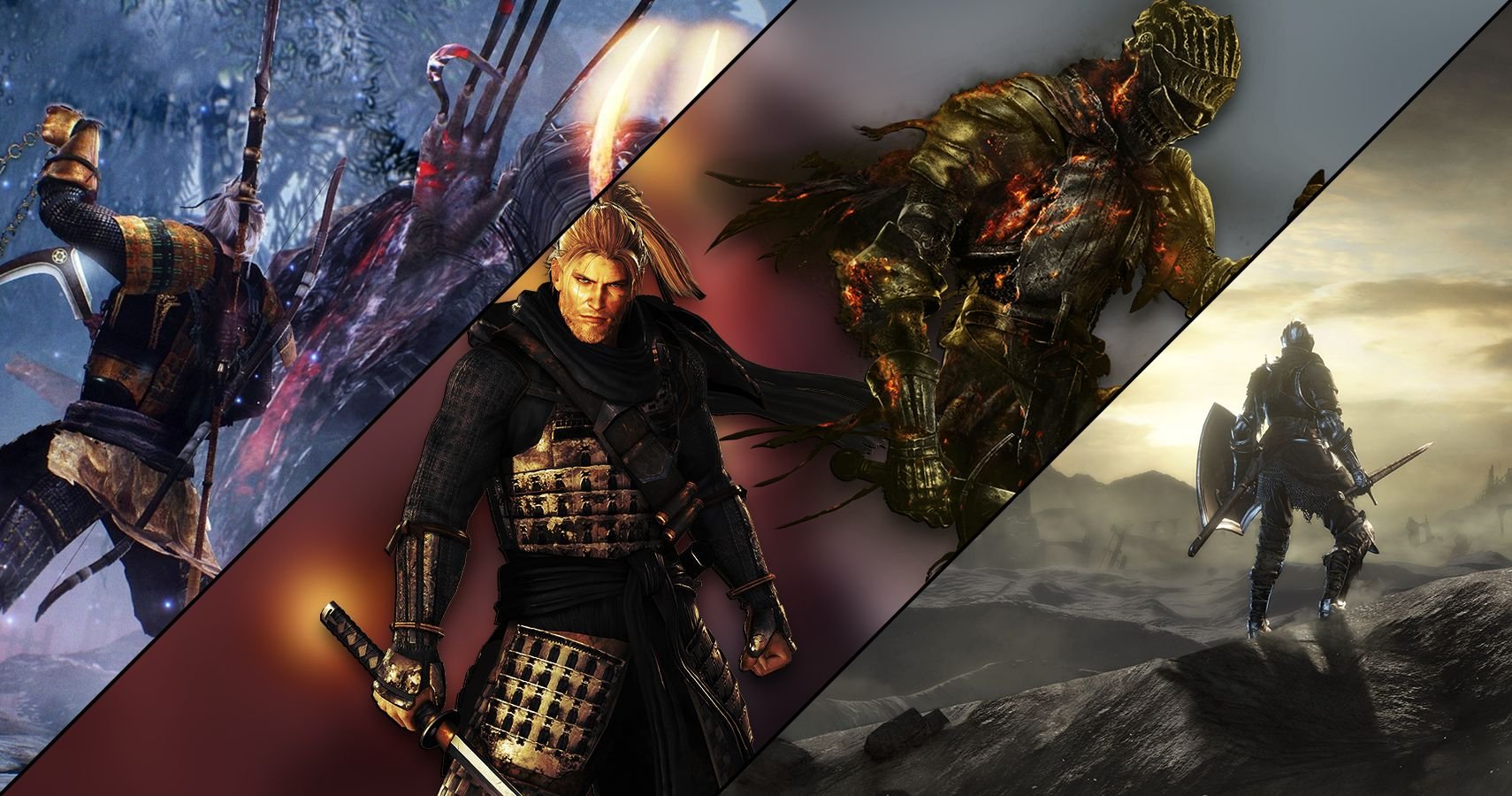
Yes, Nioh shares many core mechanics with Souls games, such as challenging combat, stamina management, and losing currency upon death, but it also includes unique features like stances and loot.
Is Nioh a Souls game? This is a question many action RPG fans ponder. The combat feels familiar, doesn’t it? You’re dodging and managing your ki, a system very similar to stamina.
The structure of levels, the way you collect experience, and the punishing death mechanic do remind you of those games. Yet, Nioh presents its own twist on things. You’ll quickly see how different its systems really are compared to a typical Souls style game.

Is Nioh a Souls Game? Unraveling the Similarities and Differences
The question “Is Nioh a Souls game?” pops up a lot in the gaming community. Both Nioh and the Dark Souls series have a reputation for being difficult, action-packed RPGs. But are they the same? Let’s dive deep and explore what makes them alike and what sets them apart. We’ll look at combat, level design, story, and other aspects, to give you a clear picture of their similarities and differences.
The Core Combat: A Dance of Death
The combat systems are the most obvious place to start, since it’s where most of the comparisons come from. Both Nioh and Souls games involve calculated and often punishing combat. You can’t just button-mash your way to victory. Let’s break down the elements that draw parallels.
Stamina Management: The Breath of Survival
A crucial part of the combat is managing your stamina or, in Nioh’s case, Ki. In both games, every action – attacking, dodging, blocking – uses stamina/Ki. Run out, and you are left vulnerable. You must learn to attack carefully, timing your strikes and creating openings. This similarity is a key reason people often think of them as the same type of game. They both teach you to respect every enemy, and every encounter.
Lock-On System: Focusing on the Threat
Both series utilize a lock-on system that lets you focus your attacks on a specific enemy. It’s not about just swinging your weapon blindly; it’s about facing your opponent and maneuvering around them, making sure each strike counts. Locking on lets you control distance, circle your foes, and use your surroundings.
Punishing Difficulty: Prepare to Die (a Lot!)
Both Nioh and Souls games have a reputation for being very hard. Dying is part of the learning experience. Each time you fail, you get to try again with the new knowledge you’ve gained from your mistakes. You will die – a lot – to regular enemies and bosses alike. But the sense of accomplishment when you overcome these challenges is really rewarding. You are forced to become better, which is a huge appeal.
Diverging Paths: Where Nioh Finds Its Own Identity
While Nioh borrows some ideas from Souls games, it takes these concepts in its own direction. These differences are what give Nioh its distinct identity.
Combat Depth: Stances and Ki Pulse
Nioh’s combat goes much deeper than the usual dodge and strike routine. Nioh introduces stances, Ki pulse, and living weapon which creates a layer of complexity that is not found in the Souls series.
- Stances: Nioh has three different stances – high, mid, and low – which change how your character moves and attacks. High stance has slow but powerful attacks, mid is balanced, and low stance is fast, but with lower damage. You must learn to switch stances to adapt to different combat situations.
- Ki Pulse: After attacking, you can press the right bumper button to perform a Ki Pulse. If timed correctly, you’ll recover a portion of your Ki faster and also remove the negative effects of Yokai realms. This mechanic allows for very aggressive gameplay.
- Living Weapon: This powerful ability allows you to temporarily become a super-powered version of yourself.
These systems create a combat style that is quicker and more tactical than the combat found in Souls games.
Mission Based Structure vs. Open World
The level design is a major area of difference between Nioh and Souls games. Souls games typically feature a large, interconnected world that players can explore freely, with shortcuts and hidden areas. Nioh, on the other hand, has a mission-based structure. You choose missions from a map, and each mission is a unique level. This allows for a more linear experience and more variation in the levels’ setting.
- Souls Games: The world of a Souls game is a huge interconnected area. You can explore and discover new places as you go. You will find short cuts and hidden routes, which makes the exploration feel very rewarding.
- Nioh: Levels are individual missions that are chosen from a world map. This means you might be fighting in one area with many Japanese styles, and then next might be in a cave. This mission structure gives you more focused experiences.
Loot and Customization: Gear Grind
Nioh is much more focused on loot than Souls games. There are many different types of weapons, armor, and accessories, each with their own stats, level, and attributes. You will spend a lot of time collecting loot and building your perfect character build.
| Feature | Souls Games | Nioh |
|---|---|---|
| Loot Focus | Less focus on loot, more on finding specific, powerful items | Heavy focus on loot; equipment has many attributes and variations |
| Character Customization | Basic customization; builds are limited | Extensive customization through gear and stats |
This difference is quite big. Souls games tend to have less emphasis on random loot. You usually get a unique item in set locations. While both have ways to customize your character, the focus on finding equipment and creating a build is significantly higher in Nioh.
Story and Setting: Historical Fiction vs. Dark Fantasy
The setting and story are very different as well. Souls games are known for their grim, dark fantasy worlds with lots of cryptic lore. Nioh is based on real-world Japanese history and mythology.
- Souls Games: Typically feature a dark, high fantasy setting with mysterious and often melancholic stories. You must piece together the lore from item descriptions, environmental details, and very few cutscenes.
- Nioh: Nioh has a historical fantasy setting, pulling characters and events from real-world Japanese history. The story is more direct with a clear narrative and lots of characters.
These differences shape the overall experience. Souls games tend to be more about exploring and finding out the lore as you go, while Nioh has a more direct story and focuses on the action combat.
The Impact of the ‘Souls-like’ Label
The term “Souls-like” has been used to categorize many games with the same punishing difficulty and combat. While Nioh does share some features with Souls games, it would be more accurate to say it takes those core ideas and develops them further into its own thing.
The “Souls-Like” Misconception
The “Souls-like” label is sometimes used to describe a very broad set of games. While it’s useful to quickly show what the game is like, it can sometimes stop people from seeing how games are different.
Nioh took things that were already present in Souls games and made its own complex combat system. It is not just a Souls game clone.
Nioh made it very apparent that it is more of its own unique game that has elements of combat from Souls games.
What Nioh Brings to the Table
Nioh provides much more than just challenging fights.
- Fast-Paced Action: Nioh’s combat is more fluid and faster than Souls games. You will get more used to switching between different stances and timing your Ki Pulse to attack consistently.
- Deep Customization: The loot system offers a great chance to make your character your own by making new builds and trying different strategies.
- Historical Context: The real-world setting of Nioh makes it stand out from fantasy games. If you like Japanese history and myths, you will find a lot to enjoy.
Nioh is a game that is clearly inspired by, but not the same as, the Souls games.
So, is Nioh a Souls game? The answer is a nuanced one. Nioh certainly shares some key elements with Dark Souls – things like the demanding combat, stamina management, and the learning curve that makes you keep playing. However, Nioh’s unique combat mechanics like stances and Ki Pulse, its mission-based level structure, the heavy focus on loot, and its historical setting all contribute to making it a distinct gaming experience. Instead of seeing Nioh as a copy of a Souls game, it is better to view it as a game that has been inspired by it, but has its own vision.
Is Nioh As Hard As Dark Souls? – IGN Plays Live
Final Thoughts
Nioh presents a challenging experience with stamina management and punishing combat. The level design and loot system also share similarities with FromSoftware titles. However, the combat system in Nioh feels distinct, featuring stances and ki pulsing.
Ultimately, despite clear influences, is Nioh a souls game is debatable. Nioh carves its own identity with unique mechanics and faster paced battles. The gameplay feels significantly different than a souls game.

