
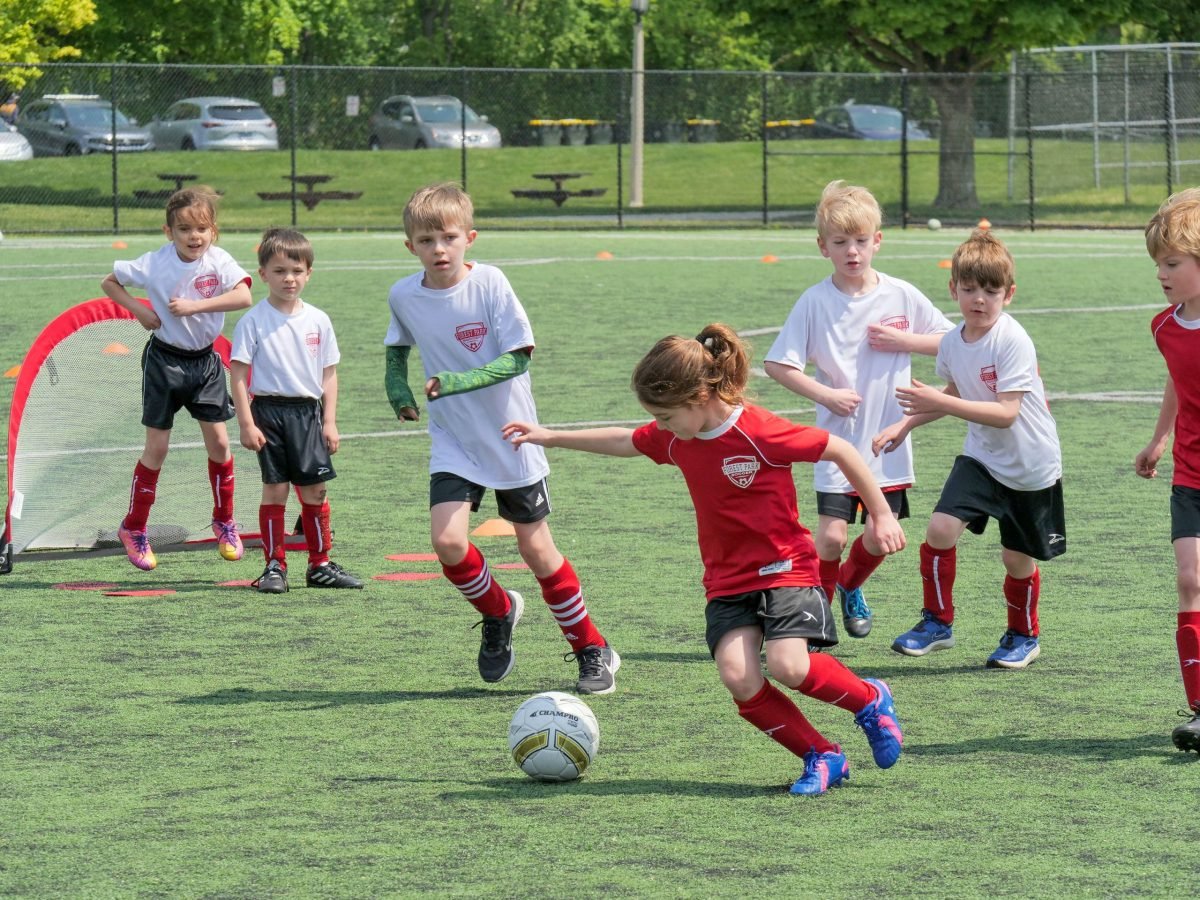
Youth soccer game length varies by age group, typically ranging from 40 to 90 minutes, often split into two halves.
Ever wondered how long is youth soccer game? It’s a common question for parents and new players alike. The duration isn’t a one-size-fits-all deal, differing quite a bit as children grow and progress through different age divisions.
Shorter games are more suitable for very young kids to manage their energy. The older groups can handle longer playtimes. This ensures a fair game that suits everyone’s development and stamina.

How Long Is a Youth Soccer Game?
Ever wondered exactly how much time your young soccer star will spend on the field? It’s a common question for parents, coaches, and of course, the players themselves! The length of a youth soccer game isn’t a one-size-fits-all answer; it changes based on age group and league rules. Let’s dive deep into understanding the different durations you’ll encounter in the world of youth soccer.
Age Groups and Their Game Durations
The primary factor determining game length is the age of the players. Younger kids need shorter games to keep their focus and energy levels up, while older kids can handle longer play times. Let’s look at the typical game durations for different age brackets:
Under 6 (U6) Soccer
For the very littlest players, soccer is all about learning the basics and having fun! At this age, games are kept short to prevent exhaustion and keep their interest. Typically, U6 games are:
- Played in two halves
- Each half lasting 15 minutes
- Total game time of about 30 minutes
Don’t expect a lot of structured play at this level. It’s more about getting comfortable with the ball and running around on the field!
Under 8 (U8) Soccer
As kids get a little older, they can handle a slightly longer game. U8 soccer still focuses on skill development and fun. Here’s what you can usually expect:
- Two halves of play
- Each half being 20 minutes long
- Total game time reaching about 40 minutes
At this stage, you’ll start to see a bit more structure to the game, but it’s still mostly about skill learning and fun. There are still frequent substitutions to ensure every player gets ample time on the field.
Under 10 (U10) Soccer
Things start to feel a little more serious, and the game lengths increase slightly. At the U10 level, expect the following:
- Two halves of play
- Each half spanning 25 minutes
- Total game time about 50 minutes
Players at this age are starting to understand positions and basic strategies, while the physical demands increase, thus requiring slightly longer game durations.
Under 12 (U12) Soccer
As the kids become more skilled and physically developed, the game length increases further:
- Two halves
- Each half consists of 30 minutes
- A total game time of around 60 minutes.
Tactics and teamwork play an essential role in U12 games, and you will see more structure and skill in the players’ techniques.
Under 14 (U14) Soccer and Above
At U14 and older age groups, the game length starts to align more closely with standard soccer game durations. Here is what you’ll find:
- Two 35-40 minute halves
- Game times can be 70 or even 80 minutes, depending on the league and competition level
By this stage, players are nearing the physical and tactical capabilities seen in adult games. They are learning the more complex strategies of the game. The game lengths reflect this increased intensity and player capabilities.
Halftime Breaks and Extra Time
Apart from the total playing time, there are other important times to consider. Halftime is a time to rest, hydrate, and hear strategy talks from the coaches. It provides a critical break to maintain energy levels throughout the match.
Halftime Duration
Halftime duration is generally pretty consistent across different youth age groups. You can expect a halftime break of about:
- 5 to 10 minutes
This short break is beneficial for the players to rest and re-energize before heading into the second half.
Extra Time and Overtime
Unlike adult soccer matches, youth soccer games don’t usually have extra time or overtime during regular season play. When games are tied at the end of regulation, they often end in a draw. However, things can change during tournament or playoff games. In these situations, you might see some extra time:
- In some leagues or tournaments, you may have two short extra periods if there is a tie in the match.
- These extra time periods are usually 5-10 minutes each.
- If the game is still tied, the match may go to penalty kicks to determine a winner.
It’s always best to verify the specific rules of a tournament if you’re unsure about extra time guidelines.
Understanding the Factors Affecting Game Duration
Several factors influence how long a youth soccer game might last. While age is the primary determinant, other aspects play a role:
League Rules and Regulations
Different leagues and governing bodies at the state or national level might have slightly varying rules about game durations. Some leagues might opt for shorter game times for younger groups to focus on skill and learning over competition. Others may increase the duration for higher skill development and fitness.
Tournament Specific Rules
Tournament games can have their own set of rules, especially when it comes to game lengths and overtime procedures. Tournament organizers often prioritize the pace of games. This means they may shorten game durations to fit more games into a day or they may include overtime periods to get conclusive results. Be sure to always check the tournament guidelines provided.
Competitive Level
The level of competition can impact game lengths. Recreational leagues may focus on shorter, more relaxed game durations, while more competitive leagues or club soccer may have games that are a little longer, particularly for older players.
Travel Time and Time Constraints
Sometimes the length of the games might be adjusted slightly to fit within travel constraints or to ensure the schedule doesn’t go over. Local associations might need to make adjustments to ensure all matches can fit into the day and fields are available. Keep this point in mind for long-distance travel games.
Weather Conditions
In extreme weather, such as very high temperatures, the game can be shortened. In such circumstances, the organizers and the referees usually make provisions for additional water breaks. The safety of the players is always paramount. The games might get delayed or cut short if the conditions are very harsh and not safe for playing.
Why These Game Lengths Are Important
You may wonder why game durations are set the way they are for youth soccer. Here are several reasons:
Maintaining Focus and Engagement
Shorter games keep the attention of younger players. They’re more likely to stay engaged and enjoy the game when the playing time is appropriate for their age. Longer games for younger age groups can lead to fatigue and boredom. It impacts learning opportunities, as tired players tend to lose focus.
Skill Development
Appropriate game durations allow ample time for kids to practice skills and put them into action during the game. A balanced length allows coaches to teach fundamental techniques and strategies. Players are able to repeat skills without over tiring themselves.
Physical Well-being
Shorter games for the young kids are important for their physical well-being. It prevents excessive fatigue and potential injuries. The game duration is gradually increased to match the increasing physical capacity of the players. This careful progression promotes physical well-being.
Learning Teamwork
Game durations are such that they teach kids teamwork in a balanced manner. With enough game time, kids learn to work together and communicate effectively on the field. It promotes a healthy level of competition and collaboration.
Fun and Enjoyment
Ultimately, the aim is that kids enjoy their time on the field. The game durations are made so that they find the game exciting and enjoyable. With age-appropriate game lengths, they develop a genuine love for the game.
Quick Guide to Youth Soccer Game Lengths
Here’s a simple table to help you quickly reference typical game times:
| Age Group | Halftime Length | Halves | Game Time |
|---|---|---|---|
| U6 | 5-10 Minutes | 2 Halves (15 Minutes Each) | 30 Minutes |
| U8 | 5-10 Minutes | 2 Halves (20 Minutes Each) | 40 Minutes |
| U10 | 5-10 Minutes | 2 Halves (25 Minutes Each) | 50 Minutes |
| U12 | 5-10 Minutes | 2 Halves (30 Minutes Each) | 60 Minutes |
| U14+ | 5-10 Minutes | 2 Halves (35-40 Minutes Each) | 70-80 Minutes |
Keep in mind that these are typical durations. Always verify specific rules for your local league or tournament. With this knowledge, you are well equipped to understand exactly how much time your little soccer star will be playing on the field!
Understanding how long a youth soccer game is helps parents, coaches, and players prepare effectively. From the little ones in U6 to the developing athletes in U14 and above, knowing the different game lengths ensures everyone is ready for game day. This structured approach is key to a child’s positive development and enjoyment of soccer.
Wasatch JS vs L30 Barca – U12 D1 Soccer
Final Thoughts
Youth soccer game lengths vary by age group. Younger players often have shorter games. Older kids play longer matches. This ensures appropriate physical exertion.
Typically, under-6 games last about 40 minutes. Under-10s may play for 60 minutes. High school games can go for 80 minutes. The central question of “how long is youth soccer game” depends on age.
Therefore, knowing your child’s age group helps to determine the game duration. Always confirm specific times with the league organizer.

