
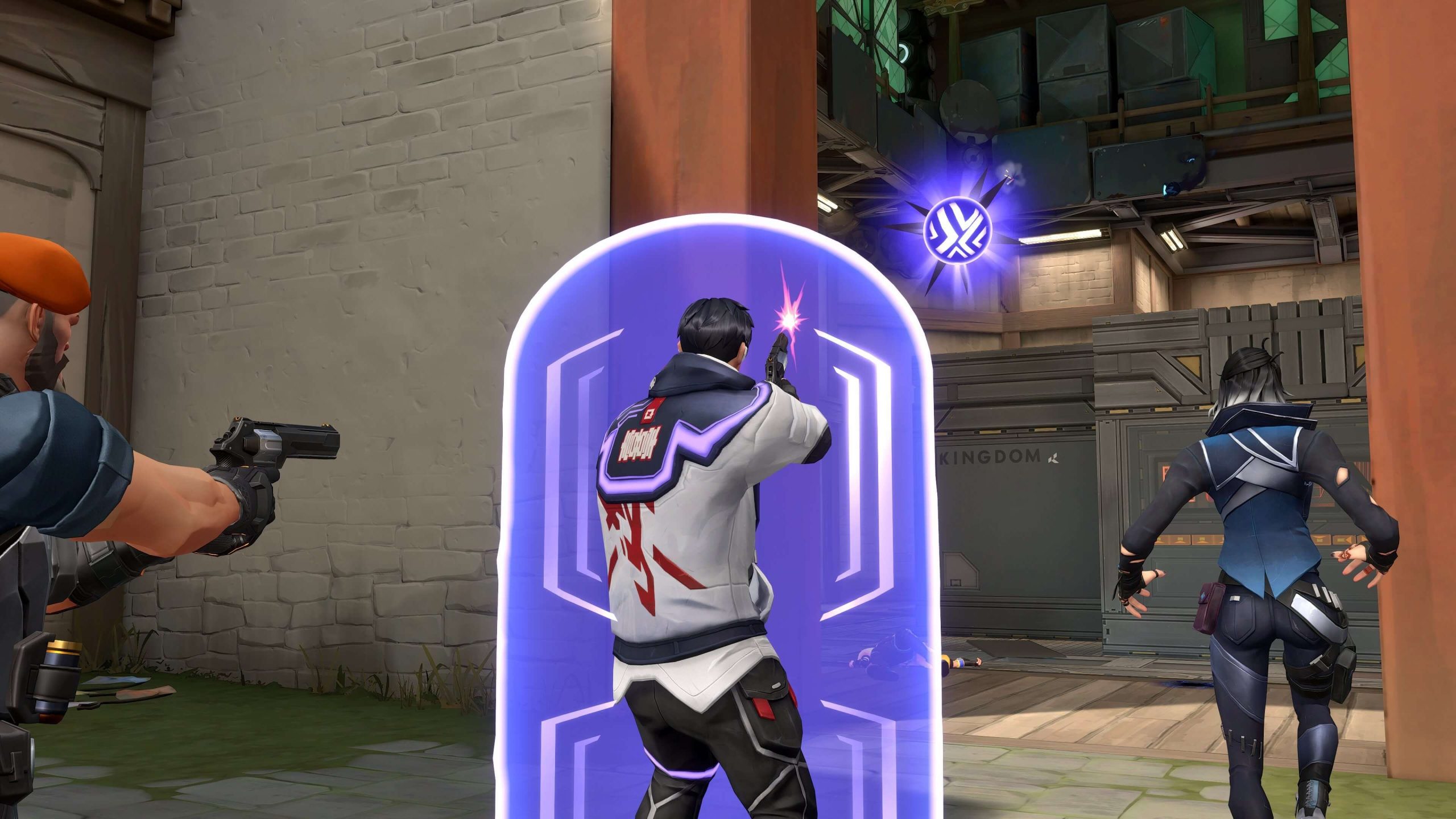
Placement games in Valorant determine your initial rank by assessing your performance across several matches. The system analyzes your combat scores and win/loss record to place you into a suitable tier.
Curious about how you start your competitive journey in Valorant? Many new players wonder, “how do valornat placement games work?” It’s a crucial stage that sets the foundation for your ranked experience. This process carefully evaluates your skills to place you in a rank that matches your abilities.
These first few matches are critical. The system is watching your every move, from how well you frag to how often you secure wins. Ultimately, this data contributes to the placement decision.

How Do Valorant Placement Games Work?
So, you’re ready to jump into the competitive world of Valorant? That’s awesome! But before you can start climbing the ranks and bragging to your friends, you need to get through your placement games. These games are super important because they decide where you start on the ranked ladder. Think of them like a test to see how good you are at Valorant, and this result will determine your initial rank. Let’s dive into how these placement games work and what you need to know to ace them.
Understanding the Basics of Placement
Before we get into the nitty-gritty details, let’s talk about what placement games actually are. When you start playing ranked in Valorant, the game doesn’t know how skilled you are. That’s where placement games come in. You play a series of these games, usually five, and the results of those games determine your starting rank. It’s like a first impression for the game to see your skills. The system looks at how well you perform in those games to give you a rank that reflects your initial skill level. The better you do, the higher your starting rank will likely be. On the other hand, losing games won’t destroy your chances; the game is trying to place you where you’ll have the most competitive matches.
How Many Placement Games Are There?
In Valorant, you’ll need to play five placement matches when you start your ranked journey. This number is consistent and doesn’t change each act or episode. These five games are your chance to make a strong first impression and show the game what you’re made of. Remember, every game counts, so give it your best shot! After you complete your placement matches, you’ll receive your initial rank. This rank will be your starting point for climbing the ladder.
Factors That Influence Your Initial Rank
Your performance in placement games goes beyond just winning or losing. The game looks at a variety of factors to figure out your rank. Here are some of the things that influence where you’ll be placed:
- Match Wins and Losses: This is the most obvious factor. Winning games will generally boost your rank, and losing will usually have the opposite effect. It’s not just about winning, though. The amount you win by also matters.
- Personal Performance: The game also looks at your individual performance. This includes your kills, assists, deaths, and how well you use your abilities. If you play exceptionally well, even in a loss, the game might place you higher than if you played poorly in a win.
- Combat Score: This is a score the game generates based on your performance in combat. It takes into account damage dealt, kills, and more. A high combat score in your placement games can definitely help your initial ranking.
- Round wins and losses: Winning rounds in matches affects your rank more than just overall match win. Winning a match with a large round difference like 13-2 will result in a higher rank gain than winning a match with a close round difference like 13-11.
- Previous rank: If you played ranked in the past, the game will consider your previous rank and performance while calculating your initial rank.
More Details on Performance Metrics
Let’s dig a little deeper into these performance metrics. It’s not just about getting the most kills. Valorant rewards players for playing smart and helping their team. The game looks at:
- First Bloods: Securing the first kill of a round can be very impactful and will be noted by the system.
- Plants and Defuses: If you’re playing the bomb planting or defusing roles, successfully doing those will contribute to your performance.
- Assists: Supporting your teammates by helping them get kills will also count towards your rating.
- Utility Usage: The game will look at how well you use your abilities, like throwing smokes or flashes.
So, don’t focus solely on racking up kills. Be a team player, use your abilities effectively, and play the objective.
What To Expect After Placement
After you’ve completed your five placement matches, the game will show you your initial rank. This rank is based on all those metrics we talked about. You might start in Iron, Bronze, Silver, Gold, Platinum, Diamond, Ascendant, Immortal, or Radiant, depending on your performance. Here’s a quick rundown of what these ranks mean:
- Iron: This is the lowest rank, for new players or those who are still learning the game.
- Bronze: Players here have some experience but still have a lot to learn.
- Silver: Players here have basic skills but still have room to grow.
- Gold: Players in Gold are decent and have a good understanding of the game.
- Platinum: Skilled players reside in Platinum. They have good game sense and aim.
- Diamond: Diamond players are very good at the game, exhibiting excellent skills and tactics.
- Ascendant: This is a very high rank for exceptional players with superior game knowledge and skills.
- Immortal: This is the second-highest rank, which is full of highly talented players.
- Radiant: This is the absolute top rank in the game. Players in Radiant are considered among the best in the world.
Don’t be discouraged if you don’t place where you expected. The important thing is that you’ve got a starting point. Now, you can use the ranked games to work your way up to your goal rank! It’s all about constant learning, improving, and having fun.
Tips for Nailing Your Placement Games
Want to make sure your placement games go as smoothly as possible? Here are some top tips for helping you get placed in a good rank:
- Warm Up Before You Play: Take some time in the practice range or play a few unranked games to get your aim and movement feeling good.
- Communicate With Your Team: Use voice chat to tell your teammates what’s going on. Good communication is key to winning rounds.
- Don’t Get Nervous: Try to stay calm and focus on playing your best. Being nervous can make you play worse.
- Play Your Role Effectively: Pick the roles you feel most comfortable with, and stick with that plan during the match.
- Focus on Winning Rounds: Try your best to win every round in every match, instead of focusing on kills.
- Learn From Your Mistakes: Don’t dwell on your mistakes, instead, try to improve them for the next match.
- Don’t Blame Your Team: Even if your team is playing poorly, it’s not going to help you. Try to focus on your own game.
Why Playing a Role Is Important
You might wonder why I mentioned playing a role. In Valorant, each agent has a specific job they’re good at. Here’s what each of those roles usually mean:
- Controllers: These agents are good at controlling the battlefield by using smokes and walls to block enemy sightlines.
- Duelists: This is the class of agents that are usually good at getting the first kill because of their aggressive abilities.
- Initiators: Initiators’ job is to find enemy positions for their teammates to push into.
- Sentinels: Sentinels are the defensive class. They are good at stopping pushes and holding angles.
When you’re playing a match, it’s important to try and work with your team to make sure that you have an agent of each role. When you are playing a match, and you are forced to pick a role that you are not comfortable with, try to at least play it according to their skills, rather than play like other roles.
The Impact of Party Queuing
You might be wondering, “Can I queue with my friends during placement matches?” The answer is yes, but with a slight caveat. Queuing with friends can be a great way to make the game more fun, but it can also affect your placement. Here’s how:
- Team Synergy: Playing with friends can mean you have better communication and team coordination, which can help you win.
- Different Skill Levels: If your friends are much higher or lower rank than you, the system will consider that. You might face tougher or easier opponents. If your friends are of much higher rank, and if you are winning matches consistently, your placement can be higher than if you were solo queuing.
- Consistency: If you are winning consistently with your friends, your rating will generally increase faster than if you play with random people.
The main point is, try to play with people around the same rank as you. This way, it will be easier to win, and you can have a better placement match experience.
How Does the Game Calculate Your Rank
The system uses a numerical value called MMR (Matchmaking Rating) to determine how well you’re performing. Your MMR is like a hidden score that reflects your skill level. You can’t see your MMR directly, but it’s always working behind the scenes. The MMR changes after each match, depending on your performance and the result of the match.
When you play placement matches, the game is trying to figure out your MMR. It compares your performance to other players to see where you fit in the skill spectrum. This initial MMR is a crucial part of your placement.
After your placement games, your visible rank (e.g., Silver 2) is just a representation of your MMR. As you play more games, your MMR will continue to change, and your visible rank will change accordingly. If you consistently perform well and win, your MMR will increase, causing your visible rank to increase as well. The reverse is also true.
Avoiding Common Pitfalls
When you are in placement matches, there are some things to avoid to prevent the system from placing you lower than where you should be.
- Tilting: Don’t let a bad round or match get you down. If you get angry or upset, it will hinder your performance.
- Rage Quitting: Never quit a placement match, no matter how badly you think it’s going. Doing this will significantly lower your rank gain.
- Ignoring Team: Teamwork makes the dream work. Even if you think you are good enough, listening to your teammates can help you win matches.
- Playing when tired or not feeling well: When you are not at your best, you are not going to play your best. If you are sleepy or not feeling well, try to avoid playing ranked games to avoid decreasing your MMR and having a bad first impression.
What if I’m Not Happy With My Initial Rank?
If you complete your placement games and you end up in a rank that you don’t think you should be in, don’t worry! It’s not the end of the world! Your placement rank is just the beginning of your ranked journey. The main purpose of placement matches is to establish where you are so that the game can match you with players of the same skills. After your placement matches, you can continue playing ranked games to climb to your target rank. Try to improve on the things that you lack in your gameplay and you can go higher in no time.
The rank that you get is not permanent, your rank is dynamic, it will change as you play more matches. You can still climb the ladder by working hard, improving your gameplay and winning matches.
Placement games are your first step into the competitive ladder of Valorant. Understanding how they work, focusing on improving your gameplay, and working with your teammates are your keys to a successful ranked journey. So, take a deep breath, dive into those matches, and show the world what you’re made of! Good luck, and have fun!
This is why you suck at Peeking (and how to fix it).
Final Thoughts
Valorant placement games determine your initial rank. These ten matches heavily influence your starting point in competitive play. Performance during these games impacts your MMR, affecting future rank adjustments.
How do valorant placement games work? The system evaluates kills, assists, and round wins. A strong performance leads to a higher starting rank, while weaker games result in a lower placement. Placement is crucial for the start of your climb.

