
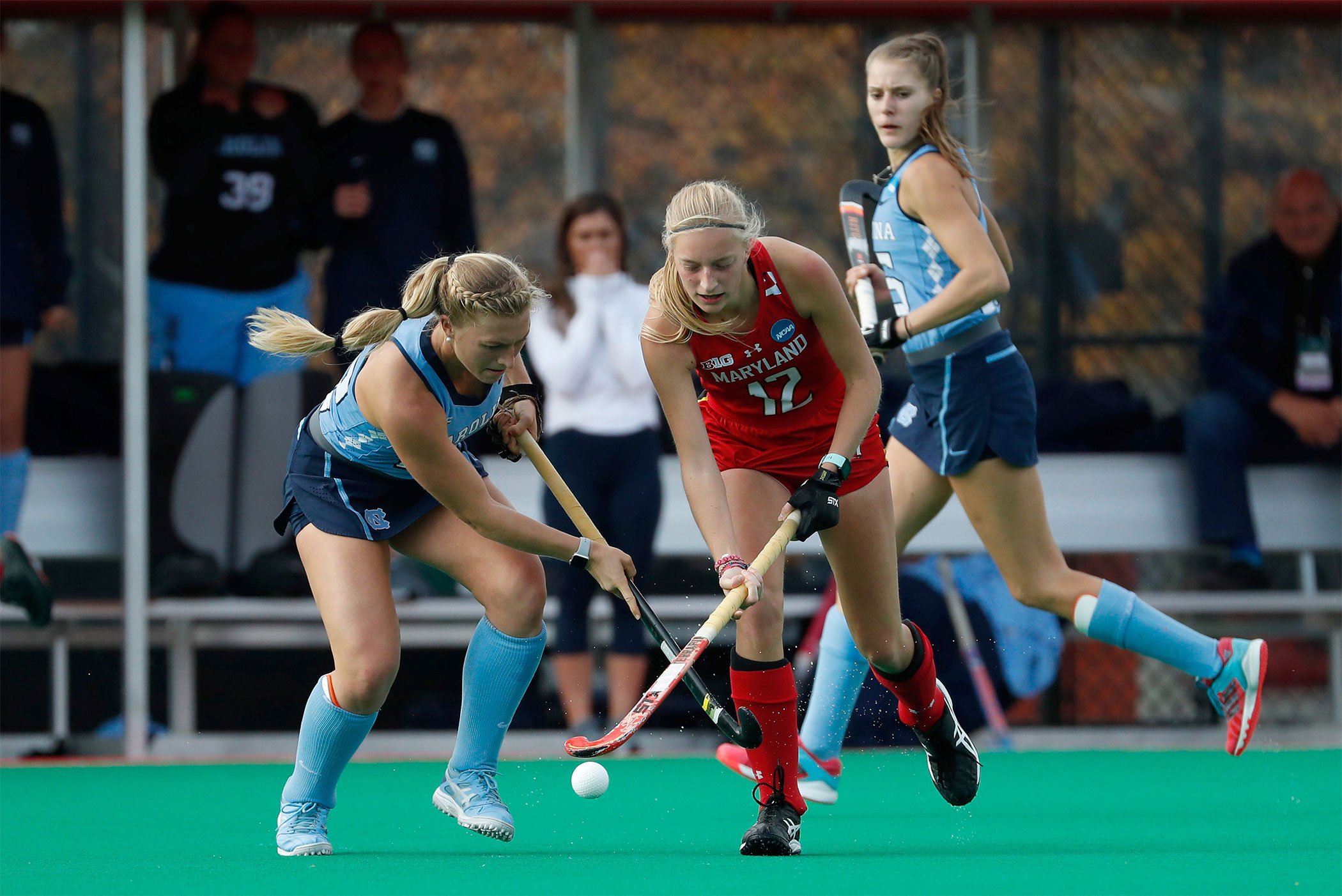
Field hockey games typically last for 60 minutes, divided into four 15-minute quarters with short breaks in between.
Ever wondered about the pace and duration of a field hockey match? It’s a sport filled with exciting runs and strategic plays, but how long do field hockey games last? We’ll explore the time structure of these matches, giving you a clear idea of what to expect.
The game is not a continuous 60 minutes; instead, it’s structured into four quarters. There are short breaks between each quarter, giving players a chance to regroup and strategize before the next period begins. So, you know exactly how much time to set aside when watching a match.

How Long Do Field Hockey Games Last?
Okay, so you’re curious about how long a field hockey game actually takes? That’s a great question! Unlike some sports with constantly running clocks, field hockey has a specific structure that determines game length. It’s not just one straight time period; there are breaks and different durations depending on the level of play. Let’s dive deep into all the details, and we will clear all the confusion for you, about how long field hockey games last.
The Standard Game Duration: Understanding Quarters
The most common format you’ll encounter is the four-quarter system. Think of it like four mini-games within the bigger game. This is the standard for most levels of play, from high school up to professional competitions, which are also governed by the International Hockey Federation (FIH). It is very similar to some other team sports game time structure.
How Long are Each Quarter?
Each quarter is 15 minutes long. This means that a full game, excluding breaks, runs for 60 minutes. So, if you’re planning to watch a game, allocate at least 60 minutes, but remember, there are breaks in between.
Breaks Between Quarters
The game doesn’t run continuously. There are important breaks that teams and players utilise strategically, for team talks, tactics and hydrating.
- There is a 2-minute break between the first and second quarter.
- A longer 10 to 15 minute half time break between the second and third quarter for each team.
- And finally a 2-minute break between the third and fourth quarter.
These breaks give players a chance to catch their breath, receive coaching guidance, and regroup, these are very important for any field hockey game.
Variations in Game Length: Not Every Game is 60 Minutes
While 60 minutes (four 15-minute quarters) is the standard, the playing time can vary a bit, especially at younger age levels. Let’s check some scenarios where game times may be different.
Youth Field Hockey: Shorter Game Times
For younger players, such as elementary and middle school level, games are often shorter. The reason behind this is that they are still developing the physical stamina, skills and tactical understanding for the game. The goal is for them to enjoy the game and also learn it. They often involve the use of shorter quarters, around 10-12 minutes. This is done to accommodate their younger age and reduced physical capacities, because they are still in the growth phase. It makes sure the games are still engaging and fun for them without making it too tiring.
Example Timings for Youth Leagues
- 8 to 10-year-olds might play 4 quarters of 10 minutes each.
- 11 to 13-year-olds could play 4 quarters of 12 minutes each.
International Field Hockey Regulations
The International Hockey Federation (FIH) governs all the major field hockey competitions. These regulations are clear and very precise. They determine the game length as well as other rules. At the international level, including Olympics and World Cups, the games are consistently four 15-minute quarters, totaling 60 minutes of playing time, but the timing of the game will increase due to the breaks between the quarters and halves, but the actual on-field time will remain the same.
High School Field Hockey Rules
High school field hockey generally adheres to the four-quarter format. However, you may notice slight variations. Some state associations or school districts might have minor differences in the actual time lengths, this will be due to logistical or scheduling issues. Some might be playing slightly longer or shorter quarters.
Club Level Games
Adult club leagues usually follow the FIH standards for game duration. So, they mostly play four quarters of 15 minutes each. However, there might be variation based on local rules or preferences for example local or friendly matches or competitions.
Overtime Rules: When Games Need a Deciding Winner
Sometimes, field hockey games end in a tie, especially in tournament play or when a clear winner is essential. This is where overtime or the penalty shoot-out comes into play.
Overtime
The most common method of determining a winner after regular time is through overtime periods. Overtime periods are shorter, usually 7.5 minutes or 10 minutes long, this will depend on the rules of the competition. They are played as sudden-death, which means the first team to score wins the game.
Penalty Shoot-Outs
If the score is still tied after the overtime period, a penalty shoot-out takes place to decide the game. Unlike a shoot-out in soccer, field hockey penalty shoot-outs are different. Instead of a simple shot on goal from the penalty spot, each player has 8 seconds to advance with the ball towards the goal and try to score. The number of penalty shoot-outs will be 5 each team. If the scores are still tied then they will go for the sudden death penalty shoot out.
Factors that Can Affect Game Duration
While the standard playing time is clear, several real-world factors can influence the overall length of a field hockey match. These factors are not the planned time length for a game but they do impact the overall time of a game.
Time-Outs
Coaches can call for a time-out during the game. This allows for brief strategic talks with the team and also to plan their next move. Time-outs stop the game clock and add some time to the overall duration of the game. Different leagues may have different rules regarding how many time-outs are allowed, some time outs can be for two minutes as well.
Injuries
If a player gets injured during the game, the clock is stopped to allow medical personnel to attend to the player. This can cause some additional time to the overall duration of the game. Minor injuries might only cause a short pause, while serious injuries will obviously require a longer delay.
Penalty Corners
A penalty corner is a set play that occurs when a team commits a foul inside their own defensive circle. The time taken to set up the penalty corner can vary depending on the complexity of the offensive team’s strategy and how quickly the defending team can get into position. Although they do not stop the game clock, they do slightly affect the time as the play is stopped.
Video Reviews
In some higher level competitions, particularly international and professional games, teams can use video reviews to challenge the decisions made by the umpires on the field. If a video referral is called, the time stops until the review is completed. If the video shows the decision to be not correct then the play will resume but if not then there will be some deductions. This process adds to the overall duration of the game.
Weather Conditions
Extreme weather conditions like heavy rain, storms, or even extreme heat can cause game delays or even postponements. This is especially relevant in outdoor matches. In such circumstances, the game will be paused and when the weather is clear and safe to play then the game will be resumed.
The Flow of the Game
The overall flow of the game can affect the total time. For example, a game with lots of penalty corners, stoppages for injuries, or other interruptions will naturally take longer than a game with fewer disruptions. A game with lots of goals and flowing play will be finished quickly, whereas a game with close and cautious game play will take longer to finish.
How to Keep Track of Game Time
If you’re at the field or watching a field hockey match, here are a couple ways to know how much time is left:
- Scoreboard: Most fields will have a scoreboard that clearly displays the time remaining in each quarter.
- Game Officials: Referees or umpires will also be aware of the game time and usually have devices to track the time in games.
- Time Keeper: There will be an official time keeper who will be responsible for keeping track of time on the field and will also be in communication with the umpires on the field regarding game timings.
- Apps: There are mobile apps that are available, which can allow you to track the time on the phone as well.
A Quick Look in Tabular Form
Let’s summarize the typical game durations in a table:
| Level | Quarter Length | Total Playing Time | Typical Total Match Length (Including Breaks) |
|---|---|---|---|
| Youth (8-10 years) | 10 minutes | 40 minutes | Approximately 50-60 minutes |
| Youth (11-13 years) | 12 minutes | 48 minutes | Approximately 60-70 minutes |
| High School/Club/International | 15 minutes | 60 minutes | Approximately 75-90 minutes |
Remember, these are approximate timings, and other factors can influence the overall time as discussed earlier.
Understanding field hockey game durations will make you a more informed spectator. Now you know that a typical game is 60 minutes of playing time, but can vary with youth and overtime formats and can take longer than the actual playing time due to several factors. Always check the specific rules of the league or competition you’re watching to understand the exact game format.
The Rules of Hockey (Field Hockey) – EXPLAINED!
Final Thoughts
Field hockey games typically last 60 minutes for standard play, divided into four 15-minute quarters. There are short breaks between quarters, with a longer halftime. These times can slightly change for youth or tournament variations.
The official duration emphasizes quick play and strategic maneuvering. However, if a match ends in a tie, extra time or penalty shootouts might occur. So, ‘how long do field hockey games last’ depends on the particular match situation.

