
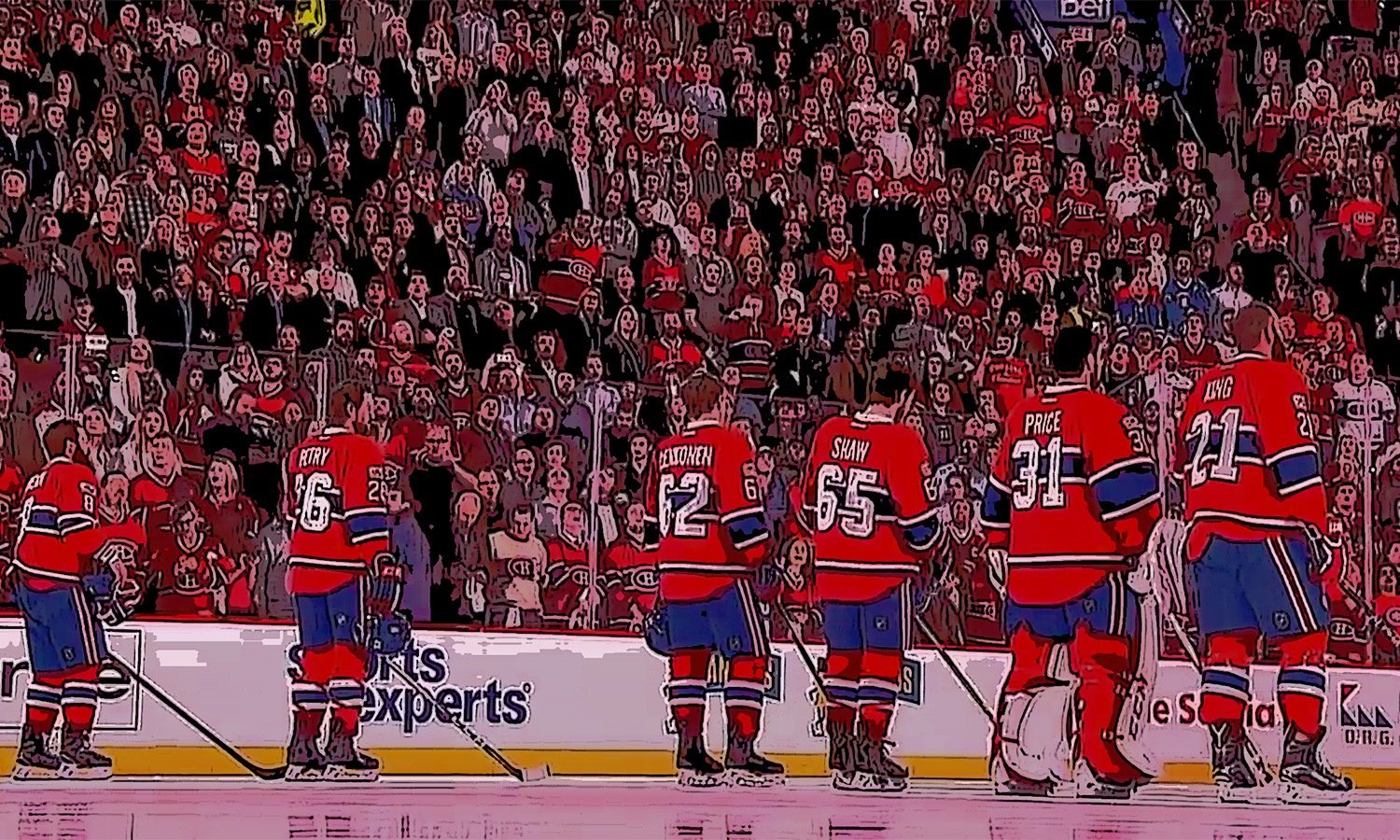
A standard professional hockey game lasts 60 minutes of playing time, divided into three 20-minute periods, with intermissions in between.
Ever wondered how long you’ll be glued to the screen watching pucks fly? Many fans ask, “how long do hockey games last?”. It’s a common question, especially if you’re planning your day around the match.
The game clock doesn’t run continuously. There are stoppages for penalties, icing, and other events. So, the total time spent at the arena, or in front of your TV, is typically longer than the 60 minutes of game play.

How Long Do Hockey Games Last?
Have you ever watched a super exciting hockey game and wondered, “Wow, how long is this going to go on?” It’s a fair question! Hockey games aren’t like a quick trip to the store. They have a specific structure, and understanding that structure helps you know just how much time to set aside when you’re cheering on your favorite team. It involves more than just the clock running, let’s break down all the things that affect how long a hockey game actually takes.
The Standard Game Length
At its core, a hockey game is designed to last for 60 minutes. That’s 60 minutes of pure skating, passing, shooting, and of course, hopefully, goals! But here’s the catch – that 60 minutes is divided into three separate periods, and those periods aren’t back-to-back. They have little breaks in between. We will explore these breaks in details.
The Three Periods
The 60 minutes of playing time in a standard hockey game is split into three equal parts of 20 minutes each. Imagine watching a movie that is split into three smaller parts with little breaks in between them. That’s how the three periods of hockey work. This 20-minute period length applies to most professional leagues, as well as many amateur and youth leagues.
Why Three Periods?
Splitting the game into three periods helps the players stay fresh. Ice hockey is a very physically demanding sport. Players are constantly skating, hitting, and battling for the puck, and they need breaks to catch their breath, adjust their game plan and get instructions from their coach. The breaks between the periods also allow the coaches to talk to the players about what they are doing well and what they could do better. It provides them a better opportunity to stay in the game.
Breaks Between Periods
So, if the game is 60 minutes of play time, why does it take much longer to actually watch one? It’s those intermissions or breaks between the three periods that make a big difference. These breaks aren’t just for players to rest and grab a drink of water; they serve multiple purposes.
The Intermission Length
Typically, you’ll find a 15 to 18-minute break between each period. That’s the standard intermission time in most major professional hockey leagues, including the National Hockey League (NHL). This gives the players time to regroup, the coaches time to talk strategies, and the fans a chance to use the restroom, get a snack or just chat about the game with their friends and family. Sometimes, the TV channels will also broadcast ads during the intermission.
Why These Breaks Matter
- Player Recovery: Hockey is tough. Players sweat a lot, and they use a lot of energy. The intermission gives them a chance to catch their breath and prepare for the next period.
- Coaching Strategy: Coaches use this time to discuss the game’s flow, make adjustments, and give their players some helpful advice.
- Equipment Maintenance: Players may need to make minor fixes to their gear during the break, ensuring everything is ready for the next period.
- Fan Engagement: This time gives the fans a chance to relax a bit before the game resumes. Some arenas even have activities to entertain the crowd during the intermissions.
Factors That Can Extend the Game Length
While the core structure of a hockey game is set with 60 minutes of play time and breaks, sometimes things can happen that make a game run longer than expected. Let’s explore those elements that might add some extra time to your hockey-watching experience. It’s not just the 60 minutes of actual play time.
Penalties
Penalties are a very common part of hockey. They occur when players break the rules, such as tripping, high-sticking, or holding an opponent. When a player commits a penalty, they have to go to the penalty box for a set amount of time and their team has to play shorthanded which means less number of players than the other team. Now, when there are penalties, the clock stops! This means that any time spent while the penalty is being called or enforced doesn’t count toward the actual game time. This can extend the game length.
- Minor Penalties: A minor penalty usually results in a player sitting out for two minutes.
- Major Penalties: A major penalty may result in the player sitting out for 5 minutes.
- Penalty Timeouts: The clock stops during the penalty announcement and before play resumes. These stoppages, while short, add time to the game.
Stoppages in Play
Besides penalties, there are other reasons why the game might stop, which also adds to the overall time. A puck going out of play or when an injured player is on the ice means that game clock stops. These stoppages might seem like they take up only a little time, but they can add up during the whole game.
- Puck Out of Play: When the puck leaves the playing surface, the clock stops until the face-off starts.
- Injuries: If a player gets injured, play will stop while the player receives medical attention. This can take time depending on how seriously the player is hurt.
- Video Reviews: Sometimes, a goal or a penalty might be reviewed by officials. They might watch a video replay to make sure the right call was made. Review time can vary but usually doesn’t take more than a few minutes.
- Icing: When a player shoots the puck all the way down the ice, this causes another stoppage. The game will pause, and there will be a face-off.
Overtime
In hockey, a game might end in a tie during regular playing time. When this happens, some leagues have an overtime period to decide a winner. The format of overtime can differ depending on the league, but it typically consists of additional playing time. Overtime periods are a source of excitement because of the high stakes. This can also make game time longer.
- Sudden Death Overtime: In many leagues, the overtime period is a sudden death period. Which means the first team to score wins the game.
- Different Formats: Some leagues may play a five-minute overtime or even have a three-on-three overtime, which means there are fewer players on the ice. If the score is still tied at the end of overtime, a shootout might happen.
- Shootouts: If a tie still continues after overtime, there may be a shootout to determine the winner. Each team will send players out one-by-one to take a shot on the goalie.
The Impact of Different Leagues
The length of a hockey game can also be affected by the league it is in. While most leagues follow the basic structure of 20-minute periods, there might be small variations that can affect the overall time.
NHL Game Length
The National Hockey League is the highest level of professional ice hockey in North America. The standard NHL game follows the 20-minute period rule with intermissions. Typically, the total time, including intermissions and stoppages, for an NHL game is around 2.5 to 3 hours. The NHL also has a 5-minute overtime during regular season games.
Other Professional Leagues
Other professional hockey leagues in different countries will most likely have similar structures to the NHL, but there might be a slight difference. Most professional leagues follow the rule of 20 minute periods. There might be subtle differences in their overtime rules.
Amateur and Youth Leagues
When it comes to amateur and youth leagues, the rules might differ. The length of the periods could be shorter for younger players or amateur leagues. This is so they can accommodate the age and skill level of the players.
- Shorter Periods: For younger age groups, the length of each period might be 12-15 minutes instead of 20 minutes. This makes the game less exhausting for the players.
- Shorter Intermissions: Intermissions might be shorter in youth leagues so that games will fit into scheduled time slots and allow for more games in a day.
A Real-World Example
Let’s put this all together with an example. Imagine you’re settling down to watch an NHL game. The game is scheduled for 7 PM. The puck drops at 7 PM. The actual game time begins with three 20-minute periods. The first period runs, with a few minor stoppages, and then the first intermission occurs around 7:25 PM. The second period then starts at around 7:40 PM and will end at around 8:05 PM. Then again, another intermission occurs. The third period then starts at about 8:20 PM and ends around 8:45 PM. If there are no penalties, injuries, or overtime, the game might finish around 9:10 PM. However, if there are additional factors involved, the game could extend until 9:30 PM or 10:00 PM.
Tips for Planning Your Hockey Game Viewing
Now that you know all the factors that can affect how long hockey games last, here are a few tips to make the most of your viewing experience:
- Plan for Extra Time: It’s best to assume that a game might go longer than the standard time. Allow for at least 2.5 to 3 hours for a professional game.
- Check the League’s Rules: If you’re watching a game in a new league, do a quick search to see the specific rules about overtime and intermissions.
- Enjoy the Game: Remember that hockey is an exciting and unpredictable sport. Enjoy the action and the twists and turns that make every game unique.
Knowing all these aspects of a hockey game can make the experience more exciting and enjoyable for you. You will be more prepared and knowledgeable about the game.
So, while the clock shows 60 minutes of playing time, the entire experience of watching a hockey game is much more extensive. Understanding the structure, the periods, the intermissions, and all the potential time-adding events makes a huge difference in knowing how long you will need to watch a game and plan your day. From penalties to overtime, every moment adds to the excitement and the total length of time you will be engaged in the game.
How long is a hockey game?
Final Thoughts
A typical hockey game, including intermissions, lasts about two and a half hours. The actual playing time is 60 minutes, divided into three 20-minute periods. However, stoppages for penalties, icing, and other events extend the overall duration.
Therefore, the question of ‘how long do hockey game last’ has a straightforward answer. It is usually around 150 minutes including intermissions. Keep this timeframe in mind when planning your attendance at a hockey match.

