
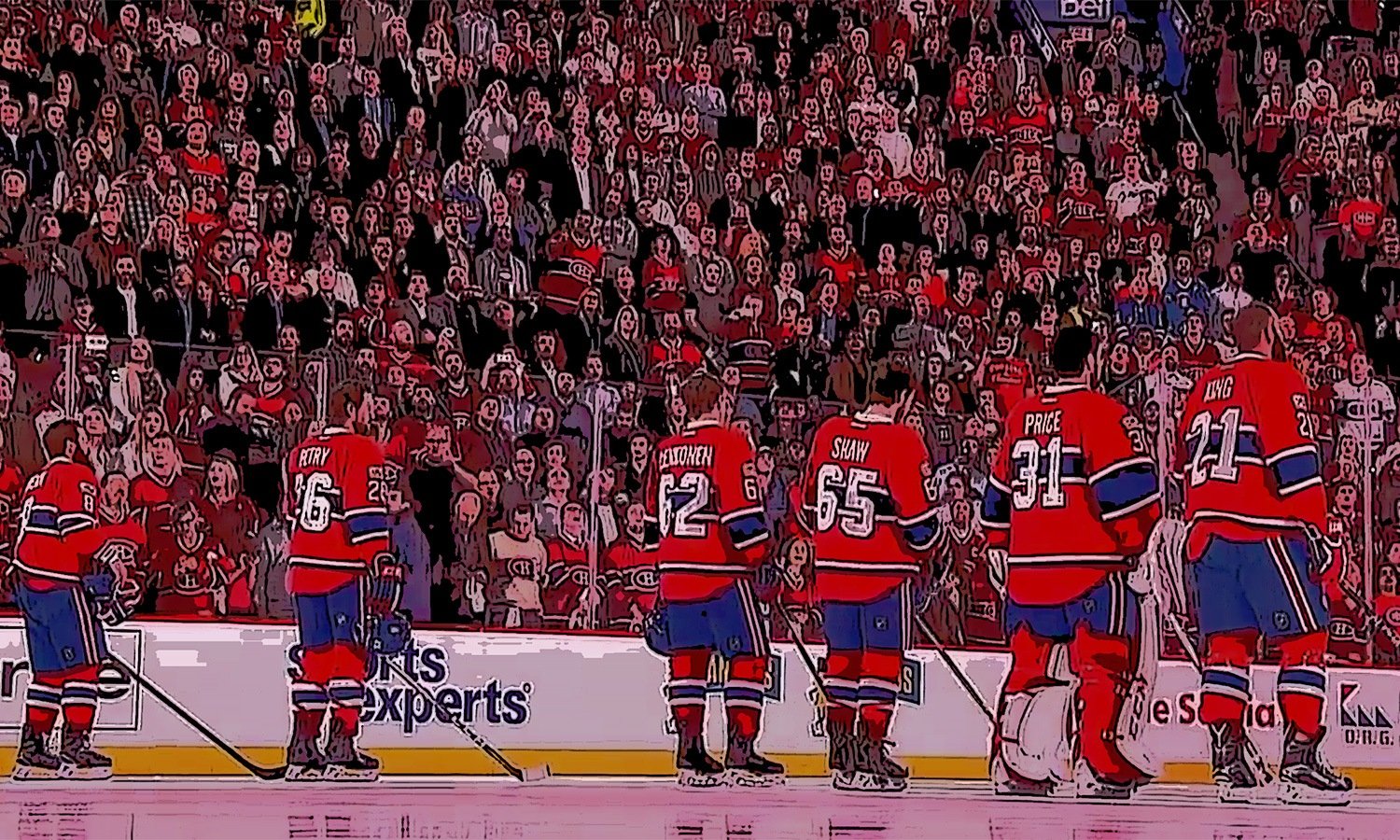
The typical NHL game lasts approximately 2.5 to 3 hours, including intermissions.
Ever wondered how much time you should set aside to watch a hockey game? The excitement of the NHL can keep you glued to your seat, but just how long do hockey games last nhl? Knowing the duration helps plan your evening and ensures you won’t miss puck drop or overtime excitement.
Most NHL games follow a similar pattern, dividing play into three 20-minute periods. The clock stops frequently for penalties, goals, and puck stoppages, so the actual playtime extends beyond 60 minutes. There are also two intermissions, which contribute to the overall game time.

How Long Do Hockey Games Last NHL?
Ever wondered exactly how long you’ll be glued to your seat watching an NHL game? It’s not quite as simple as a set clock time like some other sports. While there’s a standard amount of playing time, the reality is that hockey games often run longer due to stoppages, penalties, and those nail-biting overtime periods. Let’s take a deep dive into what makes up an NHL game and explore what impacts the total time you’ll spend cheering on your favorite team.
The Basic Structure of an NHL Game
Before we get into the nitty-gritty of timing, let’s break down the basic structure of a standard NHL hockey game. This will provide a foundational understanding of where all the time is spent.
Three Periods of Play
The core of every NHL game consists of three 20-minute periods. These periods of play are the heart of the game. During these 20-minute periods, teams battle back and forth, trying to outscore each other. This makes a total of 60 minutes of actual playing time. Think of it like this: each period is a fresh start, a new chance for players to give it their all.
- Each period is 20 minutes long.
- There are three periods in a standard game.
- Total playing time for a regulation game is 60 minutes (20 minutes x 3).
Intermissions Between Periods
After each period, the players get a break to regroup, rest, and listen to their coaches’ instructions. These breaks are called intermissions, and these intermissions help to refresh the players, allowing them to perform at their best throughout the game. Also, these intermissions are a time for fans to stretch their legs, grab some snacks, or visit the restroom.
- The first intermission is 18 minutes long.
- The second intermission is also 18 minutes long.
- These breaks allow players to rest and strategize for the next period.
Factors That Extend Game Time
While the official playing time is 60 minutes, various factors can significantly extend the overall duration of an NHL game. These extensions are a normal part of the game and add to the unpredictable nature of hockey. Let’s explore some of the most common culprits.
Penalties and Power Plays
Penalties are a big part of hockey. When a player commits a penalty, like tripping or hooking, their team plays shorthanded. This creates a power play opportunity for the other team. When a penalty happens, the clock stops. The time stops ticking until play restarts, increasing the game time. It takes time to call a penalty, explain it, and get the penalized player off the ice, all this adds to the total game time.
- Penalties cause stoppages in play.
- Power plays can lead to further delays.
- Referee discussions and time-outs all add time to the game.
Television Time-Outs
Television plays a huge role in professional hockey. To allow broadcasters to show commercials, there are TV time-outs. They are regularly scheduled stoppages. They are called during gameplay when there is a natural break. While they are brief, they definitely add extra time to the overall game clock.
- TV time-outs are scheduled commercial breaks during the game.
- These are not part of the 60 minutes of play, but they do extend the overall time.
- These time-outs typically occur at the first stoppage after the 14-minute, 10-minute, and 6-minute marks of each period.
Injuries
Hockey is a fast and physical sport, and sometimes players get injured. When this happens, the game stops. The medical team attends to the injured player, sometimes needing to get them off the ice, and that takes time. While important for the player’s safety, it does add to the length of the game.
- Injuries halt play to ensure player safety.
- Medical attention and any resulting delays add to the game’s length.
Goals and Celebrations
When a goal is scored, the play stops, and there is a small celebration from the team that scored. Referees also review close plays to make sure the goal is fair, and all this takes some time and adds to the total time of the game.
- When a goal is scored, the play stops.
- Referees might review the play, this takes time.
- Goal celebrations can cause small delays.
Face-Offs
Face-offs happen every time the puck needs to be put back into play after a stoppage. They are brief, but they happen a lot. All these face-offs add to the length of the game. Each face-off involves the referee dropping the puck, and players often need to be reset if one of the players jump the gun, all this adds a few seconds each time.
- Face-offs are required after each stoppage of play.
- Even though quick, the accumulation of face-offs adds time to the game.
Video Review
In today’s NHL, technology plays a huge role. Referees use video reviews to make sure calls are correct, especially on goal scores or when a penalty has happened. Sometimes the play might be sent to league headquarters to be reviewed, and this takes time. Even though it is needed to make sure the call is correct, it adds time to the game.
- Video reviews help to ensure correct calls.
- These reviews can take a few minutes and add to the overall game time.
Overtime and Shootouts
What happens if the score is tied after three periods? This is when things get extra interesting! The game goes into overtime, and if the tie persists, we get a shootout.
Overtime
If the score is tied after three periods, the game goes into overtime. During the regular season, overtime is a five-minute period, played with only three players on each side. If a goal is scored during the overtime period, that team wins and the game is over. If no goal is scored, the game goes to a shootout. In the playoffs, overtime is different. Play continues in 20-minute periods until someone scores, this is also called sudden-death overtime.
- Regular season overtime is 5 minutes with 3-on-3 play.
- Playoff overtime is 20-minute sudden-death periods.
- Overtime adds to the game length, especially during the playoffs.
Shootouts
If the game is still tied after a five-minute overtime during the regular season, the game goes to a shootout. During a shootout, each team takes turns trying to score on penalty shots. The team with the most goals after the set rounds wins. Shootouts can be short, or can go on for many rounds, which could add some time to the game.
- Shootouts happen if the game is tied after regular season overtime.
- Each team takes turns taking penalty shots.
- Shootouts will be faster than regular overtime.
Typical Game Length: What to Expect
So, with all these factors in mind, how long does an NHL game actually last? It varies, but here is a general idea:
- A regulation NHL game (three periods) usually takes around 2.5 to 3 hours.
- If the game goes to overtime, add another 10 to 20 minutes.
- If the game goes to a shootout, add another 5 to 10 minutes.
A breakdown table for easier understanding
Below you’ll find a table that breaks down a rough estimate of time for each segment of a game.
| Game Segment | Approximate Time |
|---|---|
| Three Periods | 1 hour (60 minutes) |
| Two Intermissions | 36 minutes (18 minutes each) |
| Television Time-outs | 20-30 minutes |
| Penalties/Stoppages | 10-20 minutes |
| Total Game time | Approximately 2.5 to 3 hours |
| Overtime (Regular Season) | 5-10 minutes |
| Overtime (Playoffs) | 20 minutes per extra period |
| Shootout | 5-10 minutes |
Please keep in mind these are just estimates, and the actual game time can vary greatly.
Why Game Length Matters
Knowing how long an NHL game might last can be helpful for various reasons. If you’re going to the game in person, you’ll want to plan for travel time and where to park. If you’re watching at home, it helps you organize your evening. Understanding the dynamics of the game helps to plan your day properly. Plus, it can be great to know all the various factors that affect the time of a game. It’s all part of the fun and strategy of the game.
So, when you ask, “How long do hockey games last NHL?”, the answer isn’t a simple one. It’s a combination of scheduled playing time, scheduled breaks, and a multitude of factors that can stretch out the game. All of these contribute to the game’s pace and unpredictability.
Enjoy the game, and remember that every second of an NHL game can be full of excitement, drama and of course, a good amount of watching time!
NHL Highlights | Maple Leafs vs. Flyers | January 07, 2025
Final Thoughts
A standard NHL hockey game lasts 60 minutes, divided into three 20-minute periods. However, stoppages in play for penalties, icing, and TV timeouts extend the actual game duration. So, figuring out how long do hockey games last nhl takes into account potential overtime, which adds further time.
Overtime periods are 5 minutes long and sudden death during the regular season. Playoff games continue until a goal is scored. Consequently, predicting the end time can be tricky. Therefore, “how long do hockey games last nhl” really depends on the specific game circumstances.

