
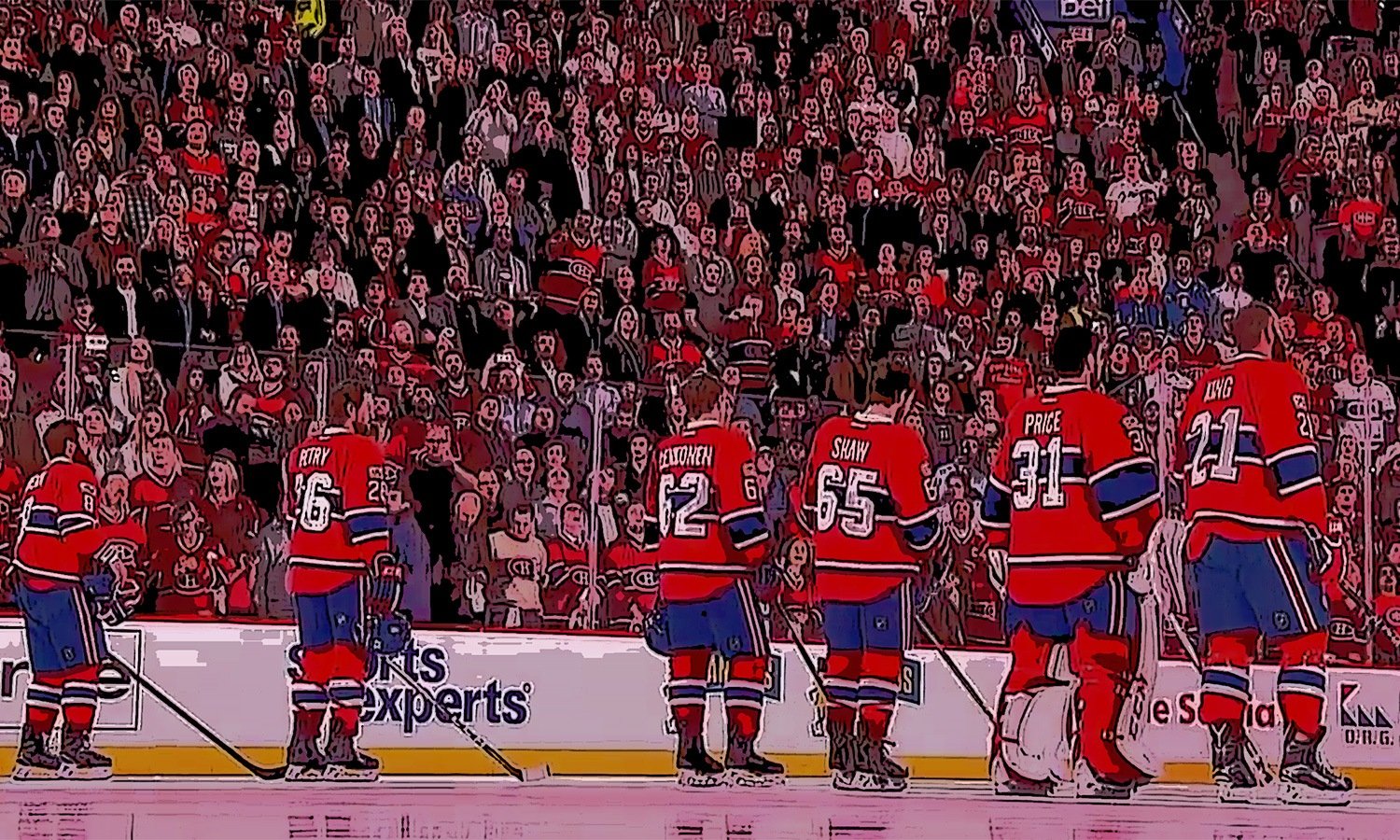
The average professional hockey game lasts around 2.5 to 3 hours, including intermissions.
Ever wondered how long do hockey games last? It’s a common question for newcomers and even seasoned fans. The clock doesn’t tell the whole story. Games have different periods with short breaks in between, creating a unique viewing experience.
Knowing the actual time commitment helps you plan your game nights. You might wonder, is the time worth it for all that action? Knowing the answer to how long do hockey games last lets you decide.

How Long Do Hockey Games Last?
Ever wondered how much time you’ll spend cheering on your favorite hockey team? It’s a great question, and the answer isn’t always as straightforward as you might think. While there’s a standard amount of time for a game, lots of things can make the clock tick a little faster or slower. Let’s take a fun skate through the details of how long hockey games actually last!
The Basics: Standard Game Time
At its heart, a professional hockey game, like those you see in the NHL (National Hockey League), is made up of three periods. Each period is 20 minutes long. So, if you just look at the playing time itself, a game should take exactly 60 minutes. That sounds simple enough, right? But, just like on the ice, there are a few tricky moves and things that can change the plan.
What Happens During a Period?
Each of the three 20-minute periods is full of action! Players are skating hard, passing the puck, and trying to score goals. Here’s a peek at what makes up a period:
- Active Play: This is when the clock is running down as the teams battle for the puck.
- Stoppages: The clock stops each time the whistle blows. This happens when the puck goes out of play, a player commits a penalty, or a goal is scored.
All of these things, particularly those stoppages, can add time to each period. Even though the period timer is set for 20 minutes of active play, each period’s real time will usually last much longer because of the stoppages.
Intermission: Taking a Break
After each period, there’s an intermission. This is a chance for the players to rest, strategize, and get ready for the next period. It is also the time for fans to refill their snacks and talk about the game. The intermissions are typically 15-18 minutes long, depending on the league. There are two intermissions in a regular hockey game.
The Real Time of a Hockey Game: More Than Just 60 Minutes
So, if a period is 20 minutes, there are three periods, and two 15-18 minute intermissions, how long does a hockey game actually take? When you add it all up, most professional hockey games take about 2.5 to 3 hours to complete. This includes the active play, all the stoppages during play, and the intermissions. It’s quite a bit more than just the 60 minutes of playing time.
Factors That Affect Game Length
Several things can make a hockey game shorter or longer than the average time. It’s like when you’re playing a board game, and sometimes things just take a bit longer than usual! Here are some of the reasons:
Penalties
When a player breaks a rule, they get a penalty. This can lead to a power play for the other team, giving them an advantage. Penalties don’t usually add a lot of time to a game, but several penalties in a row can increase game duration because of the stoppages they cause.
Injuries
Unfortunately, injuries can happen in hockey. If a player gets hurt, the game is stopped so they can get the help they need. Depending on how serious the injury is, this can add extra time to the game.
TV Timeouts
When a hockey game is on television, there are often extra stoppages for commercials. These breaks allow the TV networks to show their ads, and they can lengthen the overall game time. These are usually timed and built into the game’s framework, but sometimes they can extend past the planned duration.
Overtime
Sometimes, after three periods, the game is tied. When this happens, the teams play an extra period, called overtime. This is an exciting time! Overtime in the NHL has specific rules. In the regular season, the teams play a five minute, 3-on-3 sudden death overtime period, if the score remains tied, then the game ends with a shootout. In the playoffs, overtime periods are a 20-minute sudden death where the first team to score wins, and the teams play as many overtime periods as needed to get a winning goal. As you can imagine, if a game goes into multiple overtime periods, the game time can get significantly longer. Playoff overtimes can lead to incredibly long games, sometimes even reaching 4-5 hours or more.
Video Review
Modern hockey uses video replays to review goals, penalties, and other plays. If the referee is unsure, they might go to the video replay to take another look. While this is helpful to ensure the right calls are made, reviewing the video can add a bit of time to the game.
Shootouts
In the NHL regular season if an overtime period ends without a winning goal, then the game will be decided in a shootout, this adds time to the game, but not too much. Shootouts consist of each team having players take turns going one-on-one against the opposing goalie. The team that wins the shootout wins the game.
How Game Length Can Vary by Hockey League
While most professional hockey follows similar guidelines, there can be differences in game length between different hockey leagues and age levels. Here are some differences:
Youth Hockey
In youth hockey leagues, the period length may be shorter than 20 minutes, depending on the age group and the league’s rules. For example, a game for younger players might have three 15-minute periods instead of 20-minute periods. The intermissions between periods might also be shorter. The total game time can be significantly less for young players.
College Hockey
College hockey usually follows rules very similar to the NHL, with three 20-minute periods and standard intermissions. However, college hockey usually uses a 5-minute sudden-death overtime period, and if no goal is scored, the game ends in a tie. College hockey doesn’t have shootouts.
International Hockey
Leagues such as the International Ice Hockey Federation (IIHF) can have slightly different rules regarding overtime and intermissions, this could affect the overall game time. Usually, these games are similar in time length to games in the NHL.
Other Professional Leagues
Other professional hockey leagues around the world, such as the AHL (American Hockey League), often follow similar guidelines as the NHL but may have minor variations. For example, the AHL’s overtime rules are slightly different than the NHL’s. The AHL’s overtime is a 7-minute sudden-death 3-on-3 period in the regular season, if the game is still tied after the overtime period, then it goes to a shootout.
A Quick Guide: Typical Hockey Game Timelines
To make it easy to understand, here’s a quick look at the different timelines you might encounter:
- Standard NHL Game: Approximately 2.5 to 3 hours
- Youth Hockey Game: Usually shorter, around 1.5 to 2 hours
- NHL Game with Overtime: Could be 3 hours or more
- Playoff Game with Multiple Overtime: Can reach 4-5 hours, or even more
Why Does Game Length Matter?
Knowing how long hockey games can last helps with planning. If you are going to attend a game, it’s useful to know how much time you’ll need to spend at the arena, or if you’re watching a game at home, you may want to plan your day around it. Understanding the way the periods, stoppages, and intermissions, and how they contribute to the overall length of the game can increase your appreciation for the sport. You can see how exciting a game becomes with each shift in the action. So, while the actual playing time is just 60 minutes, a lot goes into making a hockey game an amazing experience.
The next time you’re settling in to watch a hockey game, remember there is a lot more than just 60 minutes of action! Between the periods, intermissions, and all of the exciting twists and turns that can happen during play, you can settle in for a good amount of time enjoying one of the most action-packed sports around.
How long is a hockey game?
Final Thoughts
A standard hockey game consists of three 20-minute periods, totaling 60 minutes of playtime. However, numerous stoppages for penalties, puck plays, and intermissions extend the actual duration. Games can easily run well over two hours, even without overtime.
Factors like television timeouts and video reviews further add time. ‘How long do hockey games last’ becomes a complex question because it varies greatly. Overtime, if needed, will make the game much longer. The key takeaway is that the game length is not just the official playtime on the clock.

