
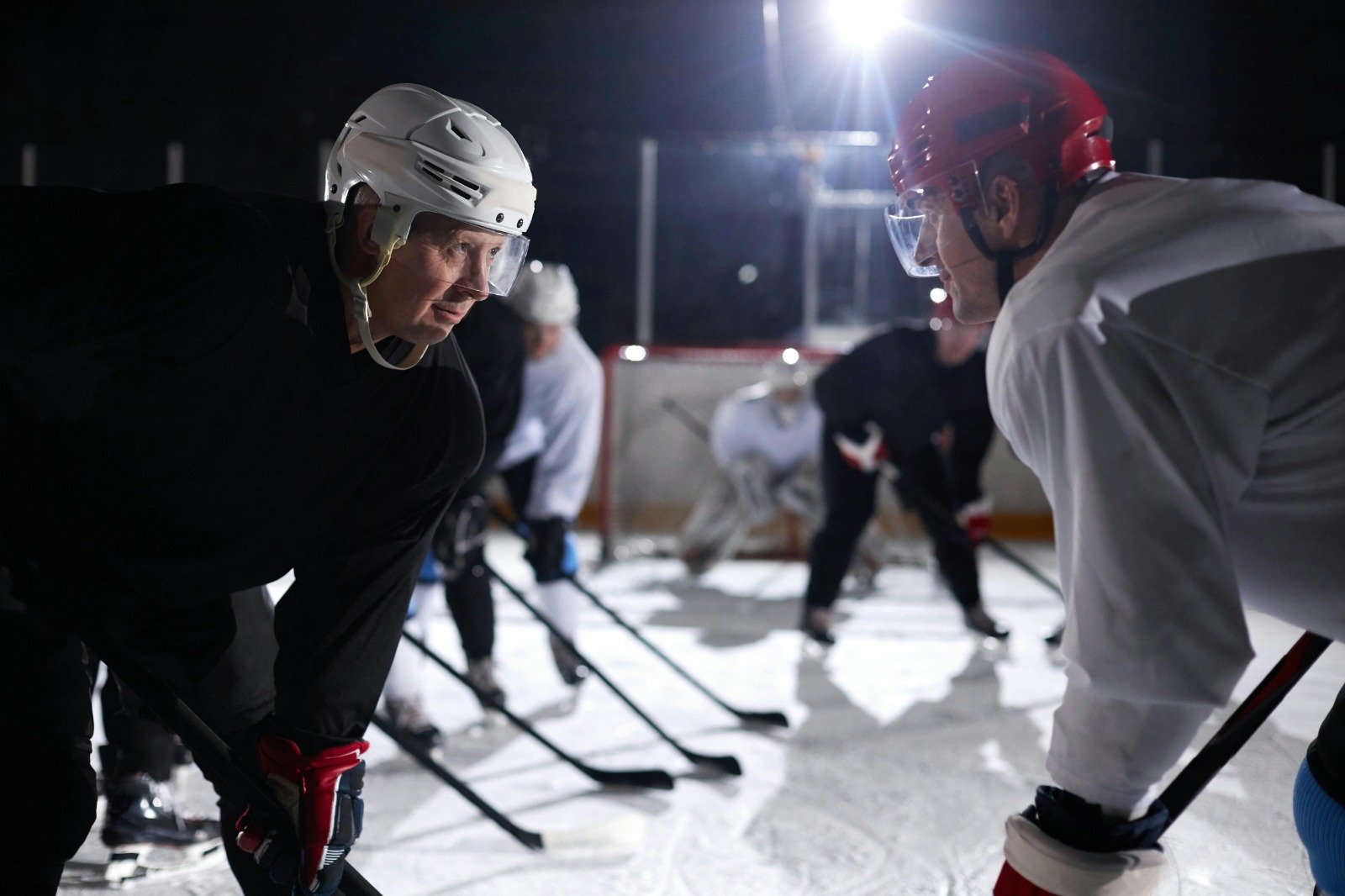
Hockey games usually last around 2.5 to 3 hours, including intermissions.
Ever wondered about the time commitment when planning to watch a hockey game? Figuring out how long do hockey games usually last is key to scheduling your evening. It’s more than just the on-ice action you see on TV.
The clock doesn’t stop every few minutes like in some sports, so understanding the total duration becomes important. There are breaks between periods, adding to the overall time. It is essential to consider these things before planning out your whole night watching hockey.

How Long Do Hockey Games Usually Last?
Have you ever wondered how long it takes to watch a hockey game? It’s not as simple as saying “one hour” or “two hours.” There are several things that can affect the total time a hockey game takes from beginning to end. Let’s dive deep into the details and learn all about it!
The Basics: Regular Game Time
The most important thing to know is that a typical hockey game is divided into three periods. Each period is 20 minutes long. So, if we only looked at the actual playing time, a hockey game would be 60 minutes (20 minutes x 3 periods). This is the standard for most professional and higher-level amateur leagues, such as the NHL (National Hockey League). But don’t get fooled – it’s rarely just 60 minutes!
Think of it like watching a movie. The movie itself might be two hours long, but there are also previews before it starts and credits at the end. It is like that with hockey. There are intermissions between the periods, and other things that can make the game last longer.
Intermissions: The Break Time
Between each period, there is a break called an intermission. This gives the players a chance to rest, get some water, and talk strategy with their coaches. It also allows the ice crew to resurface the ice. This helps the puck glide smoothly. Intermissions typically last 15-20 minutes.
So, let’s do a quick calculation. If we have two 15 minutes intermissions it means that we will add 30 minutes of intermission time. And now the total time can be 60 minutes + 30 minutes = 90 minutes and this is only the basic time. As there are so many other things that can make the game longer so we have to understand those extra things also.
Game Stoppages: More Than You Think
Hockey is a fast-paced sport, and the play is often interrupted. There are many reasons why a game might stop. These stoppages add time to the game clock. Let’s explore some of the most common reasons:
Penalties: Sitting in the Penalty Box
When a player breaks the rules, they get a penalty. Common penalties include tripping, hooking, and high-sticking. When a penalty happens, the play stops, and the penalized player goes to the penalty box for a specific amount of time. After the penalty is over, the play starts again. These stoppages will surely add more time to the game’s length.
Icing: A Puck That Travels Far
Icing happens when a player shoots the puck from behind their own center red line and it travels all the way to the other team’s goal line without being touched by another player. This stops the play. A face-off happens back in the shooting team’s zone. It might take a minute for face-off and again continue playing, but it all adds up.
Offsides: Keeping Players in Check
Offsides happen when an attacking player enters the offensive zone before the puck. This also stops the play. A face-off occurs back in the neutral zone. The referees have to make sure they do not call offside for the sake of not stopping the game unnecessary. It is just a moment of the halt but it adds more time to the game.
Puck Out of Play: When the Puck Goes Missing
Sometimes, the puck flies out of the rink, either into the crowd or into the players’ benches. When this happens, the play stops. This can make the game a little longer too. Someone from the team has to go and fetch the puck. Sometimes you might have to get a new one.
Injuries: Player Health First
If a player gets hurt, the play stops immediately so they can receive medical attention. This is very important, but it adds time to the game. It’s not something anyone wants to see, but player safety comes first. The medical staff has to do their job so that player can come back safely to the game.
Timeouts: A Strategic Pause
Each team gets a limited number of timeouts during a game. When a team uses a timeout, it stops the clock. This timeout gives the coaches a chance to talk to their players and set up a play. The timeout doesn’t take a lot of time, but again everything adds up.
Goal Review: Checking the Play
If there’s any doubt about whether a goal was scored legally, the referees can review the play with video replays. This process stops the game while they make sure the right call is made. Sometimes, a video replay will take a few minutes and it will surely add time to the game.
Overtime: What Happens When it’s Tied?
In some hockey games, if the score is tied at the end of the third period, the game goes into overtime. This is like a bonus period to determine a winner. Overtime rules can change depending on the league, but usually, it’s a shorter period with a sudden-death format. If one team scores, they win. In NHL regular season, overtime is a five-minute period with 3 vs. 3 format, if no one scores then the game goes into shootout. If the game is in playoffs then there are 20 minute overtime periods until a winner is declared. The overtime rules vary from league to league, for the best understanding you should check specific rules of each hockey league.
Shootouts: A Battle of Skills
If the game is still tied after overtime in some leagues like NHL, they go into a shootout. A shootout is a series of one-on-one attempts by players to score against the goalie. If a team scores more in shootout, they win, so we get a winner this way. It is exciting and the game is not completely tied. The shootout does add time to the game’s overall length.
Factors Affecting Game Length: It’s Not Always The Same
As you can see, many different things can impact the length of a hockey game. Here’s a little recap of things that we have already discussed:
- Number of Penalties: More penalties mean more stoppages, making the game longer.
- Number of Goals: More goals can lead to more celebrations and time spent getting the puck out of the net.
- Number of Stoppages: The more pucks that go out of play, the more injuries, the more offsides calls, the longer the game will be.
- Playoff Games: Playoff games often feel more intense and can have more stoppages, and possibly overtime periods. This means that they tend to be longer than regular season games.
- League Rules: Each league might have different rules about intermissions, overtime, and other factors that will impact game length.
Average Game Length: What to Expect
While there isn’t a one-size-fits-all answer, we can talk about average game lengths. For most professional hockey games, you can expect the game to last anywhere from 2.5 to 3 hours. This takes into account the 60 minutes of playing time, the two intermissions, and any stoppages that might happen. Of course, some games may be shorter, and some may be longer depending on the factors we talked about above.
Here is a simple example:
| Component | Average Time |
|---|---|
| Actual Playing Time | 60 Minutes |
| Intermissions (2) | 30-40 Minutes |
| Stoppages/Penalties/Reviews | 30-45 Minutes (Variable) |
| Overtime (if needed) | 5-20+ Minutes (Variable) |
| Total | Approx. 2.5 to 3+ hours |
As you can see, the total time can vary. Always plan for around 3 hours when you are going to watch a hockey game.
Minor League Hockey, College Hockey and Youth Hockey: Different Time Rules
The professional games, specifically the NHL games, follow the three 20-minute period time structure. However, some minor league hockey, college, and youth hockey games have different rules for timing.
Minor League Hockey: Adjusting to Professional Standards
In minor leagues, like the AHL (American Hockey League), the game structure is often similar to the NHL, with three 20-minute periods. The total time of the games tends to be quite close to the NHL games, but the average time in these games might have a range of 2.5 to 3 hours.
College Hockey: A Mix of Tradition and Speed
College hockey, especially in the NCAA (National Collegiate Athletic Association), also typically uses three 20-minute periods. However, the rules are not always exactly the same as professional leagues, so the game pace can be a little different. Game time is also usually between 2.5 to 3 hours.
Youth Hockey: Shorter Periods for Younger Players
Youth hockey games often have shorter periods because younger players have shorter attention spans and need more breaks. For example, the periods might be 15 minutes instead of 20 minutes. And total game time is usually around 1.5 to 2 hours, but it depends on the age group and the rules of the specific league.
Tips for Planning Your Hockey Night
Now that you understand all the different things that affect how long a hockey game lasts, you can plan your hockey watching experience accordingly! Here are some helpful tips:
- Always Allow Extra Time: Don’t assume the game will be short. Plan for at least 3 hours to be safe, especially if you are going to a live game, and have to travel home.
- Check the Schedule: Look at the starting time of the game and add a few hours to estimate the end time.
- Factor in Travel Time: If you’re going to a game at an arena, think about travel time, parking and maybe having some time to get to your seats before the game starts.
- Plan for Food and Drinks: You’ll probably want to grab some food or drinks at the arena, so factor in extra time and maybe a bit of extra spending money for the night.
So, the next time you are watching hockey, you’ll know exactly how much time you’ll be spending in front of your TV or in the arena. It’s a very exciting game, so enjoy the thrills and spills!
Ultimately, the question of “how long do hockey games usually last” has a variable answer. While the standard is three 20-minute periods of gameplay, the addition of intermissions, game stoppages, and potential overtime periods can significantly extend the total time. It is always best to prepare for around 2.5 to 3 hours, allowing you to sit back, relax, and completely immerse yourself in the game without any worries.
How Long Is The Average Hockey Game? Best Game Length Guide
Final Thoughts
So, how long do hockey games usually last? A standard professional game typically runs for about 2.5 to 3 hours. This includes three 20-minute periods and intermissions.
However, factors like penalties, stoppages and overtime can affect game time. Extra periods make the games longer if they are needed.
Therefore, while you can estimate, a definitive answer to “how long do hockey games usually last” isn’t fixed.

