
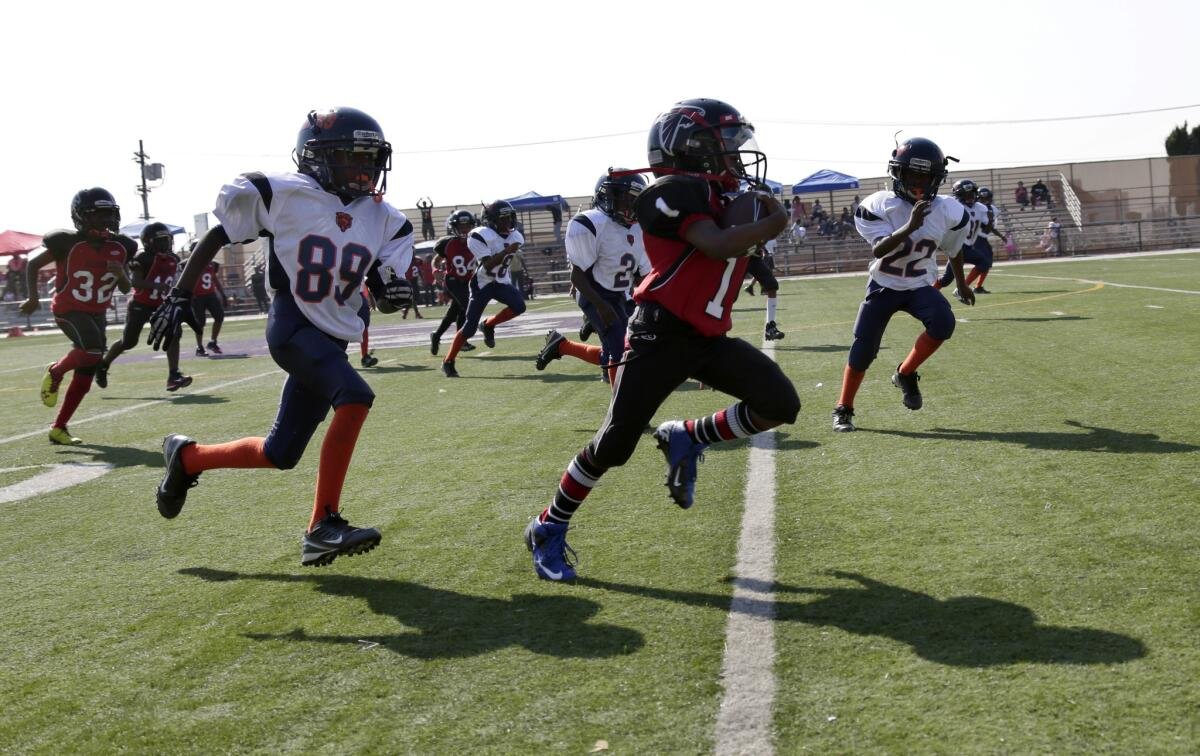
The duration of kids football games varies, but typically they last between 60 and 90 minutes, including halftime.
Ever wondered about the actual game time when you see those young athletes on the field? Parents often ask, how long do kids football games last, as they juggle busy schedules. It’s important to know, especially when planning weekends around your little stars’ activities.
The answer isn’t always a straightforward number since it changes based on age groups and league regulations. Usually, these youth matches fit comfortably within a specific timeframe so everyone knows the expectation.

How Long Do Kids Football Games Last?
So, your child is excited about playing football! That’s awesome. But you might be wondering, “Just how long will these games actually be?” It’s a great question, and the answer isn’t always a simple one. The length of a kids’ football game can vary quite a bit depending on several factors, like the age group, the league rules, and even whether it’s a practice or an actual game. Let’s break it all down so you know what to expect when you’re cheering from the sidelines. We’ll explore different types of football and what you can expect for game lengths.
Flag Football Game Length
Let’s start with flag football. This is often the first type of football kids play because it’s a great way to learn the basics without the contact of tackle football. Flag football focuses on agility, strategy, and teamwork. Instead of tackling, players pull flags off of the ball carrier to stop their progress.
Typical Game Duration for Flag Football
Flag football games are usually shorter than tackle football games. Here’s a general idea of what to expect:
- Younger Kids (Ages 5-7): These games often last between 40 and 60 minutes. This time includes some breaks and might be divided into four shorter quarters of around 10-12 minutes each.
- Older Kids (Ages 8-10): Games for this age range tend to run a bit longer, usually between 60 and 75 minutes. They might still have four quarters, but these could be 12-15 minutes long each.
- Middle School (Ages 11-13): As players get older, the game length increase. Expect games around 60 to 90 minutes long.
Remember that these are estimates and actual game times can change based on specific league rules. It’s always a good idea to check with your child’s coach or league for exact details. Halftime breaks can also contribute to the overall time a game may take. A standard halftime break is 10 – 15 minutes.
Tackle Football Game Length
Tackle football introduces more complex plays and of course, physical contact. It’s more structured and usually involves more time on the field. So, how long do these games last?
Standard Time Periods in Tackle Football
Tackle football games use a system of quarters, with clock stoppages for various reasons like incomplete passes, penalties, and timeouts. The length of each quarter can vary.
- Youth Leagues (Ages 7-10): Quarters are typically 8 to 10 minutes long, resulting in a game that may last 60-90 minutes. This total time includes halftime and any other stoppages during the game.
- Middle School (Ages 11-13): The length of each quarter increases, often to 10 or 12 minutes. This leads to games lasting closer to 90-120 minutes.
- High School (Ages 14-18): Games typically comprise of four 12-minute quarters. This usually puts a game length at around 2 to 3 hours including halftime, timeouts, and other stoppages.
Factors Affecting Game Length in Tackle Football
The time of a football game can be a bit unpredictable. These factors can add to the total time it takes to complete a game.
- Timeouts: Each team has a certain number of timeouts they can use per half. These pauses will extend the overall game time.
- Penalties: Penalties can cause the clock to stop for a time. There are many different penalties, and this can have the impact of stopping a game clock.
- Injuries: If a player gets hurt, the game clock stops while they receive attention. This can definitely affect the length of the game.
- Overtime: Sometimes games can end in a tie and need to go to overtime. Depending on the league rules, this can add a few extra minutes to the total game time.
- Half-time: Halftime is a break between the second and third quarter. Halftimes can take anywhere from 10 to 20 minutes.
Differences in Game Length Based on Leagues
It’s essential to understand that different leagues can have different rules. These rules will affect the game length. For instance:
- Pop Warner: A well-known youth football program with specific rules regarding age, weight, and game lengths. Pop Warner games often adhere to specific time limits to protect the players.
- AYF (American Youth Football): AYF is another large organization that focuses on youth football with specific rules. These rules determine the length of the games.
- Local Leagues: Smaller leagues, often run by local community groups, can have their own specific time limits and rules.
Always consult with your child’s coach or the league organizers to determine the exact game format and how long you should expect to be at the game.
Why the Varying Game Lengths?
You might wonder why there are so many differences in game lengths for kids’ football. There are a few key reasons for this:
Age and Physical Development
Younger players have different endurance levels compared to older players. Shorter game times are more suitable to make sure they don’t become overly tired. As players grow and become more physically fit, they can handle longer games. As players grow older, and begin to train more intensely, the game duration can be longer.
Safety Considerations
Football is a physically demanding sport, and safety is always important. For younger players, shorter game times help reduce fatigue which will reduce the risk of injuries. Safety measures like timeouts, or clock stoppages due to an injury will add to the length of the game. Game length will vary according to the types of leagues.
Learning and Development
The different game lengths align with the learning stages of each age group. Shorter games for younger children allow them to grasp the game’s basics while older players can develop more complex strategies. Longer games will benefit older players since they have more endurance, and it allows them to strategize during the game. With more game time, they are able to build stronger team bonds.
What to Bring to a Game
Whether it’s a flag football game lasting an hour or a tackle football game going for a couple of hours, it’s best to come prepared. Here’s a quick checklist of things to bring to a kids’ football game:
- Water: Staying hydrated is essential, especially during warm weather.
- Snacks: Pack some healthy snacks to keep your energy up.
- Sunscreen: Protect yourself from the sun, even if it’s not extremely hot.
- Hats and Sunglasses: Extra sun protection will make the day more enjoyable.
- Comfortable Chair or Blanket: You will be sitting for a while, so make sure you are comfortable.
- First-aid Kit: It’s always good to have a small first-aid kit on hand for minor scrapes.
- Camera: Capture the memories of your child playing their game.
- Something to do: Bring a book, or game to pass time during the game stoppages.
How to Make the Most of Game Day
Kids’ football games are a great experience. Here are some ways to make the most of game day:
- Cheer Your Team: Encourage the players and the coaches. Show your enthusiasm.
- Be Respectful: Remember that everyone is doing their best, and keep things positive.
- Be Patient: Sometimes games might run over their anticipated time, so go with the flow.
- Learn the Rules: The better you understand the game, the more enjoyable it will be.
- Spend Time With Your Family: Enjoy the bonding time. Have fun with your family on game day.
Understanding how long kids’ football games last is important. This will make sure you’re properly prepared. Whether it’s a short flag football game or a longer tackle football game, each offers a chance for kids to have fun, develop skills, and learn valuable life lessons. Remember to check with your local league or your child’s coach for precise game times. By understanding game durations and preparing accordingly, you can make the most of each game day.
This little girl dropped a college football player 😱😂 (via _kidwilliams_/TW)
Final Thoughts
In summary, the duration of kids’ football games varies significantly depending on age group and league rules. Younger children might play shorter games, often lasting around 40-60 minutes, focusing on participation and skills development. As kids get older, game length increases.
Older kids games could reach 60-90 minutes, similar to some adult games. So, how long do kids football games last is truly dependent on many factors. Always check with your specific league or coach for precise times.

