
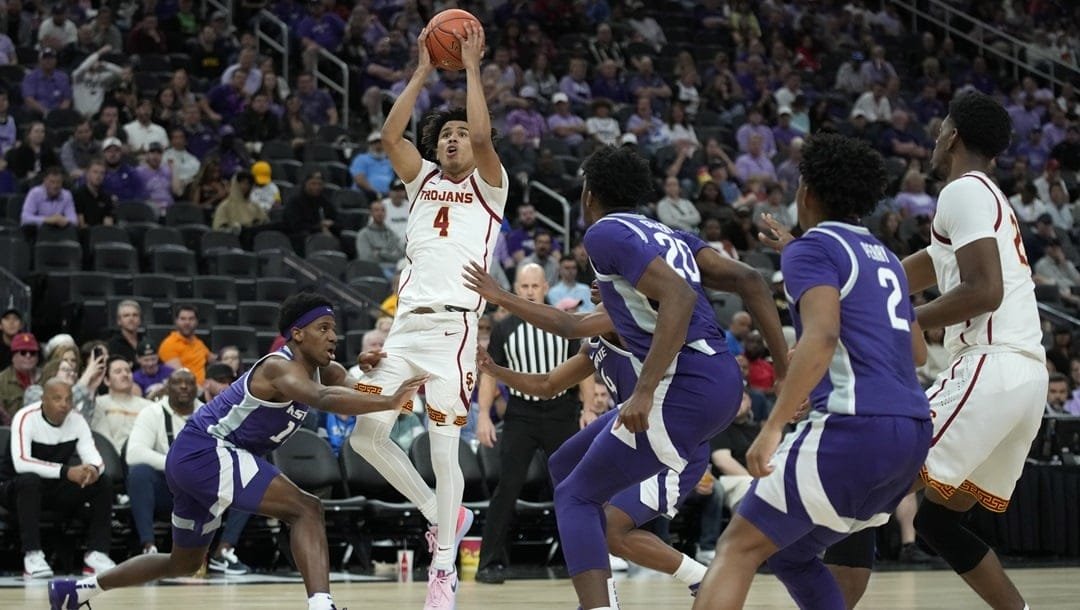
A college basketball game typically lasts for 40 minutes of playing time, divided into two 20-minute halves.
Ever wondered how long a college basketball game truly takes? It’s not just about the clock ticking down on the court. The actual game time is shorter than what you’d experience watching live or on TV.
Many factors influence the total duration of a game. Time-outs, fouls, and halftime add considerable length to what is the 40 minutes of the actual playing time. Knowing how long a college basketball game goes can help you plan your viewing schedule.

How Long Is a College Basketball Game?
Ever wondered how much time you need to set aside to watch a college basketball game? It’s a good question! Unlike some sports, the game clock in basketball isn’t always a straight shot to the finish. There are a few things that can change how long a game lasts. Let’s dive in and take a closer look at everything that affects the length of a college basketball game, so you’ll know what to expect when you tune in or head to the arena.
The Basics: Regulation Time
The first thing to understand is that a standard college basketball game is divided into two halves. Each half is 20 minutes long, which means the total playing time is 40 minutes of action. So, if no clock stoppages or overtime happens, that is your base length of time for the game. But, as you might guess, things are rarely that simple. There are things that can make a game take longer.
Halftime Break
After the first 20 minutes of playing time, the teams go into halftime. This is a break where they can rest, talk strategy with coaches, and get hydrated. Halftime is usually 15 minutes long, which can feel like an eternity if you are really into the game. It’s a chance for fans to get snacks or stretch their legs too. So while the clock is stopped during the halftime break, this does add to the total amount of time you spend watching the game. These minutes don’t count towards the 40 minutes of actual game action, but they are part of the total game experience.
Clock Stoppages: Why Games Take Longer
The biggest reason why a college basketball game takes longer than 40 minutes is because of clock stoppages. The clock stops anytime the ball is out of bounds, when there is a foul, during timeouts, or when there is a jump ball. Let’s break these down further:
Fouls
When a player commits a foul, the referee stops the game. Depending on the foul, it might mean a player has to shoot free throws. Each free throw attempt stops the clock, and the clock doesn’t restart until the ball is put back into play. So, if a lot of fouls happen in a game, this can add several minutes to the game’s duration. A close game with many fouls in the last few minutes can especially extend how long it takes to finish.
Timeouts
Each team gets a certain number of timeouts. These are short breaks that coaches can call to talk to their team, make substitutions, or interrupt the flow of the other team. When a timeout is called, the game clock stops. Timeouts are usually 30 seconds, 60 seconds, or 75 seconds depending on the rules or if there is a media timeout. These breaks add to the total time it takes to complete a game. Teams strategically use these throughout the game to their advantage.
Out-of-Bounds and Jump Balls
When the ball goes out of bounds, the clock stops until the ball is put back into play. Similarly, when two players from opposing teams grab the ball at the same time, the referee will initiate a jump ball. The clock is stopped in both scenarios until the ball is active again. These stoppages are short, but they add up over the course of the game. Lots of back and forth plays, with the ball frequently going out of bounds, can cause several clock stoppages.
Injuries
Sometimes players get hurt during the game. If this happens, the clock is stopped while the medical staff attends to the player. These stoppages can vary in length, depending on the severity of the injury. We hope no one gets hurt, but if this happens, it will add extra time to the total game length.
Overtime: When the Game Goes Longer
Sometimes, a college basketball game is tied at the end of regulation time. When this happens, the teams go into overtime. Overtime periods in college basketball are 5 minutes long. If the game is still tied at the end of overtime, the teams will play another 5-minute overtime period until a winner is found. Just like in the standard game, the clock stops for fouls, timeouts, out-of-bounds, and other things that happen in the game. Each overtime period adds 5 extra minutes of playing time, plus any added time for stoppages. An overtime game will easily go over a two hour time frame. It’s exciting for fans, but it means they’ll be watching longer than normal.
The Real Time: How Long Games Usually Last
So, with all these stoppages in play, how long does a typical college basketball game actually last? While the official game time is 40 minutes, the average college basketball game actually takes around two hours to two and a half hours from start to finish. This can vary though. Games that go into overtime can run close to or even more than three hours. Games that have a lot of fouls, many free throws, or frequent timeouts can also run longer. Games with fewer stoppages, a less intense pace, and a big score difference can be shorter. Because the clock is almost always stopped after each score, the length of each game will vary greatly depending on the pace of play. So, you might need to plan a little extra time when watching or attending a game.
Factors That Can Influence Game Length
Several factors can affect the game length besides basic rules like fouls or timeouts. These elements play a significant role in deciding how long it will take for the game to complete:
Pace of Play
The pace at which a team plays dramatically affects how long a game will last. Teams that play at a fast, up-tempo speed with many shot attempts tend to experience games with more stoppages. In contrast, teams that like to slow the pace down, take careful shots, and go through offensive plays will often have games with fewer stoppages, especially when there is little action under the basket. The style of play of each team will have a big impact on the overall length of a game.
Number of Fouls
The number of fouls called during the game will significantly affect the overall length. If the game is very physical, and many fouls are called in each half, the game will drag out considerably. This will increase the overall time spent watching. If a game is less physical, or there are less fouls called, the game might be quicker.
Number of Timeouts
Both teams have timeouts that can be called, as mentioned previously, and these can be strategic. The more timeouts used by a team, the longer the game will last. The coaching staff may use more timeouts towards the end of the game, so the game may feel like it is taking longer to finish.
Media Timeouts
TV broadcasts also have media timeouts, these are pre-scheduled breaks in the game. They are usually added to the game when the clock is stopped after set time increments in each half. The media timeouts are important for television commercials. These do add extra time to the game.
Game Situation
The actual game score and context of the game has a significant impact on the game’s length. For example, if there is a close, tight, back-and-forth game, expect to see more fouls and strategic time outs. Coaches will be more careful with substitutions and play calls, so expect a longer game. A game with a large score discrepancy will move much faster, as the coaches may use their bench players. This will reduce the amount of strategy, and move the pace of the game much faster, therefore resulting in a shorter game.
Comparison With Other Levels of Basketball
It’s worth noting how college basketball game length compares to other levels of the sport:
High School Basketball
High school games are shorter than college games. Each quarter is only 8 minutes, instead of the 20 minute halves you see in college, meaning the playing time is only 32 minutes. High school games typically take around an hour and a half to complete, depending on the factors we’ve already mentioned.
NBA Basketball
NBA games are longer than college games. Each quarter is 12 minutes long, so there is 48 minutes of total playing time. With the longer quarters, NBA games can run for over two and half hours, and sometimes more, especially when you factor in timeouts, free throws, and other breaks. The breaks in an NBA game are more frequent, and longer, adding to the game’s total length. This makes the total viewing experience longer than a college game.
Why Understanding Game Length Matters
Knowing how long a college basketball game will likely last is important for several reasons. If you are going to the game in person, you’ll need to plan for travel and parking. If you are watching at home, you might need to figure out when to start your chores, or arrange your meal times. For both, knowing the typical length will allow you to plan accordingly. Fans watching at home may want to record games if they have other things they need to do at the same time. Knowing how long a basketball game will last also impacts scheduling. This knowledge can help you coordinate other activities or appointments around game time. Additionally, for young fans who are just getting interested in the sport, understanding the pacing of the game helps them develop patience and focus.
Understanding the basics of a college basketball game’s timing makes the viewing experience much better. Instead of wondering when the game will end, you can sit back, relax, and enjoy the game without worrying about the clock.
Pittsburgh Panthers vs. Duke Blue Devils | Full Game Highlights | ESPN College Basketball
Final Thoughts
A standard college basketball game lasts for 40 minutes, divided into two 20-minute halves. Clock stoppages for fouls, timeouts, and out-of-bounds plays extend the overall game time.
Extra periods, called overtime, of five minutes each may occur if there’s a tie at the end of regulation. Therefore, how long college basketball game varies, generally between two and two and half hours.

