
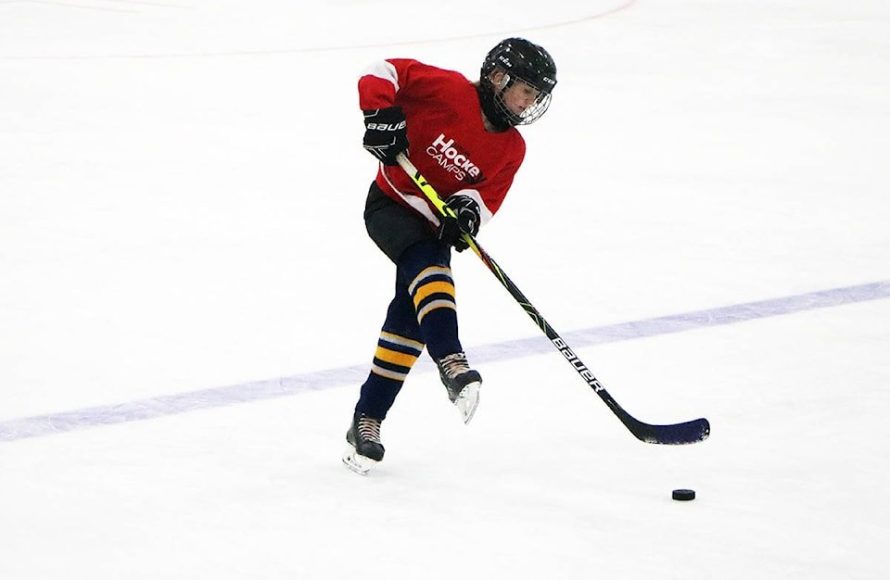
Minor league hockey games typically last around 2 hours and 30 minutes, including intermissions.
Ever wondered how long those exciting minor league hockey games last? Well, it’s a common question for fans new to the sport or those planning their evening. Understanding the game’s duration helps plan your attendance.
Usually, a standard minor league hockey game runs for roughly two and a half hours. This time includes three 20-minute periods of play plus intermissions. The intermissions allow players to rest and fans to stretch.

How Long Do Minor League Hockey Games Last?
Alright, let’s talk about minor league hockey! You might be wondering, just like your favorite major league games, how long these exciting matches actually last. Well, it’s not as simple as a single number, but we can definitely break it down for you. The typical length of a minor league hockey game is very close to that of a NHL game, coming in at about 2 and a half hours, give or take. But, a lot of things can affect how long you’ll be watching these players skate and score. We’re going to dive deep into all the factors that play a role in the game’s duration. So, grab your jersey, and let’s get started!
The Standard Structure of a Minor League Hockey Game
Just like the NHL, minor league hockey games follow a specific format. Understanding this format will help you understand the general time it takes for a full game to be played.
Three Periods of Play
The core of any hockey game, whether it’s in the NHL or a minor league, is the three periods of play. These periods are always 20 minutes long each. That’s a total of 60 minutes of actual playing time. However, that’s not the only time used during a game. There are also intermissions between these periods.
The Intermission Breaks
Between each period there is a short break called intermission. These intermissions are there so players can rest, coaches can strategize, and fans can get snacks or use the restrooms! In most minor leagues, these intermissions are about 15-17 minutes long. That’s two intermissions at 15-17 minutes each, adding another 30-34 minutes to the total game time. This is important when determining how long you’ll be at the arena.
Factors That Can Change Game Length
While the standard game structure is always the same, many factors can affect the final time you’ll be in the arena. Some of these make the game go longer while others make the game a bit shorter.
Penalties and Power Plays
Penalties are a part of hockey, and when a player gets a penalty, they have to sit out for a certain amount of time, giving the other team a power play. During power plays, there’s generally more stoppages in play for face-offs and also chances for more goals. All of this increases the total time of the game. If a game has a lot of penalties, the clock stops more often, which can add to the overall game length. The clock will also stop after penalties are called.
Minor Penalties: These usually last two minutes.
Major Penalties: These are longer, often five minutes.
Misconduct Penalties: These can be 10 minutes and don’t result in a power play.
More penalties mean more stoppages, which mean a longer game time overall.
Timeouts
Each team is allowed to call a timeout during the game. A timeout is a short break where a team huddles on the bench and can review their plans. Timeouts are usually one minute long, and while one minute doesn’t seem long, multiple timeouts can add time to the game. So when a team needs a breather, they can call a time out.
Injuries and On-Ice Medical Attention
Player safety is the first priority for any league. So if a player gets hurt, the game is stopped, and medical staff will come onto the ice to help. These stops can be short if it’s a minor issue. If a player is seriously injured, however, then a medical staff may require additional time on the ice to treat them. All that extra time on the clock can affect the game’s duration, sometimes significantly. These moments can add a lot of time depending on the situation.
Overtime and Shootouts
In most minor leagues, if the game is tied at the end of the three periods, the teams will go into overtime. Overtime can come in different styles, depending on the league rules. Some leagues use a 5-minute overtime period. If the score is still tied, it can then go to a shootout. A shootout can take a few minutes. All this added time can greatly add to how long you will be in the arena, so it’s important to know the rules of your minor league game.
Differences Between Minor Leagues
Just like professional hockey, minor leagues are not all the same. The game structure can be different, and therefore the overall length may differ as well. Let’s look at a few main differences.
American Hockey League (AHL)
The AHL is often considered the top minor league in North America. They have an established format that closely mirrors the NHL’s rules. Their standard 20-minute periods and 15-minute intermissions closely match what fans expect to see in a major league game. Games often take about 2.5 hours, which means they fall very close to how long NHL games take. Overtime in AHL can be 5 or 7 minutes depending on if its regular season or playoffs.
ECHL
The ECHL is another professional minor league and it follows a similar game structure to the AHL and NHL. You’ll find that the game lengths, because of the 20-minute periods and 15-17 minute intermissions, are very similar to most hockey games you watch. Overtime in ECHL can also be 5 or 7 minutes depending on if its regular season or playoffs.
Other Minor Leagues
There are a lot of different minor leagues out there. Some are closer to professional, and others are more regional, amateur leagues. Therefore, the length of the game may differ slightly from other leagues. However, the 20-minute period standard tends to remain the same across most hockey leagues. So the biggest difference may be with the intermission length, or with rules about overtime and shootouts. Always check the specific rules of the league you are watching if you want to know exactly how long the game will be.
How Game Stoppages Affect Overall Time
Now, let’s dive deeper into why stoppages are so important when understanding how long games last. It’s more than just the 20-minute periods.
Clock Management in Hockey
The game clock in hockey is not like a regular clock. It stops for any break in play, like a penalty, an icing call, a goal, or when the puck goes out of the playing area. This start-and-stop nature of the clock is one of the main reasons why a 20-minute period can take more than 20 minutes to be completed. In some periods you may have several minutes of non-stop hockey, in others you may have stoppages every 15-30 seconds. All these changes add to the complexity of how long the game will be.
Examples of Stoppages
To help you understand how all of this works, lets look at some different types of stoppages:
Icing: If a player shoots the puck from behind their own half of the ice all the way to the opposing team’s end without anyone touching it, that’s icing. This stops the game.
Offsides: If a player goes into the offensive zone before the puck, that is offsides. This also stops play.
Puck Out of Play: If the puck leaves the area, like into the crowd or behind the net, this also stops the game.
Faceoffs: After almost every stop in play, there is a face off. These don’t take long, but they do add to the overall time of the game.
Goal Celebrations: Goals can take a few minutes. Not only for the actual goal, but for the ref to check and make sure it counted, and for celebrations on the ice.
All these stoppages can make a period take much longer than the standard 20 minutes. So even if you’re only watching for the periods of game play, remember the clock will not be running the whole time.
Planning Your Trip to the Arena
When you’re heading to a minor league hockey game, it’s good to plan for the time spent in the arena. The usual game time of 2.5 hours, with the potential for it to be longer, it’s good to make sure you allow enough time for the game, and getting to the arena before and leaving after.
Arrival Time
Aim to get to the arena at least 30 minutes before the game starts. This lets you find parking, get through security, get your seats, grab a snack, and relax a little. Getting there early means you won’t be rushing. It also lets you see the warm ups if you like, or buy some fan merch.
Post-Game Considerations
Once the game ends, you’ll need to think about getting out of the stadium, and also how long it might take to get home. If you have kids in the family, you’ll want to get home before bedtime! Post game traffic and slow moving crowds in the stadium can cause further delays.
Using the Estimated Time
Knowing that the game will likely take 2.5 hours is a good starting point. Just remember that there is always a chance that the game will go longer due to all the other factors we talked about. So it’s better to have extra time, than to miss the end of the game.
A Quick Summary
Okay, so let’s wrap things up. A minor league hockey game is built around three 20-minute periods. The game length will usually be around 2.5 hours. This can change though, with penalties, injuries, timeouts, and overtime. Games can take a bit longer or be a bit shorter, but most are around that 2 and a half hour mark. Knowing the format of the game, and how stoppages can add to it, will help you to properly plan when you go see a game.
The world of minor league hockey is very exciting, and understanding how long the games last will help you to plan your trip to the arena! Remember that game stoppages are a huge factor in adding time, and it’s always better to have a little extra time in the arena. By planning ahead, you can simply sit back and enjoy the game.
How The North American Professional Hockey Feeder System Works
Final Thoughts
Minor league hockey games typically last about 2 to 2.5 hours. This duration includes the three 20-minute periods, intermissions, and potential overtime. Games can sometimes run a bit longer if there are numerous penalties or extended stoppages in play.
The actual game time itself is 60 minutes of play. How long do minor league hockey games last is a question with varying answers, but mostly it fits within the 2-2.5 hour window. Overtime and shootout can add some extra duration.

