
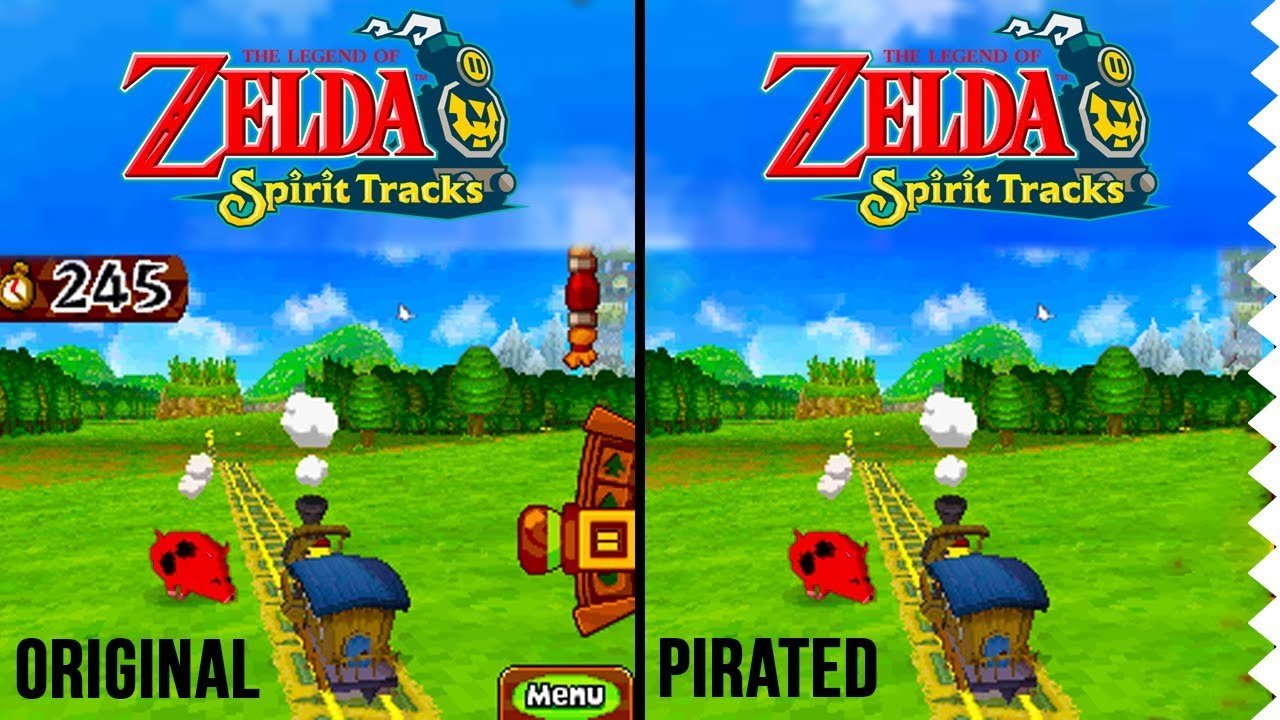
Piracy in games is the unauthorized copying, distribution, or use of video games without the permission of the copyright holders.
Have you ever wondered about the shady side of gaming? We often hear about terms like ‘warez’ and illegal downloads floating around. It’s time to dive into a very important topic, what is piracy in games. It affects developers and players alike.
Essentially, piracy involves getting games without paying for them. This often happens through illegal downloads and cracks that bypass security measures. These activities steal revenue from game creators.

What is Piracy in Games?
Have you ever heard someone talk about “pirating” a game? It’s not about swashbuckling pirates on the high seas, but it’s still about taking something that doesn’t belong to you. In the world of video games, piracy means getting a game without paying for it. It’s like sneaking into a movie theater without buying a ticket, except it happens with computer files. It’s a big deal because it hurts the people who work hard to make those games we love.
How Does Game Piracy Work?
Imagine your favorite video game is like a special toy that a company creates. To play with that toy, you usually have to buy it. But with piracy, people find ways to get a copy of the game without paying. This often involves illegally copying the game’s files and sharing them on the internet. There are a few ways this happens:
Downloading from Unofficial Websites
Think of the internet as a giant city. There are lots of safe places to get things like official game stores where you buy games. However, there are also sneaky, unsafe alleys where bad people share games for free. These are often unofficial websites that offer downloadable games. When someone downloads games from these websites, they’re often downloading pirated copies. It’s tempting because it’s free, but these sites can also have viruses or malware that can harm your computer.
File Sharing Networks
Some people use special programs that let them share files with others across the internet. These programs can be used to share music, movies, and also, unfortunately, games. When someone shares a game this way, other people can download it for free. This kind of file sharing is often called peer-to-peer sharing. However, when the shared game is a pirated copy, this sharing makes the problem of game piracy worse.
Cracked Software
Many games have some kind of protection to prevent people from copying and sharing them. These protections require a special code that proves you bought the game. When game pirates create “cracks,” they are actually changing the game’s coding to remove those protections. This allows the game to be played without the code, therefore making it easy for others to use it for free. It’s like breaking the lock on a box and taking what’s inside without permission.
Why is Game Piracy Wrong?
Game piracy might seem like just getting a free game, but it has big negative effects. Here’s why it’s harmful:
Hurts Game Developers
Making a video game is a very big and costly project. It takes a team of people, including artists, programmers, musicians, and designers. They all work very hard to create a great game that we can enjoy. When people pirate games, the developers don’t get paid for their work. This means they have less money to make new games or update the existing ones. If developers don’t get paid, they might stop making games and you might not get to play awesome games in the future.
Loss of Jobs in the Gaming Industry
Game development provides many jobs. When piracy becomes popular, game sales drop. This makes it difficult for game companies to pay their workers and might lead to layoffs, resulting in people losing their jobs. This can affect the entire gaming industry, from small independent teams to large studios.
Security Risks
Downloading games from unofficial sites can put your computer at risk. These pirated copies may include viruses, malware, or other harmful software that can slow down your computer, steal your personal information, or even damage your computer. It’s like eating food from a dirty place – it might seem like a good deal at first, but it can make you very sick.
Undermining Innovation
When piracy is common, game companies are less likely to take risks on new ideas. They may only focus on games that are less likely to be pirated. This means less innovation and fewer original and creative games for you to play. Piracy can actually stifle the gaming industry’s progress.
Unfair to Paying Customers
Think about how you feel when you have to pay for something, and your friend gets the exact same thing for free. People who purchase games fairly support the gaming industry. When others get the game without paying, it is not fair for those who paid. It reduces the gaming companies’ profits, who need the money to keep making games and it also makes game development less sustainable.
Different Types of Game Piracy
Game piracy isn’t just one thing; it comes in various forms:
Software Piracy
This is probably the most common type of game piracy. It involves copying, distributing, and using games without proper authorization. This can include sharing downloads, making copies of physical game discs, or using cracked software versions.
ROM Piracy
ROMs are digital copies of game cartridges or discs, usually from older console systems. Sharing ROMs for games that you haven’t bought is considered piracy. Even though the games are old, they are still copyrighted material and sharing them without permission is illegal.
Modding and Piracy
Modding is making changes to a game, which is often done to add new content or make changes to how a game works. When modders share these changes without the permission of the developers, sometimes it can also be considered piracy. It’s important to note that modding can be great, but when it is done with copyrighted material, it can become a problem.
Counterfeiting
Counterfeiting is the act of making fake physical copies of games. These might look like real game discs or cartridges, but they are not made by the actual game company. Buying and selling counterfeit games is another form of piracy that cheats both the game company and the buyer.
Account Sharing
Account sharing is when someone shares their user account with others, to avoid people buying their own copy of a game. Game companies often try to prevent this by making an account tied to a person or their computer. This type of sharing is a breach of the game company’s terms and conditions and is considered a type of piracy.
Legal Consequences of Game Piracy
Piracy isn’t just unethical; it’s also illegal. There are laws to protect game developers and their intellectual property. When you engage in piracy, you’re breaking these laws, and there can be consequences. What can happen when you are involved in game piracy?
Fines and Penalties
Game companies have the legal right to sue people for illegally using, copying, and sharing games. The fines for piracy can be very high, depending on the case and how much damage it has done. These fines are given as a penalty for stealing something, which can be very costly.
Lawsuits
If a game company finds that someone is seriously involved in game piracy, it can bring a case against that person or group. These cases might be very lengthy and involve paying a lot of money. This can be avoided by just buying games the right way.
Imprisonment
In severe cases of game piracy, especially if someone is making and selling pirated copies of games on a large scale, the law can require imprisonment. This penalty is usually kept for people who have made game piracy a big business.
How to Avoid Game Piracy
The good news is that you can have lots of gaming fun without ever resorting to piracy. Here’s how:
Buy Games from Authorized Retailers
The safest way to get games is to purchase them from official stores or digital platforms, like the PlayStation Store, Xbox Store, Nintendo eShop, Steam, and Epic Games Store. These stores are known for selling only genuine copies of games. You can also buy physical copies of games at retail stores like Target or Walmart.
Take Advantage of Sales and Deals
Game stores often have sales and deals, especially during holidays or special events. It can help you buy games at discounted prices. This way, you can get the games you want without breaking your wallet and keep the developers happy.
Use Free-to-Play Games
Many fun games are available completely free of charge! These free-to-play games often make money through in-game purchases. They are a great way to play fun games without worrying about piracy. These are usually the safest way to game.
Support Indie Game Developers
Indie game developers are small teams of people who make games. They sometimes have very special and creative ideas and their games are often affordable to purchase. Supporting indie developers by buying their games can help them continue to make amazing content.
Be Patient
Sometimes it might be exciting to get the latest game, but they might be expensive. By waiting some time, the game can be available at a lower cost or on special sale. By being patient, you can support the game industry, but not hurt your wallet either.
Talk to Adults
If you’re ever unsure about how to purchase games safely, talk to a parent, guardian, or another trusted adult. They can help you find safe places to buy games and ensure you aren’t involved in any piracy.
The Impact of Game Piracy on the Gaming Industry
Game piracy is not just a minor issue; it has a deep impact on the entire gaming industry. It is important to see the ways that this problem actually hurts the industry.
Reduced Revenue and Profits
When games are pirated, the game companies see a big drop in their revenues and their overall profits. This reduction in profits can hinder them from investing in new games and technology. It can hurt the innovation that you want in the games you play. Less money means less progress.
Decreased Game Quality
When game companies see profits going down, they might cut back on the amount of money they spend on development. This results in games that are not as polished and well-designed as they could be. This can lead to bugs, less content, and a poorer gaming experience overall.
Discourages Innovation
With piracy being an ongoing problem, game developers might become more cautious about taking risks on new ideas, because they are not sure if they will make back what they have invested. This results in fewer and fewer experimental games and the same old gameplay ideas. This makes the whole industry get boring over time.
Increased Development Costs
To try to prevent piracy, game developers must implement costly anti-piracy measures. They spend money and resources on things like digital rights management (DRM) and other protections. These expenses could be used to improve the game, so it really is a waste of resources overall.
Decline in Support for Online Services
Many games have online features, servers, and updates. Game companies pay money to keep these servers running smoothly and provide updates. When piracy hits, they have less money to provide the same quality of online experience or update the game for very long. This impacts all gamers, especially the ones who bought the games legally.
In conclusion, game piracy might look like a way to get free games, but it is actually a big problem that hurts game developers, gamers, and the entire gaming industry. By understanding what it is and the impact it has, you can avoid it and play games the right way. The best way to play is to support the people who make the games you love.
Video Game Anti-Piracy Screens
Final Thoughts
Piracy in games involves the illegal copying and distribution of video games. People often do this without paying the developers or publishers. This practice deprives creators of income and can hinder future game development.
Copyright infringement is the key element defining what is piracy in games. It’s essentially theft, just in digital form. Gamers engage in this by downloading unauthorized copies from websites or peer-to-peer networks.
Ultimately, what is piracy in games boils down to illegally obtaining and sharing games, negatively impacting the industry and its workers. Always purchase games legally to support creators.

