
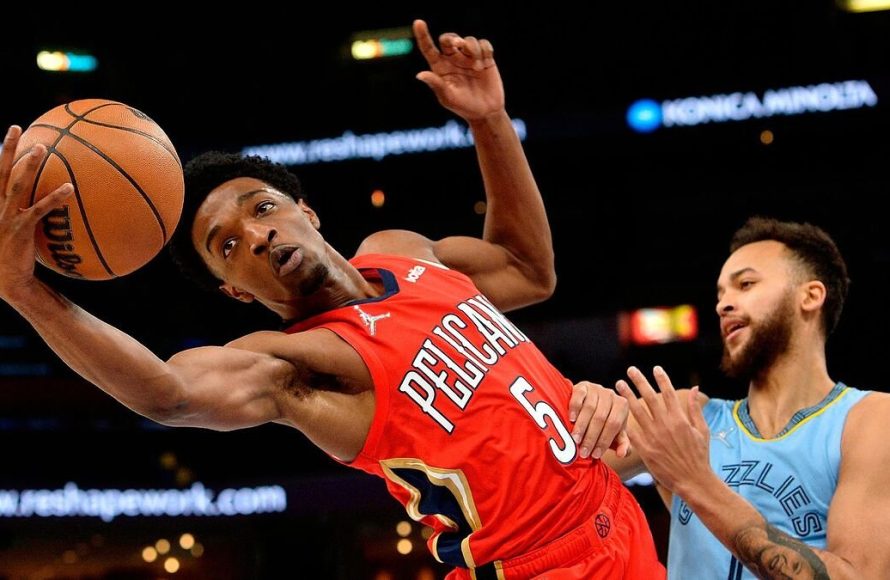
NBA games typically last around 2 to 2.5 hours, excluding overtime periods.
Ever wondered how long do nba games go for? It’s a common question for both new fans and those curious about scheduling. You might plan your evening around catching a game live or on TV.
The actual time fluctuates due to stoppages in play, timeouts and of course, the possibility of extra periods. Knowing the approximate duration helps you manage your time efficiently when catching games.

How Long Do NBA Games Go For?
Ever wondered exactly how long an NBA game takes? It’s not as simple as setting your watch for a specific time. While the official clock is set for 48 minutes, the actual time you’ll spend watching a game is usually much longer. Let’s dive into all the factors that influence the length of an NBA game and what makes them so unpredictable.
The 48 Minutes: The Basic Structure
The core of an NBA game is divided into four quarters, each lasting 12 minutes. That’s the “official” playing time totaling 48 minutes. This is similar to a school day; you know how long your classes are supposed to be, but things don’t always go perfectly on schedule.
Quarter Breakdown:
- First Quarter: 12 minutes of game time.
- Second Quarter: 12 minutes of game time.
- Third Quarter: 12 minutes of game time.
- Fourth Quarter: 12 minutes of game time.
This sounds straightforward, right? But this only accounts for the time when the basketball is actually in play. There’s so much more that influences the clock, and we are going to explore that next.
Why Games Go Beyond 48 Minutes
The 48 minutes of clock time is rarely the actual time it takes to watch a full NBA game. There are several factors that add to the overall game time, making it feel longer than a typical 48 minutes. Think of it like baking cookies; the instructions might say 10 minutes, but you need to factor in prep time, cooling time, and probably sampling time! Similarly, NBA games include many ‘non-playing’ moments.
Timeouts: Strategic Breaks
Timeouts play a big part in extending games. Teams are allowed a certain number of timeouts during each game. These short breaks in the action can be called by either the coach or the players on the court. They are not just for rest, coaches often use timeouts to plan strategies or to stop an opponents run. Timeouts can last 1 minute 15 seconds and every single timeout adds more time to the game’s length. Teams often use all of their timeouts, which increase the total game time.
Fouls and Free Throws: The Stop-Start Effect
Fouls also significantly impact game length. Every time a foul is called, the game clock stops. This pause in game time allows the referee to discuss the foul. Depending on the type of foul, the player may have to shoot one, two, or three free throws. Each free throw takes time because the player must get ready, the clock stops, and then the player shoots. All these little stops for fouls and free throws add quite a bit to the game time.
Injuries: Halting the Game
Sadly, injuries are part of the game. If a player gets hurt, play stops immediately to ensure they get the necessary attention. Sometimes injuries are minor and play resumes quickly, and sometimes they require a longer pause. The stoppage will go on as long as it takes for the medical staff to evaluate the player. If a player needs to be carried off the court, this will definitely extend the game’s duration. These unforeseen circumstances make it very challenging to predict the overall length of an NBA game.
Instant Replay: Ensuring Fair Play
The NBA uses instant replay to make sure all calls are accurate. If there’s a close play or a question about a foul, the referees can go to the monitor and take a second look. These replay reviews take time. While it’s important to ensure that the correct call is made, the review process stops the clock and thus makes the game longer. It also creates a pause that makes the whole game feel longer.
Half-Time Break: A Longer Intermission
After the first two quarters, there is a halftime break. This is a longer break that is usually around 15 minutes long, it gives the players a chance to rest and the coaches a chance to adjust their strategies and provide encouragement. Halftime also provides a time for the crowd to stretch their legs and buy snacks and also entertainment. The 15 minute break adds to the total time. During halftime, the game clock stops, but obviously, real time continues to move forward.
Commercial Breaks: Part of the Broadcast
Most people watch NBA games on TV, and those broadcasts include commercial breaks. These breaks happen after nearly every timeout, at the end of each quarter and halftime. These commercials are very important for the networks and the TV broadcasts. Commercial breaks extend the total length of the game as well. They add time to the overall broadcast, that’s why the viewers have to spend more than 48 minutes to watch the full game.
Overtime: When Games Need Extra Time
What if the game is tied at the end of the fourth quarter? This leads to overtime! Overtime is an additional period of play when the score is tied at the end of regulation. It’s played to determine a winner. If the teams are tied at the end of the 48 minutes, an additional 5 minutes of game time is added, and the game clock goes back to 5 minutes again. If the teams are still tied after this overtime period, another overtime period will be played. This cycle will continue until there is a winner. Overtime periods create a lot of extra excitement, but it also means that the game will go longer than usual. The NBA uses a sudden death format of overtime, where overtime is five minutes.
Overtime Length
- One Overtime: 5 extra minutes of playing time
- Multiple Overtime: another 5 minutes for each additional overtime needed.
The fact that overtime can be indefinite means that an NBA game could go on quite a bit longer than the standard 2 hours or so.
Average Game Length: More Than Just 48 Minutes
While the actual playing time is 48 minutes, the average NBA game duration typically falls between 2 and 2 and a half hours. This includes all of the timeouts, fouls, halftime, commercial breaks, and other pauses in the action. If there’s overtime, you can expect the game to last longer than 2.5 hours. In reality, many fans settle in for a 3-hour viewing experience, especially when overtime is needed.
Factors Influencing Game Length
Several factors can make an NBA game shorter or longer than this average. The pace of the game, the number of fouls, and the number of timeouts all play a part in determining the overall length of the game.
Some examples include:
- Fast-Paced Games: Games with few fouls and quick possessions often finish a bit faster.
- Physical Games: Games with lots of fouls and many free throws can increase game length substantially.
- Close Games: Close games often see more timeouts used strategically, which adds to game length.
- Blowouts: Games that aren’t close often have less dramatic timeouts, leading to shorter overall times.
How Pace Affects Game Length
The pace of a game plays a crucial role in how quickly or slowly the game progresses. Teams that play at a fast pace, making quick passes and shooting a lot, tend to have games that go by quickly. On the other hand, teams that play a slower, more methodical style will often find that the game takes a little longer.
High-Pace Offenses
Teams that have offenses that move very fast can often play the game faster. They generally commit less fouls and take a lot of shots, so the clock moves quickly.
Low-Pace Offenses
Teams that have methodical offenses, often use the entire shot clock, and that makes the games go a little bit slower, and ultimately longer.
Practical Implications for Viewers
So what does all this mean for you, the viewer? Knowing that NBA games are usually longer than just 48 minutes helps you plan your viewing time. When scheduling your evening to watch a game, make sure you allocate around 2 to 3 hours. If you are at the game in person, or at a sports bar, you may have to take into account travel time and additional time, if you are going out to eat, etc. Also, if you know you might have an engagement after the game, you should plan accordingly as some games will go longer. With overtime, you could be in for a very long night!
Tips for Planning Your Viewing
- Add buffer time: When scheduling, plan for a 2.5 to 3 hour window.
- Check schedules: Look for games that start at times that allow you to finish when you need to.
- Be flexible: Understand that games can go longer, especially with close matchups.
Understanding these factors will give you better knowledge of how long NBA games go for, and give you a better understanding when planning to watch NBA games in future.
In conclusion, while the official playing time of an NBA game is 48 minutes, several elements extend the actual game duration. Timeouts, fouls, injuries, reviews, halftime, commercial breaks, and even overtime all add time to the clock. This results in an average game length of about 2 to 2.5 hours. So, plan accordingly when you settle in to watch your favorite team play.
I Played Every Daily NBA Game Again
Final Thoughts
In short, how long do NBA games go for? The standard game clock runs for 48 minutes, divided into four 12-minute quarters. However, stoppages for fouls, timeouts, and reviews often extend the total time.
Typically, an NBA game lasts around two to two and a half hours. Extra time in the form of overtime periods can significantly add to this duration, if the score is tied at the end of the fourth quarter.

