
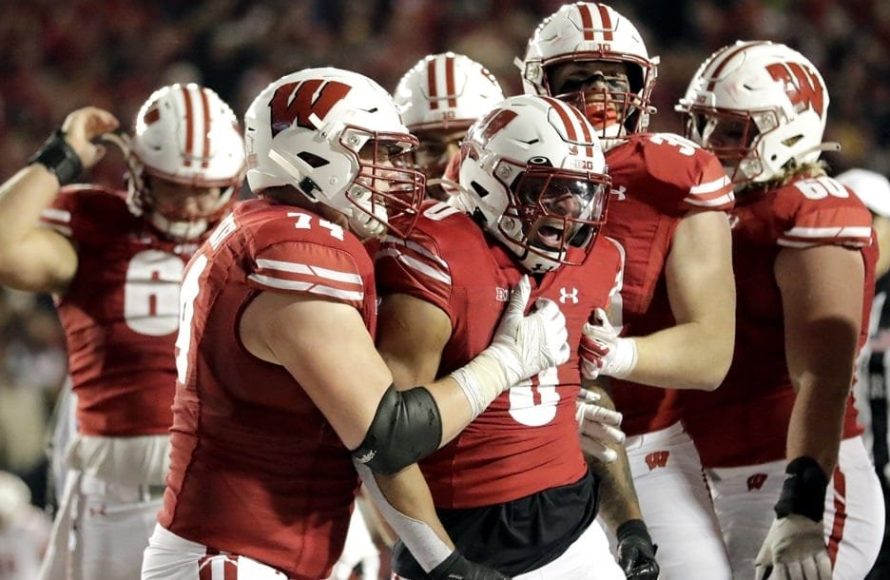
NCAA football games typically last around 3 to 3.5 hours.
Ever found yourself wondering how long do NCAA football games last? It’s a common question for fans and newcomers alike. These games, with their exciting plays and strategic timeouts, can feel like they take forever.
But exactly how long are we talking? The duration usually spans between three and three and a half hours, though this can fluctuate due to various factors like overtime and injuries.

How Long Do NCAA Football Games Last?
Ever sat down to watch an exciting college football game and wondered, “How long is this going to take?” You’re not alone! It’s a question that pops into many minds, whether you’re a die-hard fan or just tuning in casually. The answer, like many things in life, isn’t a simple number. It depends on a few different things, and we’re here to break it all down for you so you know what to expect.
The Basics: Standard Game Time
Let’s start with the official clock. In NCAA football, a standard game is made up of four quarters, each lasting 15 minutes. So, if you only counted the time the clock is actually running, a game would be 60 minutes long. Easy peasy, right? Well, not quite! There are many situations during a game that cause the clock to stop. This means that actual time from kick off to the final whistle is much longer than 60 minutes. This is a fundamental aspect of understanding the total length of a college football game.
Clock Stoppages: Where the Time Goes
Okay, so we know a game is supposed to have 60 minutes of playing time. But what makes games actually last much longer? The answer: clock stoppages. Think of it like this – the game clock is like a car engine. It runs smoothly until something happens and you have to stop. Here are the most common reasons why the clock stops during a college football game:
- Incomplete Passes: When a pass is thrown and no one catches it, the clock stops until the next play begins.
- Out-of-Bounds Plays: If a player carrying the ball runs out of the field, the clock stops.
- Penalties: When a team does something against the rules, the clock stops while the penalty is marked.
- Timeouts: Each team gets a certain number of timeouts they can use to stop the clock.
- Change of Possession: When the ball switches from one team to the other, the clock stops momentarily.
- Injuries: If a player is hurt, the clock stops while they receive care.
- Quarter Endings: The clock stops at the end of each quarter, allowing teams to switch sides of the field and make adjustments.
- Scoring Plays: After a touchdown or a field goal, the clock is stopped.
All these stoppages really add up! They can easily double or even triple the amount of real time it takes to play a game.
Average Game Length: What to Expect
So, now you know that game time isn’t the same as real time. But what’s the typical total length of a college football game? While it can vary, you can expect that the average NCAA football game will last for approximately 3 to 3.5 hours. Remember, this is just an average and there are always exceptions. Games with lots of scoring or many penalties tend to take longer. Games that are one-sided, where one team is dominant, might wrap up a bit faster, but there is no guarantee.
Factors That Influence Game Length
As we’ve hinted, several things can impact how long a game actually lasts. Here are some important factors that can either lengthen or shorten a game:
Number of Scoring Plays
When teams score often, whether it’s touchdowns or field goals, it stops the clock. More scores usually mean a longer game. Think of it as every time someone scores, the clock takes a little breather. If a game is a high-scoring shootout, expect the clock to be stopped much more often. The more scores, the longer the game will probably be.
Penalties
Penalties also contribute to stopping the clock. Every penalty means the officials have to stop the game and then explain the call, so you could see a lot of time getting added when there are lots of penalties. Sometimes, penalties can also lead to longer drives, which means more chances for the clock to stop again. If a team is penalized frequently, the game will tend to be longer.
Close Games vs Blowouts
Close games, where teams are constantly trying to score, tend to last longer. The back-and-forth action, the tension, and all of the clock stoppages add up. In contrast, a game where one team is way ahead may feel like it wraps up faster. If one team has a large lead, sometimes the losing team may not call timeouts, or use up as much time on the play clock, in an attempt to get the game over sooner.
Overtime
Sometimes, a game is tied at the end of regulation time. Then, the game goes into overtime. Overtime rules vary based on division, but it typically involves each team getting a chance to score from a short distance from the endzone. Overtime adds extra time to the game and can be very exciting. Depending on how many overtime periods are required, it could add as little as 15 minutes to the total game time, but could add an hour or more if multiple overtime periods are needed.
Television Broadcasts
Television is very important to college football. Often the television networks have a large influence on the total game time. Networks want to show as many commercials as possible, and the time for these commercials can add to the overall time. The broadcast also includes replays, pre-game coverage, and post-game analysis, all of which adds time to your total viewing experience.
A Closer Look at the Game Clock
To really understand why college football games take as long as they do, let’s dig a little deeper into how the clock works. The clock is stopped for several reasons, including the reasons we covered before. But, there are also some specific situations that are worth exploring:
The Play Clock
You know the big game clock that everyone watches? Well, there’s also a smaller clock called the “play clock.” After every play, the play clock counts down from 40 seconds (or 25 seconds after a timeout, penalty, or change of possession) and each team has to start the next play before the play clock hits zero. If they don’t, they get a delay of game penalty. This helps to keep the game moving at a decent pace, but can also lead to stoppages if the team runs out of time before they start their play. The play clock also stops the game clock when there is a penalty or some other reason to stop play.
Two-Minute Warning
In each half, there is an automatic clock stoppage when the game clock reaches two minutes. This gives each team the opportunity to strategize and plan for the final moments of the half. After the two-minute warning, there are typically more clock stoppages as the teams try to score.
Clock Management
Coaches use different clock strategies to try to control the pace of the game. A team that is losing may try to use timeouts or hurry their plays, while a team with a lead may try to take more time on the play clock, or to run the ball more often. This clock strategy is a big part of why some college football games seem to go faster than others. For example, if a team is trying to come from behind, they might try to get as many plays as possible, which stops the clock often. A team that is trying to protect a lead might keep the ball on the ground and keep the clock running.
Comparing to Other Sports
It’s interesting to think about how college football game length compares to other sports. For example, an NFL game can take slightly longer, usually 3 to 3.5 hours or a little more, because there are even more stoppages due to reviews, TV breaks and timeouts, but they have very similar game lengths. But, you’ll likely see more action in a shorter period of time in a basketball game, where there is much less standing around in between plays. Let’s take a look at some comparisons:
Basketball
College basketball games are typically much shorter than football games. A standard game is 40 minutes long, divided into two 20-minute halves. The actual time with stoppages is usually around 2 to 2.5 hours. This difference in time is because the flow of basketball is much faster than football, and there are fewer breaks in action.
Baseball
Baseball games are quite different, lasting about 2.5 to 3 hours on average. The length of a baseball game is not determined by a game clock like in football and basketball, but by the number of innings played. There are many more stoppages in baseball, and some games can go longer if the game is closely fought, or if there is a rain delay. However, it rarely goes beyond 3.5 hours.
Soccer
A regulation soccer game lasts for 90 minutes, divided into two 45-minute halves. There is a small amount of added time due to stoppages and injuries. But, the average total game time is about 1.75 to 2 hours. Soccer is a continuous game where the clock rarely stops.
Why the Length Matters to Fans
Understanding game length helps fans plan their day, especially if they are attending a game in person. It helps them figure out when to leave for the stadium, when to eat, and when they’ll be home. Knowing how long a game will last can also help people plan watch parties or figure out if they have enough time to watch the entire game. Whether you’re a diehard fan, or just enjoy watching a game on occasion, you’ll want to keep these time frames in mind.
Tips for Managing Your Time as a Fan
Since college football games can be quite long, here are some tips to help you get through the game and enjoy it even more:
- Plan ahead: Look at game schedules and plan for the possibility that games may take longer than expected.
- Take breaks: If you’re watching a game at home, get up and move around during stoppages.
- Hydrate and eat: Bring snacks and drinks, especially if you are going to a stadium.
- Be patient: There are some things about the game that you can’t control. You will have more fun if you relax and enjoy the ride.
- Have fun: A football game is a great way to spend your time. Remember to relax and enjoy the game!
So, how long does an NCAA football game last? While the official playing time is 60 minutes, the actual time is typically much longer, usually between 3 and 3.5 hours. This is because of clock stoppages like incomplete passes, penalties, timeouts, and scoring plays. Understanding all these factors helps you know what to expect and makes watching the game even more enjoyable. So, grab your favorite snacks, get comfortable, and get ready to enjoy some college football!
YOUR FINAL CHANCE TO DO THIS! CONTENT SCHEDULE!
Final Thoughts
So, how long do ncaa football games last? They generally run for about three hours, including halftime. However, various factors like penalties, injuries, and timeouts can easily extend the game’s duration.
These stoppages can sometimes push the total playtime closer to three and a half or even four hours. Understanding that variable time is key to planning around college football game schedules.

