
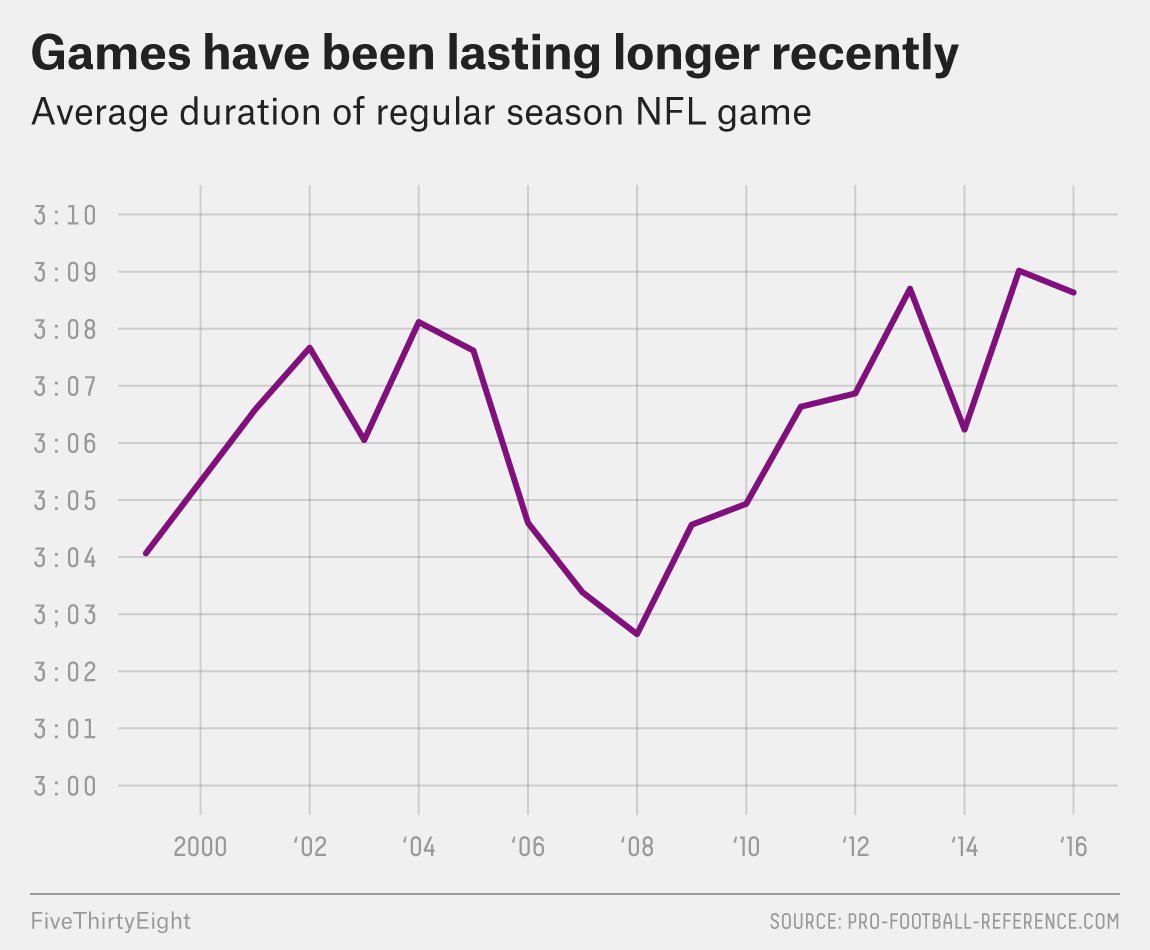
NFL games typically last around three hours, but this can vary slightly due to stoppages, overtime, and TV timeouts.
Ever wondered how long a Sunday afternoon commitment really is? We all love the excitement of a good football game, but knowing how long it will actually take can be helpful. Thinking ahead when you are planning your weekend is smart.
So, you have been asking, “how long do NFL games take?” and that’s a very reasonable question. Figuring out your time commitments beforehand lets you enjoy the game completely. It helps you to make plans for afterward too.

How Long Do NFL Games Take?
Ever wondered how much time you need to set aside to watch a full National Football League (NFL) game? It’s a question many fans have, whether they’re planning a Sunday get-together, heading to the stadium, or just settling in on the couch. The answer isn’t always a simple one, as several factors can influence the total time it takes for a game to play out. Let’s dive into the details and break down what makes up the length of an NFL game.
The Standard Game Clock
At its core, an NFL game is divided into four quarters, each lasting 15 minutes. That gives us a total of 60 minutes of playing time. However, those 60 minutes are rarely played continuously. Like other sports, there are timeouts, plays that go out of bounds, penalties, changes in possession, and of course, halftime! All these things contribute to the overall duration of the game.
Quarter Length and the Stop Clock
While each quarter is scheduled for 15 minutes, the game clock doesn’t run constantly. The clock will stop for various reasons such as:
- A play goes out of bounds
- An incomplete pass
- A penalty
- A timeout
- A change of possession
These stoppages help to make sure the game is played fairly and allows teams to strategize. The stopping clock significantly adds to the actual time a game takes beyond the scheduled 60 minutes.
The Two-Minute Warning
One significant point where the game clock will stop is the “Two-Minute Warning.” This occurs automatically at the two-minute mark of the second and fourth quarters. It provides a break in the action and gives teams a moment to plan their next steps in crucial parts of the game.
Halftime Break
After the second quarter ends, there’s a break known as halftime. This is a longer break, officially 12 minutes, and is time for players to rest, coaches to adjust their game plans, and sometimes for a bit of entertainment for the fans in attendance. During broadcasts, halftime is also used for commercials and analysis.
Factors Extending Game Time
While the scheduled playing time is 60 minutes plus halftime, the actual duration of an NFL game is often much longer. Several factors contribute to this:
Timeouts
Each team has three timeouts per half (six total), which they can use to stop the clock, rest, or discuss strategy. These timeouts can vary in length, adding more time to the game.
Penalties
When a player commits a penalty (like holding or pass interference), the referee will stop the game to announce the infraction and possibly move the ball. These penalties and their administration also add to the game’s length.
Commercial Breaks
Television broadcasts insert commercial breaks, and these are some of the most impactful parts of the game time extension. These breaks are placed at the end of quarters, after scores, during timeouts, and other stoppages. Their length can sometimes vary.
Injuries
If a player gets injured, the game will pause so they can receive medical attention. The amount of time it takes to assess a player’s condition can vary, adding an element of unpredictability to game length. Some injuries will just result in a short break while others may require an ambulance and a long stoppage in game play.
Instant Replay
In the modern NFL, instant replay is very common. If there is doubt about the ruling on the field, officials will review a play on video. This replay review process can add some extra time on the clock as they look at different camera angles, decide on the correct call, and communicate the updated decision.
Overtime
Sometimes, the game ends in a tie after the fourth quarter. In this situation, the game goes into overtime. In the NFL, overtime rules have been adjusted over the years, leading to one of two potential outcomes. Currently, if the first team with the ball scores a touchdown, they will win. If they score a field goal, the other team gets a chance with the ball. The amount of time it takes for overtime to finish varies, depending on how long it takes each team to score.
Average Game Length
Taking into consideration all these factors, the average NFL game lasts approximately three hours and 12 minutes. However, it is important to remember that this is just an average. Some games can be shorter, and some can be significantly longer, depending on how many stoppages occur. A game with many penalty flags, injuries, or an overtime period can easily exceed three and a half hours.
How Specific Situations Impact Game Time
Let’s look at a few specific situations and how they can impact game time:
High-Scoring Games
Games with lots of scores tend to have more breaks, due to extra points and kickoffs. This can add a bit more time to the total length of a game.
Defensive Battles
Games where the defense dominates and scores are infrequent tend to move quicker. Fewer scoring drives, and less need for instant replay reviews will help to shorten the game.
Games with Many Penalties
An excessive number of penalties can lead to a much longer game. Because play stops while officials discuss each penalty, these stoppages can really add up.
Close Games
Games that are close in score, especially toward the end, often lead to more strategic timeouts and more clock management, which makes the game last longer.
Games with a Lot of Injuries
Any game with several injury stoppages or lengthy medical breaks will also take more time to complete.
The Impact of Broadcasts
The nature of live television broadcasts significantly affects how long games take. Networks have their own needs, such as commercial breaks, pre-game shows, and post-game analysis. These broadcasting elements are part of the total time commitment needed to watch a football game, not just the playing time. Some games are prime time games, and others are played at 1 PM on Sunday. The broadcast window will be significantly longer than just the game itself. Let’s consider a typical broadcast schedule for the 1 PM games on Sundays:
- Pre-game analysis might start an hour or so before the scheduled kickoff.
- Game play usually starts 1-10 minutes after the kickoff time.
- Halftime will take an additional 12 minutes.
- Commercial breaks will typically make up 15-20% of the game’s total airtime.
- Post-game analysis could take another 15-30 minutes.
All of this adds up, and it’s helpful to know when you are going to sit down to watch a game. While the game itself might only be three hours, your total investment will usually be more, depending on your personal habits or if you choose to view a program before or after the game.
Planning Your Viewing Schedule
Now that you know all the elements that add to game time, you can better plan for watching. If you’re heading to a stadium, expect a commitment of about four hours to allow time for parking and entry. If you are going to watch at home, it’s wise to give yourself a solid three and a half hours to be sure you see most of the game.
How Long Do NFL Games Take? – A Quick Reference Table
Here is a simple table summing up typical times involved in a NFL game:
| Item | Typical Time |
|---|---|
| Scheduled Game Time | 60 minutes |
| Halftime | 12 minutes |
| Average Commercials and Stoppages | About 1 hour |
| Typical Total Game Length | Approximately 3 hours and 12 minutes |
| Potential Length with Overtime, Injuries, etc | 3.5 hours or more |
Knowing the typical durations can help you plan your day better, so you don’t have to leave in the middle of a crucial fourth-quarter play!
So, next time you settle in to watch your favorite team, you’ll have a better idea of just how long the game will take. Now you know why that casual Sunday afternoon of football can easily eat up your whole day!
A Beginner's Guide to American Football | NFL UK
Final Thoughts
NFL games typically last around three hours. However, numerous factors like timeouts, penalties, and injuries can extend the game. The actual playing time is roughly one hour, with the rest dedicated to breaks and stoppages. Understanding this helps when planning your Sunday viewing.
Considering all the variables, you can now estimate how long do nfl games take, but prepare for potential variations. The average duration of around three hours should be a good guide. So you can relax knowing roughly how much time a game will consume.

