
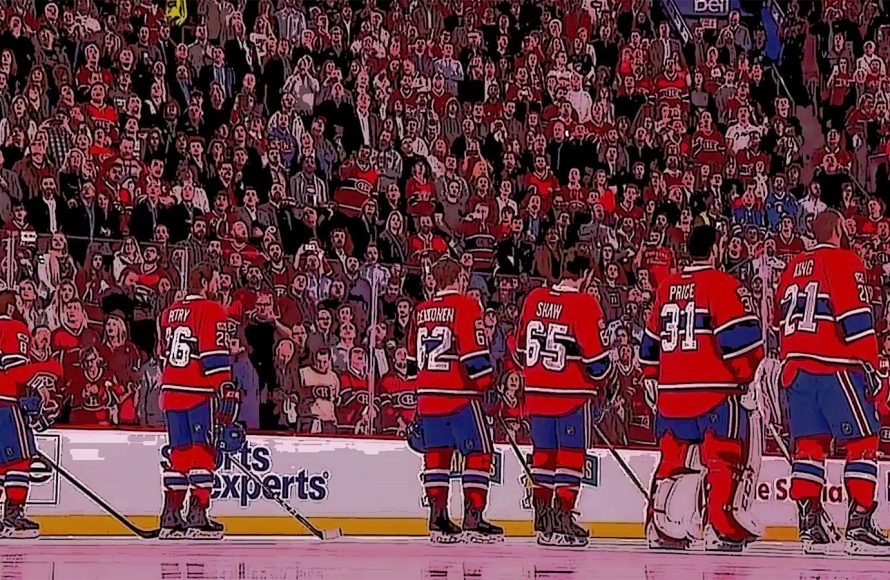
An NHL game typically lasts around 2.5 to 3 hours, including intermissions.
Ever found yourself wondering, how long do NHL games last? It’s a common question for both new fans and seasoned hockey enthusiasts alike. The time commitment can vary slightly, but generally, you should plan for a good chunk of the evening.
Most games clock in around two and a half to three hours. This duration includes the three 20-minute periods of gameplay and the two intermissions in between. So, while the on-ice action seems non-stop, there are breaks built-in.

How Long Do NHL Games Last?
So, you’re curious about how long an NHL game takes? That’s a great question! It’s not as simple as saying “exactly this many minutes,” because there are a few things that can change the total time. But don’t worry, we’re going to break it all down for you so you know what to expect. Let’s get into the specifics of a hockey game’s duration.
The Basic Structure of an NHL Game
First, let’s look at the main parts of a hockey game. An NHL game is split into three main periods, each one lasting 20 minutes. It sounds short, right? But these 20 minutes are filled with fast-paced action and can take longer in real time than you might think. These periods are called regulation time.
What Happens Between Periods?
Between each of the three 20-minute periods, there’s an intermission. These are breaks, usually around 15 to 18 minutes, where the players get to rest, talk strategy with their coaches, and hydrate, while the ice crew cleans the rink. So, even though the game has just 60 minutes of actual playing time, these intermissions add to the total length of the game.
Calculating the Average Game Length
When you put together the three 20-minute periods (that’s 60 minutes of playing time) and the two intermissions (let’s say they average 17 minutes each, which makes 34 minutes), the average NHL game, under normal conditions, takes around 2 hours and 45 minutes to 3 hours.
Why Isn’t It Exactly 3 Hours Every Time?
This average time is just a rough estimate, because a lot of factors can influence a game’s length. Sometimes it takes longer, and sometimes it’s a bit shorter. Here’s what can cause that fluctuation:
Penalties and Power Plays
Penalties in hockey mean that one team has to play with fewer players, giving their opponent a power play. When a penalty is called, the clock stops. This stopping and starting can significantly impact a game’s duration. More penalties will mean a longer game. There are also stoppages after penalties to confirm the call. Power plays usually have a lot of action, keeping things interesting. Also if multiple penalties happens at same time, this will extend the time for the game.
TV Timeouts
NHL games are often broadcast on television. There are scheduled television timeouts throughout the game. These breaks are not usually counted in the intermission times, so they add even more to the overall time. These breaks allow for commercials and can sometimes be longer than the usual stoppages of play. During the timeout, the players usually go to the bench and strategize. Sometimes, the coaches call a timeout to have a discussion with players.
Injuries and On-Ice Stoppages
If a player is injured, play stops so medical staff can assess them. Depending on the injury, the on-ice stoppage may take a few minutes, or it may take a lot more time if the player needs more attention, so time will be added to the game clock. When there are other kinds of on ice stoppages, for example, if the net comes off the moorings, or equipment malfunctions, play will be paused. Stoppages add to the total time of the game.
Video Reviews
Sometimes, officials need to check a replay of a play using video technology. These reviews take some time and can significantly lengthen a game, if there are a few video reviews. Usually, these are used for possible goals, or high sticking, or any other controversial play.
Overtime
If a game is tied at the end of the third period, it goes to overtime. In the regular season, the overtime period is five minutes long and uses a “sudden death” format, where the first team to score wins the game. If no one scores in that period then the game goes to a shootout. In playoffs, the overtime period is 20 minutes long, and they keep playing the 20 minute overtime period until someone scores a goal. This can go on for a few overtime periods. Overtime, especially in playoff games, can make the game much longer than average.
A Look at Game Length Using Real Data
While we’ve talked about typical game length, it’s helpful to look at real-world data. Here’s a general idea of how long games can take.
- Typical game (with no overtime): 2 hours 30 minutes to 3 hours
- Games with a few penalties and stoppages: 2 hours 45 minutes to 3 hours 15 minutes
- Games with many penalties, injuries, reviews, or OT: 3 hours 15 minutes to 3 hours 45 minutes or longer
Playoff Games and Their Duration
Playoff games tend to last longer than regular season games. Playoff games are intense, and there is often a greater chance for increased penalties, on-ice stoppages, and, more importantly, overtime. Here’s what makes them different:
- Longer Overtime: In the playoffs, overtime periods are full 20-minute periods played until a goal is scored. This “sudden death” format can mean the game goes on for many overtime periods and can add significant amount of time.
- More Intensity: Playoff games have a higher intensity level, which can lead to more physical play and penalties.
Because of these factors, a playoff game can easily exceed 3 hours, often reaching closer to 3 and half hours or more.
Game Pace and Length
The pace of the game also plays a role in how long it lasts. A fast-paced game, filled with end-to-end action, will likely have more stoppages. More goals can create more stoppages for replays and goal celebrations. So, sometimes, a more exciting, high-scoring game can actually take longer than a slow, low-scoring game. It may seem odd that faster games are actually longer, but this is one of many factors that affect the game length.
Understanding the Impact of Stoppages
So we keep mentioning ‘stoppages’ what is meant by that? In hockey, ‘stoppage’ refers to any situation where play is stopped. Several different factors can cause a stoppage. A stoppage pauses the game clock. Here are some specific types of stoppages that influence game length:
Types of Stoppages
- Icing: When a player shoots the puck from behind their own side of the center red line all the way to the other side of the goal line without being touched by another player, this is called icing and the game stops.
- Offsides: If a player enters the offensive zone before the puck, it’s called offsides and the play is stopped.
- Puck out of play: If the puck goes over the boards and into the stands or if a player’s stick is too high while contacting the puck, it will cause a stoppage of play.
- Referee Stoppage: At times the referee stops the play because of reasons not listed here for example the puck is stuck under a player.
Each of these stoppages will make the game longer than the actual playing time. These moments can add a lot of time to a game. Each stop makes the clock pause, which then slows down the overall game time and adds to the total duration of the game. If there are a lot of stoppages, a game can last a lot longer.
The Impact of Strategy on Stoppages
Coaches and players also use stoppages as part of their strategy. Sometimes, a team might deliberately “ice” the puck (shooting the puck all the way down the other side of the rink) to stop play to rest their players or disrupt the momentum of the opposing team. These are tactical uses of stoppages that can make a game a little longer than what you might expect.
A Quick Recap: What Affects Game Length?
To recap, a few key things impact the overall length of an NHL game:
- Regulation time: Three 20-minute periods of actual playing time.
- Intermissions: Two breaks between periods, usually about 15-18 minutes each.
- Penalties: Stoppages for penalties and power play situations.
- TV timeouts: Scheduled breaks for commercials during broadcasts.
- Injuries and on-ice stoppages: Pauses in play due to player injuries or other issues on the ice.
- Video reviews: Referees checking replays using video technology.
- Overtime: Extra periods played if the score is tied at the end of the third period.
- Game pace: A high-pace game with more action will likely result in more stoppages.
- Types of Stoppages: Icing, Offsides, Puck out of play, etc.
Understanding these factors helps you grasp why an NHL game might not always be the exact same length.
Why Knowing Game Length Matters
Knowing about the typical and potential lengths of NHL games can be beneficial for many reasons:
- Planning: Whether you’re watching at home or attending a game, knowing how long it might last helps you plan your schedule.
- Understanding the flow: Knowing why games can sometimes take longer than usual can help you better understand the game’s flow and what’s happening.
- For Parents: If you are bringing children to games, it is helpful to know how long the game is to plan accordingly.
- Fantasy Hockey: If you are into playing fantasy hockey, you need to know how many minutes the player is likely to play.
Being aware of the nuances of an NHL game’s duration will give you a better appreciation and understanding of the sport and a better overall experience.
So, the next time you settle in to watch an NHL game, you’ll have a better sense of what to expect regarding how long it will take. It’s more than just 60 minutes of hockey; it’s an experience that’s filled with dynamic elements that make each game unique.
NHL Highlights | Maple Leafs vs. Flyers | January 07, 2025
Final Thoughts
Therefore, a typical NHL game lasts about 2.5 to 3 hours. This includes the three 20-minute periods, intermissions, and potential overtime. Knowing this timeframe helps fans plan their evenings.
Factors like penalties, stoppages in play, and of course, overtime, can influence the total length. The question “how long do nhl games last” is common. The answer depends on game specifics.
Essentially, anticipate at least two and a half hours for any NHL match. Overtime can significantly extend it. Keep that in mind when making plans to watch a match.

