
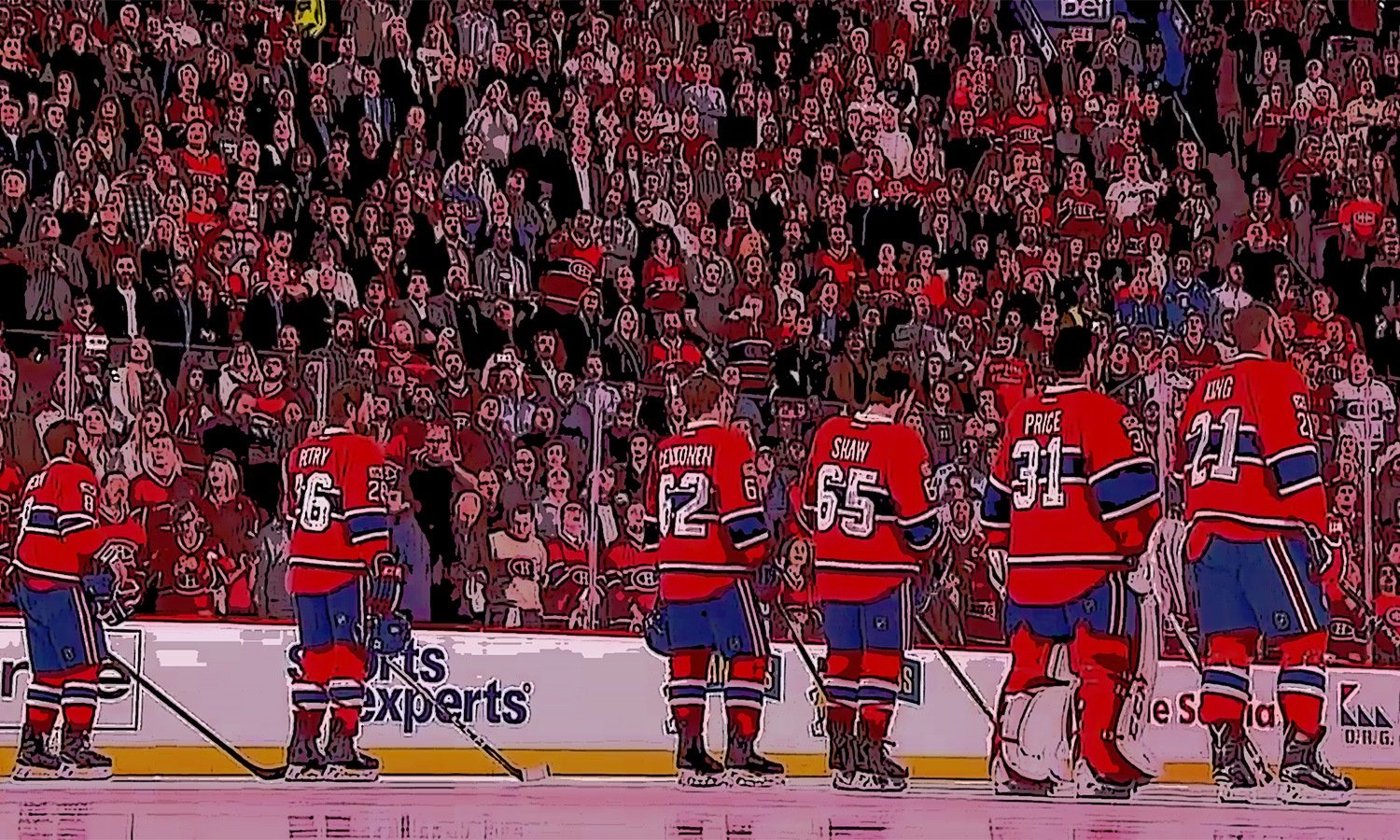
NHL games typically last around 2.5 to 3 hours, including intermissions.
Ever wondered about the time commitment involved in catching a live hockey game? It’s a common question for both seasoned fans and newcomers: how long do NHL games take?
Games aren’t just the 60 minutes of on-ice action. You also need to factor in the breaks between periods. These intermissions are crucial for players to rest and strategies to be adjusted.

How Long Do NHL Games Take?
Okay, so you’re wondering how long you should set aside to watch a hockey game, right? It’s a fair question! NHL games aren’t like clockwork – they’re not exactly like your favorite TV show that starts and ends at the same time every week. There are a bunch of things that can affect how long a game lasts. Let’s break it all down so you know what to expect when you settle in to watch some great hockey action.
The Basic Time Structure of an NHL Game
At its heart, an NHL game is divided into three 20-minute periods. Seems simple enough, right? Well, there’s more to it than that. These periods are actual playing time, and the clock stops for things like penalties, icing (when a player shoots the puck from behind their own half of the ice all the way to the other team’s end without it being touched), and when the puck goes out of play. So, a “20-minute period” can actually take more than 20 minutes in real time.
Intermission Breaks
Between each of those 20-minute periods, there are intermissions. These are the breaks where players go back to the locker room to rest, coaches talk strategies, and fans get to stretch their legs, get some snacks, or use the restroom. The first and second intermissions are usually 17 minutes long, making them significant contributors to the overall game time. So while the clock isn’t running, this time adds to the total duration of a game. These breaks allow players to regroup and get ready for the next period of fast paced action. It’s not just rest, sometimes it’s where big adjustments are made.
Factors That Extend Game Time
Now we get into the parts that can really change how long an NHL game takes. There are several things that can add to the total clock time.
Penalties and Power Plays
Penalties are a big part of hockey. When a player breaks a rule, they go to the penalty box for a set amount of time (usually two or four minutes, or even five for major penalties). During a penalty, the other team has a “power play,” which means they have an extra player on the ice. A power play stops when the penalty time is up or when the other team scores a goal. The clock stops during the penalty and resumes when game play continues. All this adds extra time to the period.
Let’s say there are several penalties in a period, especially if they occur often or are major penalties (like a fight or a very dangerous play). All that stoppage of time adds up. These delays are one of the main reasons why a game’s time can fluctuate so much. If you have a game that’s penalty heavy, you can expect a noticeably longer game length.
Icing
As we mentioned before, icing happens when a player shoots the puck all the way down the ice from behind their own center red line to the opposing team’s goal line, without it being touched by another player. When this happens, play stops, and a face-off takes place in the offending team’s defensive zone. While icing itself does not add a lot of time to the game, it’s one of many small interruptions in gameplay that, when added up, will extend the game’s length.
Video Reviews
In today’s NHL, video reviews play a big role. If there’s a question about whether a goal was scored, whether a puck was kicked in, or if a high-sticking infraction occurred, the referees might use video review. Sometimes, it’s a quick check, but sometimes, it requires more time. The referees will watch the replay on a monitor, and it can take a few minutes to get the correct call. All the time spent reviewing adds to the length of the game. These reviews are critical to ensure fair play.
Injuries and Stoppages in Play
Player safety is very important in the NHL. If there is an injury on the ice, play will immediately stop, and medical staff will help the player. If the injury is serious, the stoppage may last a bit longer. The medical staff needs to ensure player safety before the game can continue. All of these pauses add up. Then, if equipment breaks or the glass surrounding the rink needs repair, play will be stopped as well to fix any issues. These things can be unexpected but will factor into the game’s overall time.
Overtime
If the game is tied after all three periods, the teams go into overtime. Overtime in the regular season is five minutes long, and it’s sudden death, meaning the first team to score wins. The clock stops and starts just like during normal play, so the actual overtime period can last more than five minutes. If nobody scores in the five minute overtime, the game will go into a shootout. If a team scores, the game is immediately over, this will vary game time too.
In the NHL playoffs, the overtime period is different than in the regular season. In the playoffs, overtime periods are a full 20 minutes. The teams will play until someone scores. This means playoff games can sometimes run very long if there are multiple overtimes. It is not uncommon to watch a game go into a second or even third overtime period. So, when you watch a playoff game, prepare to sit for a longer period of time, as there is no telling how long the game might go.
Shootouts
If the score is still tied after overtime in a regular season game, the game goes to a shootout. Each team picks three players who will take a shot against the opposing team’s goalie. If the score is still tied after three rounds, the shootout continues with different players until a winner is determined. All this extra time spent in the shootout adds to the total game time, and there is no way to predict how long it will take.
Average Total Time
So, taking all of these different factors into account, the average time for an NHL game is generally between 2 hours and 20 minutes and 2 hours and 45 minutes. While the total playing time is 60 minutes (three 20-minute periods), the intermissions, penalties, reviews, and other game stoppages will always make the game longer than that. This is just an average, some games can go much longer. But on the whole, you can expect to spend about two and a half hours watching a hockey game.
How This Affects Your Viewing
Understanding the time commitment for an NHL game is important. If you are watching at home, plan on setting aside between 2.5 to 3 hours to be safe. If you are going to watch a game in person at the arena, remember to factor in time for parking, security checks, and getting to your seats before puck drop. You might also need to wait a bit after the game before leaving, especially if there is a large crowd. For these reasons, going to a live game might require you to plan for 4 hours or more.
NHL Game Time Summary
Let’s put all of this information into a simplified breakdown:
- Regular Game Length: 60 minutes of playing time (3 periods x 20 minutes)
- Intermission Length: Two 17 minute intermissions
- Average Total Game Time: 2 hours and 20 minutes to 2 hours and 45 minutes
- Factors That can increase game time:
- Penalties
- Icing
- Video reviews
- Injuries
- Overtime
- Shootouts
- Equipment Malfunctions
Game time in Different Situations
Game times can vary based on whether it’s a regular season or playoff game. In the regular season, there are regular 5 minute overtime periods and shootouts that can make the game a bit longer. But when we discuss playoff hockey, we can sometimes have a completely different set of factors to look at. In the NHL playoffs, the overtime periods are full 20 minute periods. This results in much longer games and the possibility of multiple overtime periods that could last hours, and greatly extend the total length of the game.
Games can also vary based on the teams that are playing in the match up. Some teams are known to have more penalty-heavy play styles, which often lead to more penalties and longer game times. While some other teams are known to play a cleaner style that could potentially result in slightly shorter game times.
Tips For Following NHL Game Timing
If you want to make sure that you are prepared for game times, here are some simple tips:
- Check game times on team schedules and reputable sports websites
- Subscribe to game time alerts or reminders through NHL apps
- Look at the injury reports to see who may not be playing
- Check for any news of special events that may delay game times
- Set aside a bit more time than what the game is scheduled for
By taking these simple steps, you can be prepared for most game time scenarios and be ready to enjoy the game.
So there you have it! NHL games aren’t just a straight 60 minutes; it’s all the other pieces that add to the fun, excitement, and also the total time. Next time you watch a game, you’ll have a better idea of what to expect in terms of timing. Now go enjoy some hockey!
How Do Crews Prepare Ice For NHL Games?
Final Thoughts
In summary, the typical NHL game lasts about 2.5 to 3 hours, including intermissions. These breaks, along with potential overtime, influence the overall game duration. Understanding these time factors help plan your viewing.
Knowing how long do nhl games take is important for scheduling. Overtime can considerably extend a game. So, the average duration is a helpful benchmark.

